
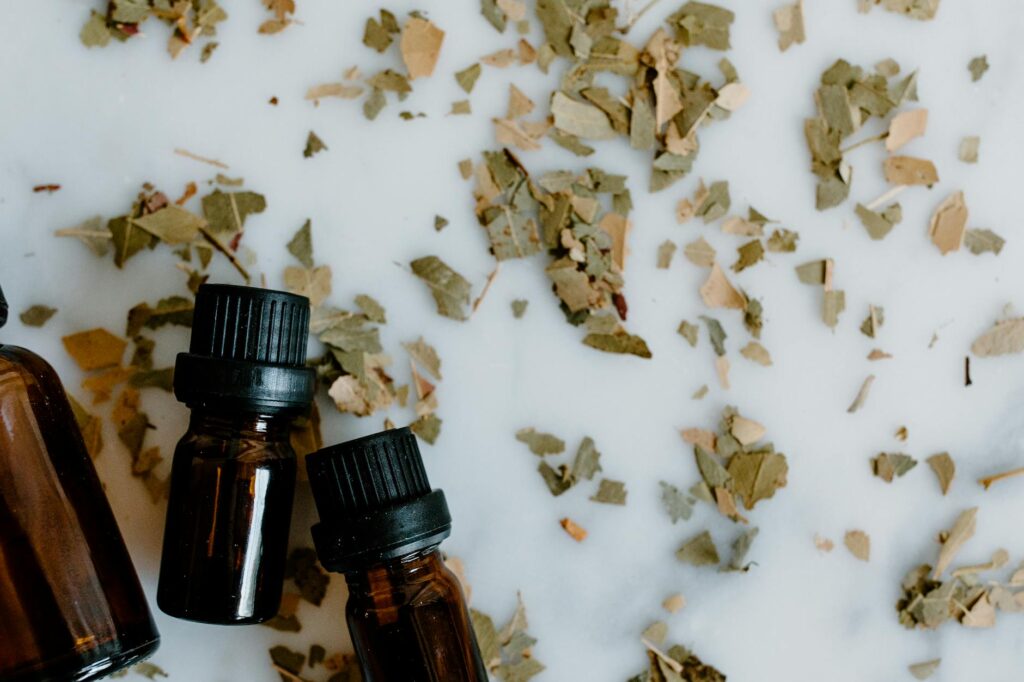
Benefits of Aromatherapy for Seasonal Change Support Blends
Introduction
Aromatherapy, an age-old practice involving the use of essential oils derived from plants, is gaining renewed interest as people increasingly seek natural remedies to support their well-being. As the seasons change, our bodies and minds often experience shifts that can cause discomfort or discontent. Seasonal change support blends in aromatherapy aim to harmonize these transitions, promoting balance and comfort during fluctuating times of the year. This article explores the essence of aromatherapy for seasonal change support, highlighting its benefits, applications, and safety considerations.
What Is Aromatherapy for Seasonal Change Support Blends?
Aromatherapy for seasonal change support blends involves the strategic combination of essential oils to create synergistic effects that help individuals navigate the emotional and physical changes that accompany seasonal shifts. Each season brings unique challenges: spring may herald allergies, summer can induce fatigue, autumn often leads to somber moods, and winter brings dryness and a tendency toward isolation. By utilizing specific essential oils known for their properties, aromatherapy can assist in easing these seasonal discomforts.
Essential oils are concentrated extracts obtained from various parts of plants, such as leaves, flowers, bark, and roots. Each oil possesses distinct aromatic profiles and therapeutic properties, making them suitable for particular seasonal challenges. When blended thoughtfully, these oils can create potent remedies that support emotional and physical well-being.
Key Benefits and Properties
Emotional Well-being
1. Mood Enhancement: Certain essential oils, such as citrus oils like orange and lemon, are known for their uplifting properties, helping to combat seasonal affective disorder (SAD) and improve overall mood.
2. Stress Relief: Oils like lavender and chamomile are renowned for their calming effects, making them beneficial for individuals who may feel anxious or overwhelmed during transitions, such as the onset of winter.
Physical Support
1. Respiratory Health: Eucalyptus and peppermint oils can provide support during allergy season or when respiratory discomfort arises, promoting clearer breathing.
2. Immune Support: Essential oils such as tea tree and oregano possess antimicrobial properties that may bolster the immune system during seasonal changes, particularly during cold and flu seasons.
3. Skin Care: As seasons change, skin can become dry or irritated. Oils like frankincense and geranium are known for their hydrating and soothing properties.
Sensory Experience
1. Grounding and Centering: Woodsy oils like cedarwood and sandalwood can help ground the mind and body during times of uncertainty that often accompany seasonal changes.
2. Invigoration: Fresh, herbaceous oils like rosemary and basil can invigorate the senses, helping to combat sluggishness that may occur during long winter months.
Common Uses
Seasonal change support blends can be utilized in various ways to provide benefits throughout the year:
1. Diffusion: Adding a few drops of essential oils to a diffuser allows the aroma to fill a space, creating a calming or invigorating environment.
2. Topical Application: Diluted essential oils can be applied to pulse points or areas of concern on the body. This method allows for direct absorption and localized effect.
3. Baths: Adding essential oils to a warm bath can create a soothing experience, promoting relaxation and alleviating physical tension.
4. Inhalation: Directly inhaling the scent of essential oils from the bottle or a cotton ball can provide immediate emotional support.
5. Household Products: Essential oils can be incorporated into cleaning products or personal care items, allowing their properties to benefit daily routines.
Aromatherapy Applications
Creating seasonal change support blends involves selecting essential oils based on their properties and intended effects. Below are examples of blends that can be beneficial during specific seasonal transitions.
Spring Blend: Allergy Relief
- Ingredients: Lavender, Lemon, Peppermint
- Benefits: This blend can help alleviate seasonal allergy symptoms while uplifting mood and providing respiratory support.
- Ingredients: Grapefruit, Rosemary, Eucalyptus
- Benefits: This invigorating blend is designed to enhance energy and mental clarity during the heat and busyness of summer.
- Ingredients: Cinnamon, Clove, Orange
- Benefits: A warming and comforting blend that can help ease the transition into cooler, darker days, enhancing feelings of coziness.
- Ingredients: Tea Tree, Frankincense, Oregano
- Benefits: This supportive blend aims to bolster the immune system and provide warmth during cold winter months.
Summer Blend: Energy Booster
Autumn Blend: Comfort and Warmth
Winter Blend: Immune Support
Safety Considerations
While essential oils offer numerous benefits, it is essential to use them safely:
1. Dilution: Always dilute essential oils with a carrier oil (such as jojoba or coconut oil) before applying them to the skin to prevent irritation. A common dilution ratio is 2-3 drops of essential oil per tablespoon of carrier oil.
2. Patch Test: Conduct a patch test on a small area of skin before widespread use to check for allergic reactions.
3. Consultation: Pregnant or nursing women, individuals with chronic health conditions, or those on medications should consult a qualified professional before using essential oils.
4. Children and Pets: Some essential oils are not safe for young children or pets. Always research and ensure the safety of specific oils in such cases.
Storage and Shelf Life
Proper storage of essential oils is crucial to maintain their potency and effectiveness:
1. Dark Glass Bottles: Store essential oils in dark glass bottles to protect them from light, which can degrade their quality.
2. Cool, Dry Place: Keep oils in a cool, dry place, away from direct sunlight and heat sources.
3. Shelf Life: Essential oils generally have a shelf life of 1 to 3 years, depending on the type of oil. Citrus oils tend to have a shorter shelf life, while oils like sandalwood and patchouli can last longer.
Frequently Asked Questions
Can anyone use essential oils?
While most people can safely use essential oils, certain individuals—such as pregnant women, nursing mothers, and those with specific health conditions—should exercise caution and consult a healthcare professional.
How do I choose the right essential oils for seasonal changes?
Selecting essential oils depends on individual preferences and the specific challenges associated with each season. Researching the properties of various oils and understanding personal needs can guide the selection process.
Are there any side effects associated with essential oils?
Potential side effects can include skin irritation, allergic reactions, or headaches. It is essential to use oils as directed, conduct patch tests, and consult a professional if uncertain.
How long does the aroma of essential oils last in a diffuser?
The duration of aroma in a diffuser can vary based on the type of diffuser and the amount of essential oil used. Generally, the scent can last from a few hours to a full day, depending on the diffusion method.
Can I create my own blends?
Absolutely! Experimenting with different essential oils to create personalized blends can be an enjoyable and therapeutic process. Just ensure to research the properties and compatibility of the oils you choose.
In conclusion, aromatherapy offers a natural, holistic approach to support emotional and physical well-being during seasonal transitions. By understanding the properties of essential oils and their applications, individuals can create effective seasonal change support blends that enhance their quality of life. As with any practice, personal preference and individual needs should guide usage, allowing each person to find their unique balance and harmony with the changing seasons.