
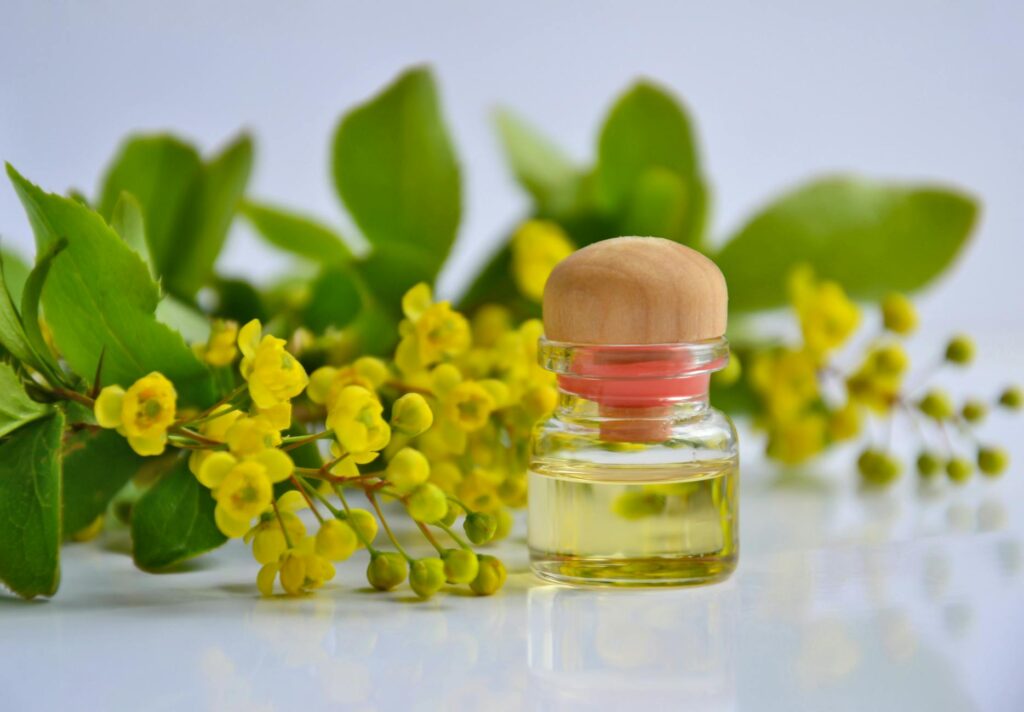
Benefits of Aromatherapy for Seasonal Mood Enhancement Blends
Introduction
As the seasons change, so do our moods, energy levels, and overall well-being. The transition from the warmth of summer to the crispness of autumn, or the bleakness of winter to the vibrancy of spring, can bring about various emotional and psychological challenges. Aromatherapy, the practice of using essential oils derived from plants for therapeutic benefits, offers a holistic approach to managing these seasonal shifts. This article explores the benefits of aromatherapy specifically tailored for seasonal mood enhancement, delving into its properties, common uses, applications, safety considerations, and more.
What Is Aromatherapy for Seasonal Mood Enhancement Blends?
Aromatherapy utilizes the fragrant properties of essential oils to improve mental, emotional, and physical well-being. Seasonal mood enhancement blends are specifically designed to address the emotional fluctuations commonly experienced during seasonal transitions. These blends incorporate various essential oils known for their uplifting, calming, or grounding effects. By inhaling these aromas or applying diluted oils to the skin, individuals can create a sensory experience that promotes emotional balance and overall well-being.
Key Benefits and Properties
Emotional Support
Essential oils have been shown to possess properties that can influence mood and emotional states. For example, citrus oils like bergamot and lemon are often associated with uplifting feelings, while floral oils such as lavender and chamomile can promote relaxation and calmness. The inhalation of these scents can trigger brain responses that help alleviate feelings of anxiety or sadness, making them particularly beneficial during seasonal changes.
Stress Reduction
Many essential oils are renowned for their stress-relieving properties. Oils like frankincense and ylang-ylang can help reduce cortisol levels, the hormone associated with stress. By incorporating these oils into seasonal blends, individuals can create a calming environment that fosters relaxation and tranquility.
Enhanced Focus and Clarity
Certain essential oils, such as peppermint and rosemary, are believed to enhance cognitive function and focus. During seasons when mental fatigue may set in, these oils can invigorate the mind and improve clarity, making it easier to tackle daily tasks.
Improved Sleep Quality
As the seasons change, sleep patterns can be disrupted. Essential oils like lavender and cedarwood are known for their sedative properties, helping to promote restful sleep. Incorporating these oils into nighttime blends can foster a more peaceful sleep environment, essential for emotional resilience during seasonal transitions.
Common Uses
Diffusion
One of the most popular methods of using essential oils for seasonal mood enhancement is through diffusion. By using an essential oil diffuser, individuals can disperse the aromatic compounds into the air, creating an uplifting or calming atmosphere. Blends can be tailored to specific needs, such as a refreshing citrus blend for energy or a soothing lavender blend for relaxation.
Topical Application
Topical application involves diluting essential oils with a carrier oil (such as jojoba or coconut oil) and applying them directly to the skin. This method allows for the absorption of the oils’ properties while also offering localized benefits. Common areas for application include pulse points, such as wrists and temples, where the scent can be easily inhaled.
Bath Soaks
Adding essential oils to bathwater can create a luxurious and therapeutic experience. A warm bath infused with mood-enhancing oils can promote relaxation and stress relief, making it an ideal practice during transitional seasons.
Inhalation
Simple inhalation of essential oils directly from the bottle or through a cotton ball can provide immediate benefits. This method is particularly useful for on-the-go relief during stressful situations or moments of emotional upheaval.
Aromatherapy Applications
Seasonal Blends
Creating seasonal mood enhancement blends can be a rewarding experience. Here are a few examples of blends tailored for specific seasons:
Spring Uplift Blend
- Ingredients: Lemon, bergamot, and sweet orange
- Properties: Uplifting and refreshing
- Application: Diffuse during the day to promote energy and positivity.
- Ingredients: Lavender, chamomile, and geranium
- Properties: Calming and soothing
- Application: Use in a nighttime bath to promote relaxation after a hot summer day.
- Ingredients: Frankincense, cedarwood, and clary sage
- Properties: Grounding and stabilizing
- Application: Apply topically to pulse points during times of stress or anxiety.
- Ingredients: Sweet orange, cinnamon, and ginger
- Properties: Warm and comforting
- Application: Diffuse to create a cozy atmosphere during cold winter months.
- Cool, Dark Place: Store essential oils away from direct sunlight, heat, and humidity, as these factors can degrade the oils.
- Tightly Sealed Containers: Use amber or cobalt glass bottles to protect oils from light. Ensure that the bottles are tightly sealed when not in use to prevent evaporation.
- Shelf Life: Most essential oils have a shelf life of 1 to 3 years, depending on the type. Citrus oils tend to have a shorter shelf life, while resin-based oils like frankincense can last longer.
Summer Calm Blend
Autumn Grounding Blend
Winter Comfort Blend
Safety Considerations
While aromatherapy is generally considered safe, it is essential to follow certain guidelines to ensure safe usage:
1. Dilution: Always dilute essential oils with a carrier oil before topical application to minimize the risk of skin irritation.
2. Patch Testing: Conduct a patch test on a small area of skin to check for any allergic reactions before using a new essential oil.
3. Pregnancy and Nursing: Consult with a qualified health professional before using essential oils during pregnancy or nursing, as some oils may not be safe.
4. Children and Pets: Exercise caution when using essential oils around children and pets, as some oils can be harmful to them.
5. Medical Conditions: Individuals with specific medical conditions should consult a healthcare provider before using essential oils, especially those with a history of respiratory issues, epilepsy, or other chronic health conditions.
Storage and Shelf Life
Proper storage of essential oils is crucial to maintaining their potency and effectiveness. Here are some tips for storage:
Frequently Asked Questions
How do I choose the right essential oils for my seasonal mood enhancement blend?
Choosing essential oils depends on your specific emotional needs. Research the properties of various oils and consider what you hope to achieve—whether it’s relaxation, energy, or focus.
Can I use essential oils in a diffuser while sleeping?
Yes, using a diffuser in your bedroom can create a calming atmosphere conducive to sleep. However, ensure that the diffuser is placed in a well-ventilated area and that you use oils known for their relaxing properties.
Are there any essential oils I should avoid?
Certain essential oils may cause skin irritation or allergic reactions in sensitive individuals. Oils such as cinnamon, clove, or oregano should be used with caution, especially in topical applications.
How often can I use aromatherapy for mood enhancement?
Aromatherapy can be used as often as needed. Listen to your body and assess your emotional state to determine the frequency of use.
Is aromatherapy a substitute for professional mental health treatment?
While aromatherapy can support emotional well-being, it should not be considered a substitute for professional mental health treatment. Individuals experiencing severe emotional distress should consult a qualified mental health professional.
Conclusion
Aromatherapy offers a natural and holistic approach to enhancing mood during seasonal transitions. By understanding the benefits, properties, and applications of essential oils, individuals can create personalized blends that support emotional balance and well-being. As with any wellness practice, it is essential to proceed with caution, respect the potency of essential oils, and consult professionals when necessary. Embracing the power of scent can lead to a deeper connection with ourselves and the seasonal rhythms of life.