
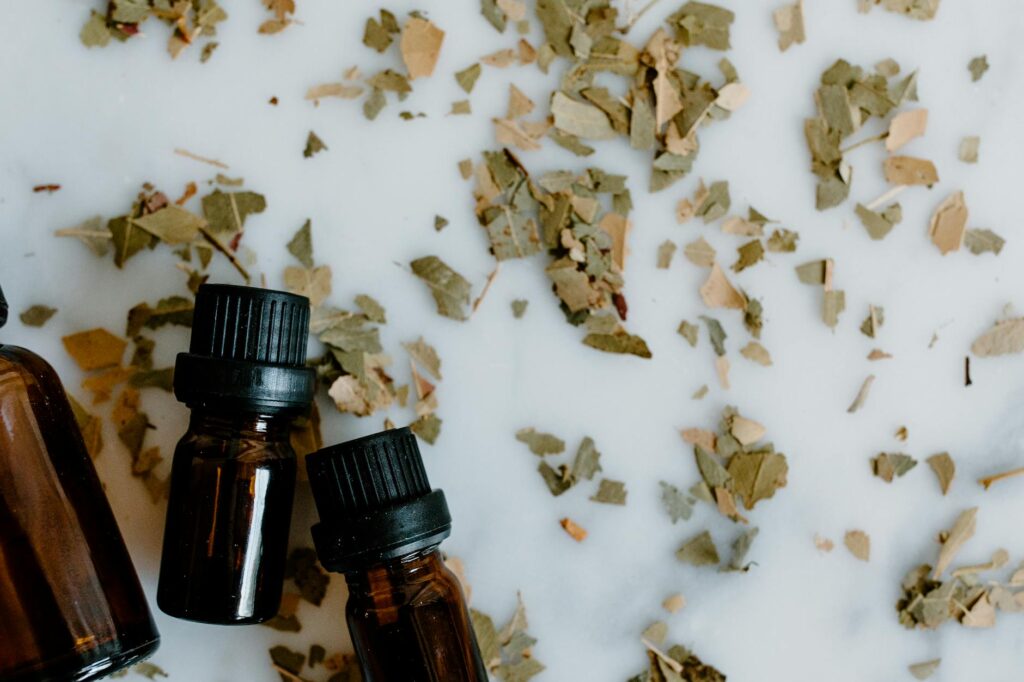
Benefits of Aromatherapy for Seasonal Mood Regulation Blends
Introduction
As the seasons change, many individuals experience shifts in mood and emotional well-being, often referred to as seasonal mood changes. These fluctuations can be influenced by various factors, including variations in daylight, temperature, and even social activities. Aromatherapy, a holistic practice that utilizes essential oils for therapeutic benefits, offers a natural approach to help individuals navigate these seasonal transitions. In this article, we will explore the concept of aromatherapy for seasonal mood regulation blends, emphasizing their benefits, common applications, and safety considerations.
What Is Aromatherapy for Seasonal Mood Regulation Blends?
Aromatherapy is a practice that uses the inhalation or topical application of essential oils extracted from plants to promote physical and emotional well-being. When focusing on seasonal mood regulation, specific essential oils are blended to create a synergistic effect that can help lift spirits, reduce anxiety, and enhance overall mood.
Seasonal mood regulation blends typically incorporate oils known for their uplifting or calming properties. These blends can be tailored to the individual’s preferences and needs, making them versatile tools for emotional support throughout the year.
Key Benefits and Properties
Aromatherapy blends for seasonal mood regulation can provide several beneficial effects, including:
Emotional Balance
Certain essential oils are known for their ability to promote emotional stability. Oils such as lavender, bergamot, and frankincense are widely recognized for their calming properties, helping to alleviate feelings of sadness or anxiety.
Stress Reduction
Essential oils like ylang-ylang, chamomile, and sandalwood can help reduce stress levels. The inhalation of these oils may encourage relaxation and a sense of tranquility, making them valuable during challenging seasons.
Improved Sleep Quality
Changes in mood can often disrupt sleep patterns. Oils like cedarwood and marjoram are known for their sleep-promoting properties, helping to create an environment conducive to restful sleep.
Enhanced Energy and Motivation
During certain seasons, such as winter, individuals may feel lethargic or unmotivated. Uplifting oils like citrus oils (e.g., lemon, grapefruit) and peppermint can invigorate the senses, encouraging a more positive outlook and increased energy levels.
Support for Mental Clarity
Essential oils such as rosemary and basil can enhance focus and mental clarity. This can be particularly beneficial during transitional seasons when individuals might feel scatterbrained or overwhelmed.
Common Uses
Aromatherapy blends for seasonal mood regulation can be employed in various ways, depending on individual preferences and circumstances. Common uses include:
Diffusion
Using an essential oil diffuser is one of the most popular methods for enjoying the benefits of aromatherapy. By adding a few drops of a specially formulated blend, individuals can fill their environment with uplifting scents that support mood regulation.
Topical Application
Diluted essential oils can be applied to pulse points, such as the wrists or temples. This method allows for direct absorption into the skin and provides a more localized effect.
Inhalation
Inhaling essential oils directly from the bottle or from a cotton ball can provide immediate benefits. This method is particularly useful for quick mood adjustments during stressful moments.
Bath Soaks
Adding essential oils to a warm bath can create a relaxing experience. Oils like lavender or eucalyptus can help create a soothing atmosphere, promoting emotional well-being.
Massage
Incorporating essential oils into massage blends can enhance the therapeutic effects of touch therapy. A skilled practitioner can create a personalized experience that addresses both physical and emotional needs.
Aromatherapy Applications
Creating effective aromatherapy blends for seasonal mood regulation involves selecting the right oils and combinations. Here are some popular essential oils and their properties:
Uplifting Oils
- Lemon: Bright and refreshing, lemon oil is known for its ability to elevate mood and enhance focus.
- Bergamot: This oil has a sweet, floral aroma and is often used to reduce feelings of anxiety and promote emotional balance.
- Sweet Orange: Cheerful and uplifting, sweet orange oil can help dispel negativity and brighten the mood.
- Lavender: Renowned for its calming and soothing properties, lavender oil can help alleviate feelings of stress and anxiety.
- Vetiver: This grounding oil is excellent for promoting relaxation and emotional balance.
- Chamomile: Known for its calming effects, chamomile oil can help ease tension and promote sleep.
- Peppermint: This oil is stimulating and refreshing, often used to enhance energy levels and mental clarity.
- Rosemary: Known for its ability to promote alertness, rosemary oil can be helpful for enhancing focus during transitional seasons.
- Eucalyptus: This invigorating oil can help clear the mind and boost energy.
- Storage: Essential oils should be stored in a cool, dark place, away from direct sunlight and heat sources. Dark glass containers are ideal as they protect the oils from light degradation.
- Shelf Life: The shelf life of essential oils varies depending on the type. Most essential oils have a shelf life of 1-3 years, but citrus oils tend to degrade faster, typically lasting 6-12 months. Always check for any changes in color, aroma, or consistency.
Calming Oils
Invigorating Oils
Safety Considerations
While aromatherapy is generally considered safe for most individuals, there are important safety considerations to keep in mind:
1. Dilution: Essential oils should always be diluted before topical application. A common dilution ratio is 2-3 drops of essential oil per teaspoon of carrier oil.
2. Skin Sensitivity: Conducting a patch test before using a new essential oil is advisable, as some individuals may experience sensitivity or allergic reactions.
3. Pregnancy and Health Conditions: Pregnant individuals and those with specific health conditions should consult a healthcare professional before using essential oils.
4. Quality of Oils: Always choose high-quality, pure essential oils from reputable suppliers to ensure safety and efficacy.
5. Children and Pets: Some essential oils may not be safe for use around children or pets. Always research specific oils and consult professionals if needed.
Storage and Shelf Life
Proper storage of essential oils is crucial for maintaining their quality and potency. Here are some guidelines:
Frequently Asked Questions
Can aromatherapy be used in conjunction with other therapies?
Yes, aromatherapy can complement other therapeutic modalities, such as counseling or physical therapy. It is often used as an adjunct therapy for holistic well-being.
How do I choose the right essential oils for my mood?
Choosing the right essential oils involves personal preference and desired effects. Consider experimenting with different oils to find those that resonate with your emotional needs.
Can I create my own blends?
Absolutely! Many individuals enjoy creating custom blends based on their personal preferences. Start by selecting a few essential oils that you find appealing and mix them in a carrier oil or diffuser.
Are there any contraindications for using essential oils?
Certain essential oils may have contraindications based on individual health conditions, medications, or life stages (e.g., pregnancy). It is recommended to research each oil and consult with a professional if unsure.
Conclusion
Aromatherapy for seasonal mood regulation blends offers a natural and versatile approach to emotional well-being. By harnessing the properties of essential oils, individuals can create personalized blends to support them through the ups and downs of seasonal transitions. Whether through diffusion, topical application, or other methods, the potential benefits of aromatherapy can enhance mood, reduce stress, and foster a sense of balance. By adhering to safety guidelines and exploring the diverse world of essential oils, individuals can empower themselves to embrace each season with renewed vitality and emotional clarity.