
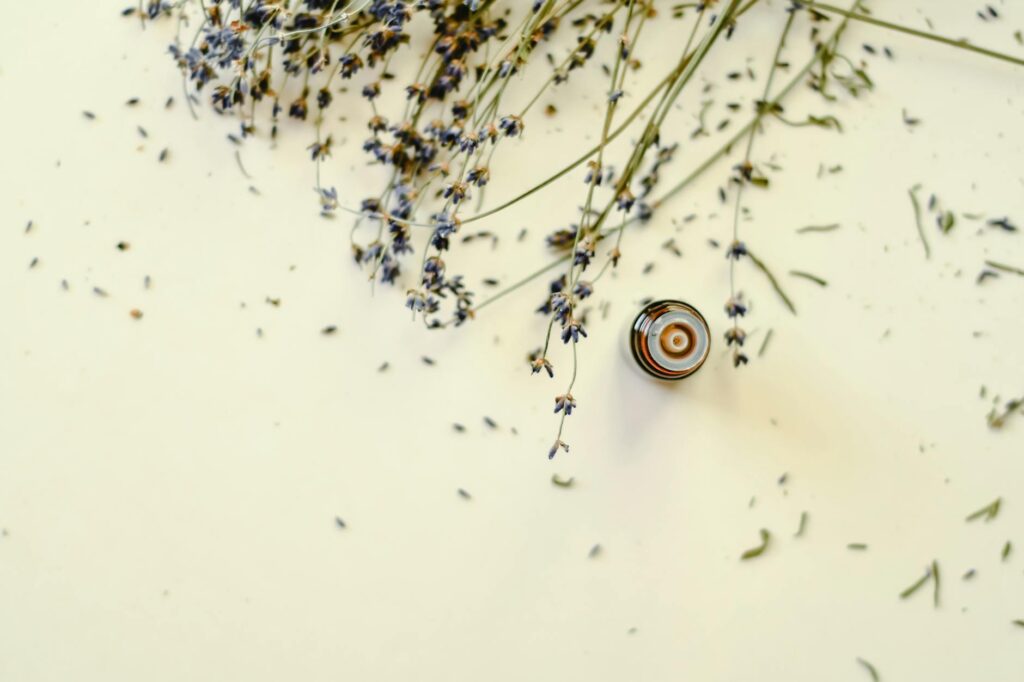
Benefits of Aromatherapy for Seasonal Transitions Blends
Introduction
Aromatherapy, the practice of using essential oils for therapeutic purposes, has gained significant popularity in recent years. One of the most intriguing aspects of aromatherapy is its ability to support individuals during seasonal transitions. As the seasons change, so too can our emotional and physical states. This article explores the benefits of aromatherapy for seasonal transitions, focusing on the blends that can enhance well-being and harmony during these periods of change.
What Is Aromatherapy for Seasonal Transitions Blends?
Aromatherapy for seasonal transitions blends refers to the use of specific combinations of essential oils tailored to support individuals as they navigate the shifts between seasons. These blends harness the unique properties of various essential oils to help balance mood, enhance energy levels, and promote overall well-being. By understanding the characteristics of each season and the emotional challenges they may bring, aromatherapy can provide a natural and holistic approach to easing the transition.
Key Benefits and Properties
1. Emotional Balance
Seasonal changes can evoke a range of emotions, from excitement to anxiety. Certain essential oils, such as lavender and bergamot, are known for their calming properties, helping to reduce stress and promote emotional balance. Blends that incorporate these oils can support mental resilience during transitional periods.
2. Immune Support
As weather changes, so do our susceptibility to colds and flu. Essential oils like eucalyptus, tea tree, and lemon possess antimicrobial properties that can support the immune system. Integrating these oils into seasonal blends may enhance the body’s natural defenses.
3. Energy and Motivation
The transition from winter to spring, for example, often brings a desire for renewal and motivation. Citrus oils, such as sweet orange and grapefruit, are uplifting and invigorating, making them excellent choices for blends aimed at boosting energy levels and enhancing mood.
4. Enhanced Focus and Clarity
As seasons change, our routines often shift as well. Oils such as peppermint and rosemary can improve concentration and mental clarity, making them ideal for blends designed to support productivity and focus during transitional periods.
5. Grounding and Centering
The fall season often brings a sense of reflection and grounding. Essential oils like sandalwood and vetiver are known for their grounding properties, helping to foster a sense of stability as the external environment changes.
Common Uses
Aromatherapy blends for seasonal transitions can be applied in various ways to suit individual preferences and needs. Here are some common uses:
1. Diffusion
Using a diffuser is one of the most popular methods for enjoying the benefits of essential oils. Adding a few drops of a seasonal blend to a diffuser disperses the aroma throughout a room, creating an inviting and calming atmosphere.
2. Topical Application
Diluting essential oils in a carrier oil allows for topical application. This method is particularly effective for localized support, such as applying a blend to pulse points for emotional balance or on the chest for respiratory support.
3. Bath Soaks
Incorporating essential oils into bathwater can create a soothing experience. Blends designed to promote relaxation or energy can enhance the bathing ritual, offering both mental and physical benefits.
4. Inhalation
Simply inhaling essential oils directly from the bottle or using a personal inhaler can provide quick relief and support. This method is especially useful for immediate emotional or mental support.
5. Room Sprays
Creating a room spray with essential oils can refresh and uplift living spaces. This is particularly valuable during seasonal changes when environments may feel stale or heavy.
Aromatherapy Applications
1. Spring Awakening Blend
Ingredients: Sweet Orange, Lavender, Peppermint
Benefits: This blend can help uplift mood and energize the spirit as winter fades, encouraging a sense of renewal and clarity.
2. Summer Refreshing Blend
Ingredients: Lemon, Grapefruit, Eucalyptus
Benefits: This invigorating blend is ideal for combating heat fatigue and promoting mental alertness during the hot summer months.
3. Autumn Grounding Blend
Ingredients: Cedarwood, Clary Sage, Vetiver
Benefits: This grounding blend promotes relaxation and introspection, perfect for the reflective nature of autumn.
4. Winter Comforting Blend
Ingredients: Frankincense, Cinnamon, Clove
Benefits: This warming and comforting blend can provide emotional support during the colder months, fostering a sense of warmth and well-being.
Safety Considerations
While aromatherapy is generally regarded as safe, certain precautions should be taken:
1. Dilution: Always dilute essential oils in a carrier oil before applying them to the skin to prevent irritation.
2. Allergies and Sensitivities: Conduct a patch test before using a new essential oil to ensure there are no allergic reactions.
3. Pregnancy and Nursing: Some essential oils are contraindicated for pregnant or nursing women. Consult with a knowledgeable aromatherapist or healthcare provider for guidance.
4. Children and Pets: Certain oils can be harmful to children and pets. Research specific oils before use and consult with a professional if unsure.
5. Quality of Oils: Use high-quality, pure essential oils from reputable sources to ensure safety and efficacy.
Storage and Shelf Life
Proper storage of essential oils is crucial for maintaining their potency and effectiveness:
1. Containers: Store essential oils in dark glass containers to protect them from light, which can degrade their quality.
2. Temperature: Keep oils in a cool, dry place away from direct sunlight and heat sources.
3. Shelf Life: Most essential oils have a shelf life of 1 to 3 years, though some, like citrus oils, may have a shorter lifespan. Always check for changes in scent or consistency before use.
Frequently Asked Questions
1. Can I create my own seasonal blends?
Absolutely! Experimenting with different essential oils allows you to personalize your blends according to your preferences and needs. Start with a few oils that resonate with you and gradually adjust the ratios.
2. How often can I use aromatherapy blends?
The frequency of use depends on personal preference and the specific oils used. Generally, daily use is considered safe when oils are properly diluted.
3. Are there any essential oils to avoid during certain seasons?
While most oils can be used year-round, some may be more beneficial during specific seasons due to their properties. For instance, uplifting citrus oils are often favored in spring and summer, while grounding oils are preferred in fall and winter.
4. Can aromatherapy replace traditional medicine?
Aromatherapy should not be seen as a substitute for professional medical care. It can complement traditional treatments but should not replace them, especially for serious health conditions.
5. What is the best way to learn more about aromatherapy?
Consider taking courses, attending workshops, or reading reputable books on aromatherapy. Engaging with professional aromatherapists can also provide valuable insights and guidance.
Conclusion
Aromatherapy for seasonal transitions blends offers a holistic approach to navigating the emotional and physical changes that come with shifting seasons. By understanding the unique properties of essential oils and how they can support well-being, individuals can create personalized blends that enhance their experience. Whether through diffusion, topical application, or inhalation, the benefits of aromatherapy can foster a sense of balance and harmony throughout the year. As always, approach aromatherapy with mindfulness and respect for the power of nature’s gifts.