
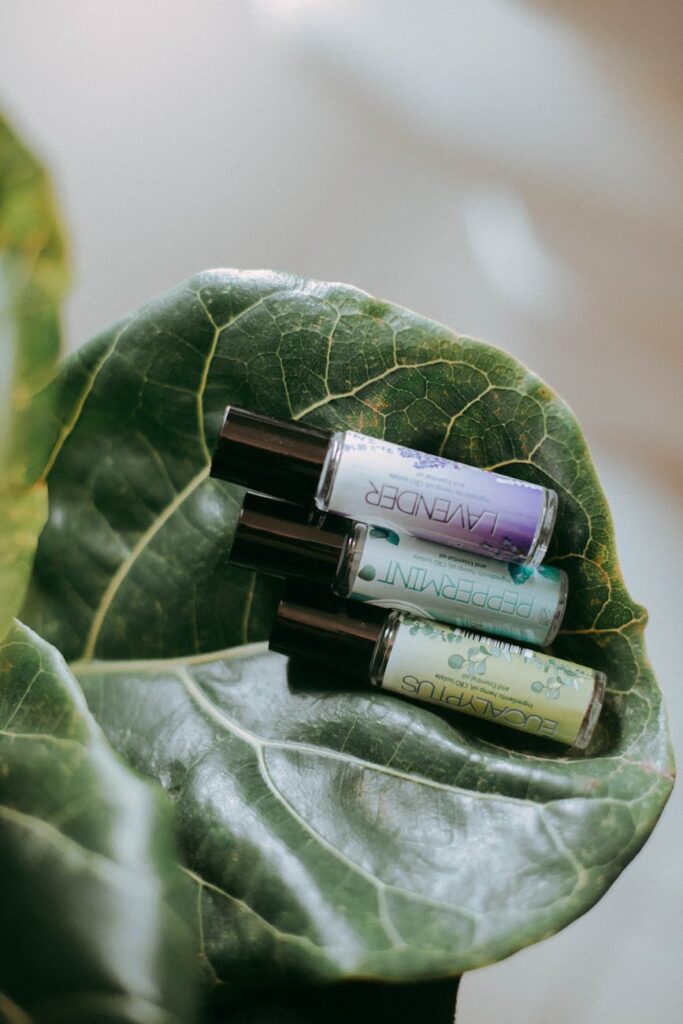
Benefits of Aromatherapy for Self-Discovery Blends
Introduction
Aromatherapy, the therapeutic use of essential oils derived from plants, has gained significant popularity in recent years as individuals seek holistic approaches to personal well-being and self-discovery. Self-discovery blends are specially formulated combinations of essential oils designed to promote introspection, emotional clarity, and personal growth. This article explores the concept of aromatherapy for self-discovery, its benefits, applications, and essential considerations for safe use.
What Is Aromatherapy for Self-Discovery Blends?
Aromatherapy for self-discovery blends involves the intentional use of essential oils to foster a deeper understanding of oneself. These blends are crafted to evoke specific emotional responses, enhance mindfulness, and facilitate personal exploration. By engaging the senses, particularly the sense of smell, aromatherapy can help individuals connect with their inner selves, unlock creativity, and gain insights into their feelings and thoughts.
The essential oils used in these blends possess various properties that can influence mood and emotional states. When combined thoughtfully, they create synergistic effects, amplifying their individual benefits and supporting an environment conducive to self-discovery.
Key Benefits and Properties
Emotional Clarity
Many essential oils have calming or uplifting properties that can help clear mental fog and promote emotional clarity. Oils like lavender and frankincense are known for their calming effects, while oils such as bergamot and citrus oils can elevate mood, making it easier for individuals to confront and explore their emotions.
Enhanced Introspection
Certain essential oils, such as sandalwood and vetiver, are often associated with grounding and centering. These oils can help individuals feel more anchored, making it easier to delve into their thoughts and feelings without distraction.
Creativity Boost
Aromatherapy can stimulate creativity and inspiration. Oils like peppermint and rosemary are known for their ability to invigorate the mind, making them excellent additions to self-discovery blends aimed at sparking new ideas and perspectives.
Stress Reduction
Stress can inhibit self-exploration. Essential oils such as chamomile and ylang-ylang are known for their stress-relieving properties, helping individuals to relax and create a safe mental space for self-discovery.
Mindfulness and Presence
Aromatherapy encourages mindfulness, an essential aspect of self-discovery. Oils such as ylang-ylang and geranium can enhance the meditative experience, promoting a sense of presence and facilitating deeper connections with one’s thoughts and feelings.
Common Uses
Self-discovery blends can be used in various contexts and settings, depending on personal preferences and goals. Here are some common uses:
Meditation and Mindfulness Practices
Incorporating essential oils into meditation can enhance focus and deepen the experience. Diffusing calming oils or applying them topically can create a serene environment conducive to self-reflection.
Journaling and Personal Reflection
Using self-discovery blends while journaling can promote a more profound exploration of thoughts and feelings. The right blend can help clear the mind, allowing for more honest and meaningful expression.
Creative Endeavors
Artists, writers, and other creatives can benefit from self-discovery blends to unlock inspiration. Applying uplifting or invigorating oils can stimulate creativity and enhance the flow of ideas.
Rituals and Ceremonies
Many individuals use essential oils during personal rituals or ceremonies aimed at self-discovery. This can include practices such as intention setting, vision boarding, or other forms of personal exploration.
Aromatherapy Applications
There are several ways to apply aromatherapy for self-discovery blends, tailored to individual needs and preferences:
Diffusion
Using an essential oil diffuser is one of the most popular methods. By dispersing essential oils into the air, individuals can create an aromatic environment that promotes emotional well-being and self-exploration.
Topical Application
Essential oils can be diluted with carrier oils (such as jojoba, almond, or coconut oil) and applied directly to the skin. Common areas for application include pulse points, the neck, and the wrists. This method allows for a more intimate connection with the oils and promotes prolonged effects.
Inhalation
Inhalation is a simple and effective method for experiencing essential oils. Individuals can place a few drops of an essential oil blend on a tissue or cotton ball and inhale deeply. This method is particularly useful for on-the-go self-reflection.
Bathing
Adding essential oils to a warm bath can create a luxurious and therapeutic experience. The combination of heat, water, and aromatic oils can enhance relaxation and self-discovery.
Sprays and Mists
Creating a room spray or personal mist with essential oils can help set an ambiance for self-exploration. Simply combining essential oils with water in a spray bottle can provide a quick and easy way to experience the benefits throughout the day.
Safety Considerations
While aromatherapy is generally considered safe, it is essential to follow certain guidelines to ensure a positive experience:
Dilution
Essential oils are highly concentrated substances and should be diluted before topical application. A standard dilution ratio is 2-3 drops of essential oil per teaspoon of carrier oil.
Skin Sensitivity
Perform a patch test before using a new essential oil, particularly for those with sensitive skin. Apply a small diluted amount to a discreet area and wait 24 hours to check for any adverse reactions.
Quality of Oils
It is crucial to use high-quality, pure essential oils from reputable sources. Synthetic or adulterated oils may not provide the desired benefits and can even cause adverse reactions.
Avoiding Sensitive Areas
Avoid applying essential oils to sensitive areas such as the eyes, inner ears, and mucous membranes. Additionally, pregnant or nursing individuals should consult with a qualified professional before using essential oils.
Storage and Shelf Life
Proper storage of essential oils is essential for maintaining their efficacy and safety. Here are some storage tips:
- Cool, Dark Place: Store essential oils in a cool, dark area away from direct sunlight, which can degrade their quality.
- Tightly Sealed: Ensure that bottles are tightly sealed to prevent evaporation and contamination.
- Glass Containers: Use dark glass containers to protect oils from light exposure, as essential oils can degrade when exposed to light.
- Shelf Life: Most essential oils have a shelf life of 1-3 years, depending on the type of oil. Check for any changes in smell, color, or consistency to determine if an oil is still usable.
Frequently Asked Questions
What essential oils are best for self-discovery blends?
Common essential oils for self-discovery blends include lavender, frankincense, bergamot, sandalwood, and peppermint. Each oil has unique properties that can support various aspects of self-exploration.
Can I create my own self-discovery blend?
Absolutely! Experimenting with different essential oils to create a personalized blend can be a rewarding aspect of the self-discovery process. Start with a few oils that resonate with you and adjust the proportions to find what works best.
How often should I use self-discovery blends?
The frequency of use depends on individual preference. Some may find daily use beneficial, while others may prefer to use their blends during specific practices, like meditation or journaling.
Are there any contraindications for using essential oils?
Certain essential oils may not be suitable for everyone. Pregnant or nursing individuals, children, and those with specific health conditions should exercise caution and consult a qualified professional before using essential oils.
Can I use essential oils in combination with other therapies?
Yes, aromatherapy can complement other therapeutic practices, such as counseling, yoga, or meditation. However, it is essential to communicate with your healthcare provider about any complementary therapies you are considering.
Conclusion
Aromatherapy for self-discovery blends offers a unique and powerful avenue for personal growth and introspection. By harnessing the natural properties of essential oils, individuals can enhance emotional clarity, creativity, and mindfulness, all essential components of self-discovery. As you explore this holistic approach, remember to prioritize safety, quality, and personal preferences to create a meaningful and transformative experience.