
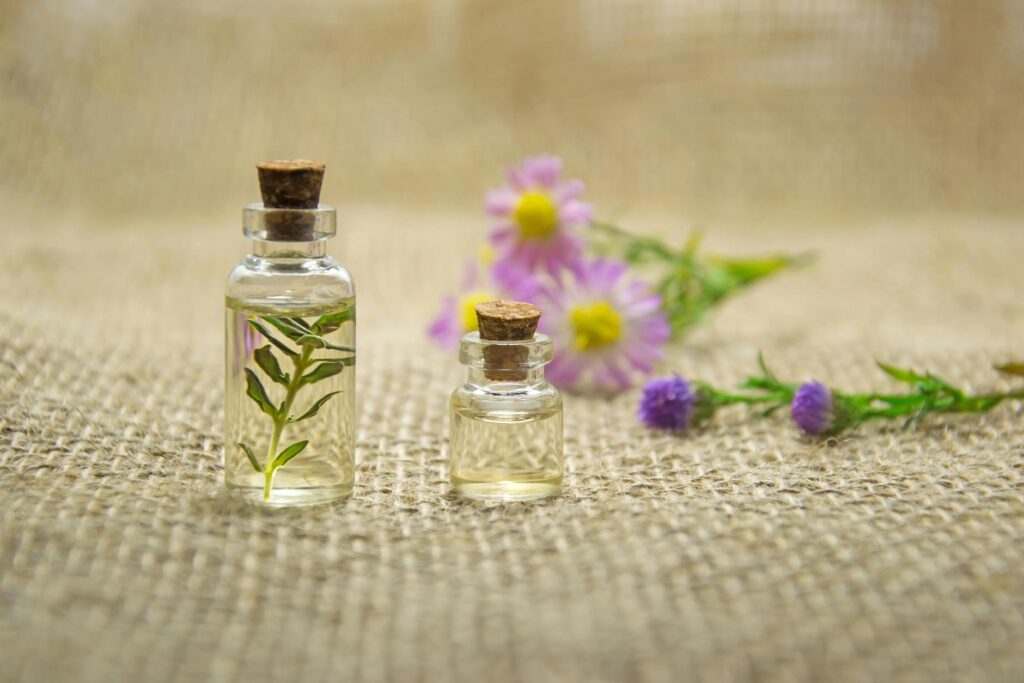
Benefits of Aromatherapy for Sensory Enhancement Blends
Introduction
Aromatherapy, the practice of using essential oils extracted from plants to promote physical and emotional well-being, has gained significant attention in recent years. Among its many applications, aromatherapy for sensory enhancement blends offers a unique approach to stimulating the senses and enhancing sensory experiences. This article explores the concept of sensory enhancement blends, their key benefits, common uses, applications, safety considerations, and storage guidelines.
What Is Aromatherapy for Sensory Enhancement Blends?
Aromatherapy for sensory enhancement blends refers to the formulation of essential oils designed to stimulate and enrich the senses. These blends can invoke specific feelings and mental states, often enhancing the perception of taste, touch, sight, sound, and smell. The sensory experience can be particularly profound when multiple senses are engaged simultaneously, allowing for a holistic approach to well-being.
The formulation of sensory enhancement blends typically involves a combination of various essential oils, each selected for its unique aromatic profile and properties. The goal is to create a harmonious blend that can evoke specific sensations or emotional responses.
Key Benefits and Properties
1. Mood Enhancement: Certain essential oils are known for their uplifting and calming effects. Blends that include oils such as bergamot, lavender, and sweet orange can help improve mood and reduce stress and anxiety.
2. Increased Focus and Clarity: Essential oils like rosemary and peppermint have been shown to enhance cognitive function and concentration. These oils can be beneficial when used in blends aimed at improving mental clarity.
3. Sensory Stimulation: Aromatherapy blends can heighten sensitivity to various stimuli. For example, citrus oils can invigorate the senses, while earthy oils like sandalwood may ground and center an individual.
4. Enhanced Creativity: Some essential oils, such as ylang-ylang and jasmine, are believed to inspire creativity and self-expression. Blending these oils can create an atmosphere conducive to artistic endeavors.
5. Relaxation and Stress Relief: Many people turn to essential oils for relaxation. Blends that include chamomile and frankincense can promote a sense of peace and tranquility, making them ideal for winding down after a hectic day.
6. Connection to Nature: Using natural scents can foster a deeper connection to the environment. This connection can promote mindfulness and a greater appreciation for nature’s sensory array.
Common Uses
Aromatherapy for sensory enhancement blends can be applied in various contexts:
- Home Environment: Diffusing essential oils in the home can create an inviting atmosphere that promotes relaxation, focus, or creativity.
- Workspaces: Incorporating sensory blends into the workplace can help improve productivity and morale, making it a popular choice for offices and creative studios.
- Personal Care: Many individuals use sensory enhancement blends in their personal care routines, such as in lotions, scrubs, or bath products, to promote a more enjoyable experience.
- Meditation and Mindfulness: Essential oils can enhance meditation practices, making it easier to achieve a state of relaxation and focus. Blends designed for this purpose often include grounding oils like vetiver or cedarwood.
- Social Gatherings: Using sensory blends in communal spaces can enhance the overall atmosphere of social events, making them more enjoyable and memorable.
- Dilution: Essential oils are highly concentrated and should be diluted in a carrier oil before topical application to prevent skin irritation.
- Patch Test: Conducting a patch test prior to widespread application can help identify any potential allergic reactions.
- Pregnancy and Nursing: Certain essential oils may not be safe for use during pregnancy or while nursing. Consulting a qualified expert is advisable.
- Children and Pets: Some essential oils are not suitable for children or pets. Researching specific oils beforehand is crucial.
- Quality of Oils: The quality of essential oils can vary widely. It is advisable to choose high-quality, pure essential oils to ensure safety and efficacy.
- Storage: Essential oils should be kept in a cool, dark place, ideally in amber or cobalt glass bottles to protect them from light exposure.
- Shelf Life: The shelf life of essential oils varies; citrus oils tend to have a shorter shelf life (around 1-2 years), while oils like patchouli or sandalwood can last for several years. Regularly checking for changes in aroma or appearance can help determine if an oil is still usable.
Aromatherapy Applications
The application of sensory enhancement blends can take various forms:
1. Diffusion
Diffusing essential oils is one of the most popular methods of using aromatherapy blends. A diffuser disperses the oils into the air, allowing the aroma to fill the room. This method is effective for creating a specific ambiance and can beneficially influence mood and productivity.
2. Topical Application
Blending essential oils with carrier oils (such as jojoba or sweet almond oil) allows for topical application. This method can be effective for localized sensory enhancement, such as applying to pulse points for a calming effect or to the back of the neck for increased focus.
3. Inhalation
Inhaling essential oils directly from the bottle or through an inhaler can provide immediate effects. This method is particularly useful for quick sensory enhancement, such as during stressful situations or moments requiring heightened alertness.
4. Bathing
Adding essential oils to bathwater can create a soothing sensory experience. The warmth of the water helps to disperse the oils, allowing for both inhalation and skin absorption.
5. Massage
Incorporating sensory blends into massage oils can enhance the benefits of touch. The combination of physical touch and aromatic oils can create a deeply relaxing and sensory-rich experience.
Safety Considerations
While aromatherapy is generally considered safe, it is essential to follow certain precautions:
Storage and Shelf Life
Proper storage of essential oils is vital for maintaining their integrity and effectiveness. Here are some guidelines:
Frequently Asked Questions
Q1: Can I create my own sensory enhancement blends?
Yes, creating your own blends can be a rewarding experience. Start with a base oil and add complementary essential oils based on the desired sensory effects. Experimenting with different ratios can yield unique results.
Q2: How do I know which essential oils to use for sensory enhancement?
Researching the properties of various essential oils can provide insights into their sensory effects. Additionally, personal preferences play a significant role; what is uplifting for one person may not be for another.
Q3: Are there any essential oils that should be avoided?
Yes, certain oils may cause allergic reactions or sensitivity in some individuals. It is advisable to research and consult resources before using unfamiliar oils.
Q4: How often should I use sensory enhancement blends?
The frequency of use depends on personal preference and the specific context. Some may benefit from daily use, while others might prefer occasional applications during specific activities.
Q5: Can sensory enhancement blends replace traditional therapies?
While aromatherapy can complement various practices, it should not be considered a substitute for professional medical advice or treatment. Always consult qualified professionals for health concerns.
Conclusion
Aromatherapy for sensory enhancement blends offers a diverse range of benefits, from mood enhancement to increased focus and creativity. By understanding the properties and applications of essential oils, individuals can create personalized experiences that engage and enrich their senses. Whether used in the home, workplace, or during personal care routines, these blends can foster a deeper connection to the world around us, enhancing overall well-being. As with any practice, mindfulness and safety should remain at the forefront of any aromatherapy journey.