
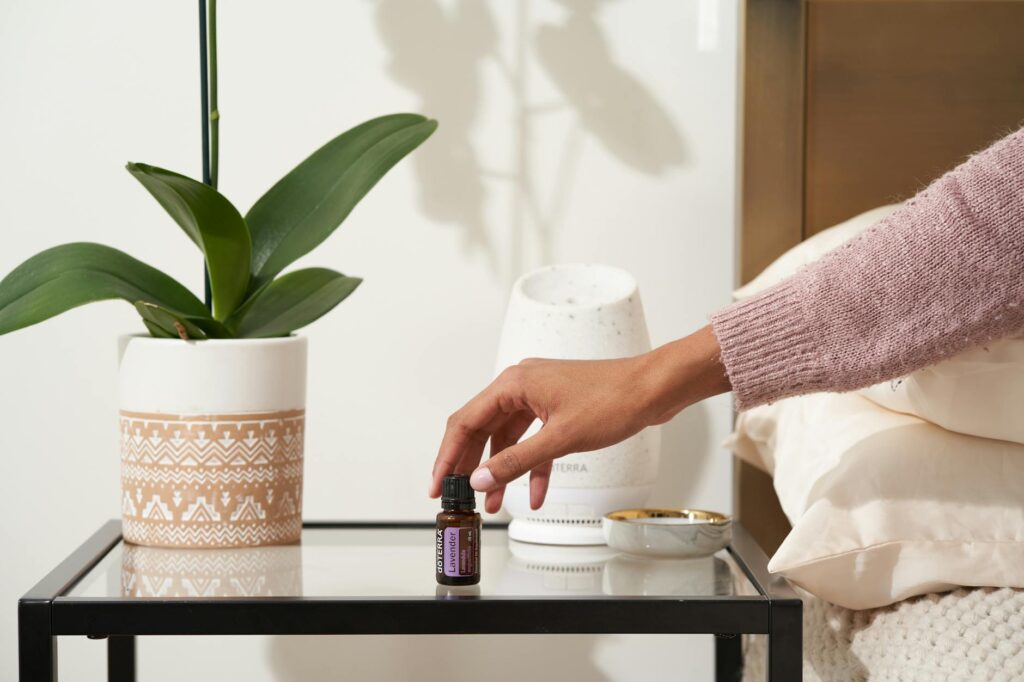
Benefits of Aromatherapy for Sleep Hygiene Blends
Introduction
In an age characterized by constant stimulation and stress, achieving quality sleep has become a challenge for many. Aromatherapy, the use of essential oils for therapeutic benefits, has gained prominence as a natural and holistic approach to enhancing sleep hygiene. This article delves into the intricacies of aromatherapy for sleep hygiene blends, exploring their benefits, applications, and safety considerations.
What Is Aromatherapy for Sleep Hygiene Blends?
Aromatherapy involves the use of essential oils derived from plants to promote physical, psychological, and spiritual well-being. Sleep hygiene blends are specific formulations of essential oils designed to create a calming environment conducive to restful sleep. These blends often incorporate a variety of oils known for their relaxing and soothing properties. The practice of aromatherapy for sleep hygiene can be traced back thousands of years, with its roots in ancient civilizations that recognized the power of scent in influencing mood and behavior.
Key Benefits and Properties
1. Promotes Relaxation
Many essential oils used in sleep hygiene blends have sedative properties that can help calm the mind and body. Oils such as lavender and chamomile are renowned for their ability to reduce anxiety and create a sense of tranquility, making them ideal choices for promoting relaxation.
2. Enhances Sleep Quality
Aromatherapy can help improve sleep quality by encouraging deeper, more restorative sleep. Essential oils like vetiver and sandalwood have been shown to promote slow-wave sleep, which is essential for physical recovery and mental clarity.
3. Reduces Stress and Anxiety
Stress and anxiety are significant contributors to sleep disturbances. Aromatherapy can help alleviate these feelings by activating the limbic system, the part of the brain responsible for emotions. Oils such as bergamot and ylang-ylang can help elevate mood and reduce stress levels.
4. Establishes a Sleep Routine
Incorporating aromatherapy into a bedtime routine can signal to the body that it is time to wind down. The consistent use of specific scents associated with relaxation can condition the mind to associate these aromas with sleep, fostering a more regular sleep pattern.
5. Supports Overall Well-being
Quality sleep is intricately linked to overall health. By improving sleep hygiene through aromatherapy, individuals may experience enhanced mood, improved cognitive function, and better immune support.
Common Uses
Aromatherapy for sleep hygiene can be utilized in various ways, depending on individual preferences and circumstances:
- Diffusion: Using an essential oil diffuser to disperse aromas throughout a room can create a calming atmosphere that promotes sleep.
- Topical Application: Diluting essential oils in a carrier oil and applying them to pulse points or the soles of the feet can enhance relaxation.
- Bathing: Adding essential oils to bath water can create a serene environment for unwinding before bed.
- Sleep Pillows: Sprinkling a few drops of essential oil on a pillow or using scented sachets can provide a soothing aroma throughout the night.
- 5 drops of lavender essential oil
- 3 drops of chamomile essential oil
- 2 drops of cedarwood essential oil
- Dilution: Essential oils are highly concentrated and should be diluted in a carrier oil before topical application to avoid skin irritation.
- Allergies: Individuals should perform a patch test before applying a new essential oil to the skin to check for allergic reactions.
- Pregnancy and Nursing: Pregnant or nursing individuals should consult a healthcare professional before using essential oils, as some oils may not be safe during these periods.
- Children and Pets: Caution should be exercised when using essential oils around children and pets, as certain oils can be harmful to them.
- Dark Glass Bottles: Essential oils should be stored in dark glass bottles to protect them from light, which can degrade their quality.
- Cool, Dry Place: Keep oils in a cool, dry place away from direct sunlight and heat sources.
- Shelf Life: Most essential oils have a shelf life of 1-5 years, depending on the oil. Citrus oils tend to have a shorter shelf life, while oils like sandalwood can last longer.
Aromatherapy Applications
Popular Essential Oils for Sleep Hygiene
1. Lavender (Lavandula angustifolia)
Known for its calming properties, lavender is widely used in sleep blends for its ability to reduce anxiety and promote relaxation.
2. Roman Chamomile (Chamaemelum nobile)
This oil is often praised for its soothing effects, making it a perfect addition to sleep hygiene blends.
3. Bergamot (Citrus bergamia)
Bergamot is unique as it can uplift mood while also promoting relaxation, making it a versatile choice for sleep blends.
4. Cedarwood (Cedrus atlantica)
With its warm, woodsy scent, cedarwood is often used for its grounding properties, helping to create a calming atmosphere.
5. Sandalwood (Santalum album)
Sandalwood is known for its calming and tranquil effects, making it ideal for evening routines.
Blending Essential Oils
Creating a personalized sleep hygiene blend can be a rewarding experience. A basic recipe might include:
Combine these oils in a dark glass bottle, and add a carrier oil if intended for topical use. Experimenting with different combinations can lead to the discovery of unique blends that resonate with individual preferences.
Safety Considerations
While aromatherapy is generally safe for most individuals, certain precautions should be taken:
Storage and Shelf Life
Proper storage of essential oils is crucial for maintaining their potency and efficacy. Here are some tips:
Frequently Asked Questions
1. Can aromatherapy help everyone sleep better?
While many individuals may benefit from aromatherapy, responses can vary. Individual preferences, sensitivities to scents, and underlying health conditions may influence the effectiveness of aromatherapy for sleep.
2. How long before bedtime should I use aromatherapy?
Using aromatherapy 30-60 minutes before bedtime is often recommended, as this allows the body to begin winding down and preparing for sleep.
3. Can I use multiple essential oils together?
Yes, many essential oils can be blended together to create a personalized aroma that suits individual preferences. Experimenting with different combinations can lead to unique and enjoyable scents.
4. What if I don’t like the scent of lavender?
While lavender is a popular choice for sleep hygiene, there are many other essential oils that promote relaxation and sleep. Oils like chamomile, bergamot, and sandalwood can be effective alternatives.
5. Is it safe to use essential oils in a diffuser overnight?
Using a diffuser overnight is generally safe, but it’s recommended to use a timer to limit diffusion to a few hours to prevent overwhelming scents and potential sensitivities.
Conclusion
Aromatherapy offers a natural and holistic approach to improving sleep hygiene through the use of carefully selected essential oils. By understanding the benefits, applications, and safety considerations associated with sleep hygiene blends, individuals can harness the power of scent to foster relaxation and enhance their overall well-being. Whether through diffusion, topical application, or other methods, integrating aromatherapy into nightly routines may pave the way for more restful and restorative sleep.