
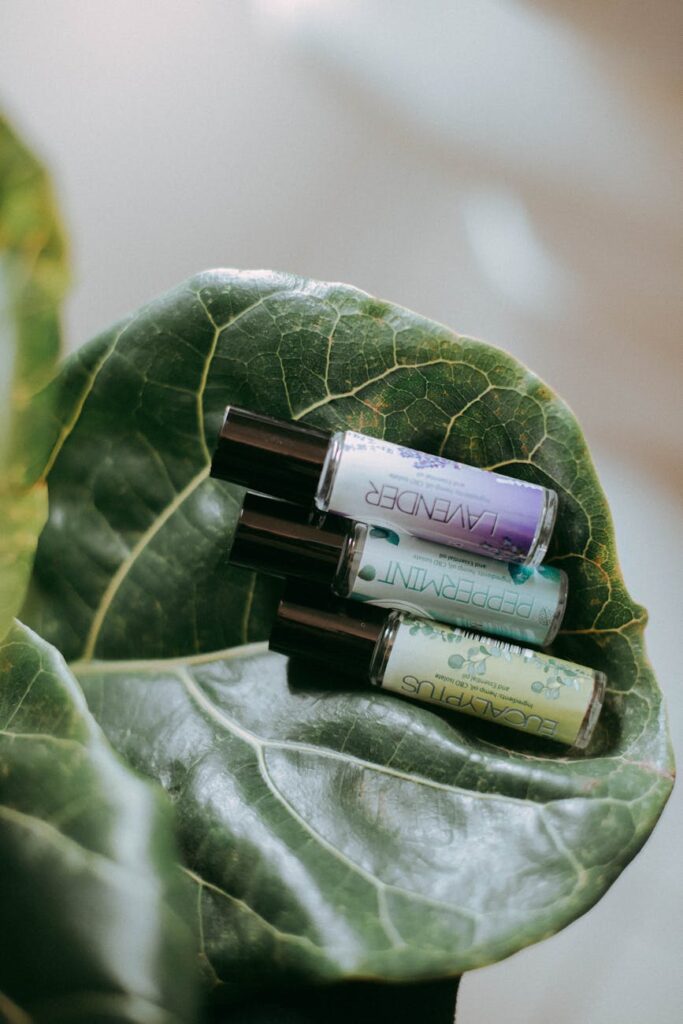
Benefits of Aromatherapy for Sleep Quality Enhancement Blends
Introduction
In today’s fast-paced world, many individuals struggle with sleep-related issues. The quest for a restful night has led to a renewed interest in natural remedies, with aromatherapy emerging as a popular choice. This ancient practice utilizes the therapeutic properties of essential oils to promote relaxation and improve overall well-being. This article explores the benefits of aromatherapy specifically tailored for enhancing sleep quality, examining various essential oil blends, their properties, common applications, safety considerations, and more.
What Is Aromatherapy for Sleep Quality Enhancement Blends?
Aromatherapy is a holistic healing practice that employs the use of essential oils extracted from plants to enhance physical, emotional, and mental health. Sleep quality enhancement blends are specific combinations of essential oils designed to promote relaxation and facilitate better sleep. These blends typically include oils known for their calming properties, such as lavender, chamomile, and sandalwood, each chosen for their unique contributions to relaxation and sleep support.
Key Benefits and Properties
1. Promotes Relaxation
Essential oils such as lavender and bergamot are well-regarded for their ability to promote relaxation. Inhaling these scents can trigger the body’s relaxation response, potentially leading to a decrease in stress levels and an increase in feelings of calm.
2. Reduces Anxiety
Aromatherapy blends that include oils like frankincense and ylang-ylang may help reduce anxiety. These oils can encourage a sense of emotional balance, making it easier to unwind and prepare for sleep.
3. Improves Sleep Quality
Certain essential oils have sedative properties that can aid in enhancing sleep quality. Oils such as vetiver and marjoram are often included in sleep blends due to their ability to help individuals fall asleep more easily and maintain deep sleep throughout the night.
4. Enhances Mood
Incorporating aromatherapy into a bedtime routine can positively influence mood. Oils like sweet orange and geranium might uplift spirits, promoting a more positive mindset before sleep.
5. Supports Respiratory Health
Some essential oils, including eucalyptus and tea tree oil, can help clear the airways and improve breathing. This can be particularly beneficial for individuals who experience respiratory issues that disrupt sleep.
Common Uses
1. Diffusion
One of the most popular ways to use aromatherapy blends is through diffusion. Essential oils are added to a diffuser, which disperses the aroma throughout the room. This method allows for a gentle and continuous release of the oils, creating a calming atmosphere conducive to sleep.
2. Topical Application
Diluting essential oils in a carrier oil and applying them topically can also be effective. Common areas for application include pulse points, such as the wrists and temples, or massaging the blend onto the neck and shoulders to promote relaxation.
3. Bathing Rituals
Adding a few drops of a sleep-enhancing blend to a warm bath can create a soothing experience. The combination of warm water and aromatic essential oils can enhance relaxation, making it an ideal pre-sleep ritual.
4. Pillow Sprays
Creating a pillow spray with sleep-promoting essential oils can enhance bedtime routines. Spraying a blend on your pillow or bedding can create a calming environment that encourages restful sleep.
Aromatherapy Applications
1. Essential Oil Blends
Here are several essential oils commonly used in sleep quality enhancement blends:
- Lavender (Lavandula angustifolia): Known for its calming and sedative properties, lavender is often the cornerstone of sleep blends.
- Chamomile (Matricaria chamomilla): This oil helps soothe anxiety and promote relaxation, making it a popular choice for bedtime blends.
- Bergamot (Citrus bergamia): With its uplifting yet calming scent, bergamot can help alleviate stress and anxiety, preparing the mind for sleep.
- Sandalwood (Santalum album): Sandalwood has grounding properties and is often used to create a tranquil environment.
- Cedarwood (Cedrus atlantica): Known for its warm, woodsy aroma, cedarwood is believed to promote relaxation and improve sleep quality.
- 5 drops of lavender essential oil
- 3 drops of chamomile essential oil
- 2 drops of bergamot essential oil
- 2 tablespoons of a carrier oil (such as sweet almond or jojoba oil)
2. DIY Sleep Blend Recipe
Creating your own sleep blend can be a rewarding and personalized experience. Here’s a simple recipe to get you started:
Ingredients:
Instructions:
1. Combine the essential oils and carrier oil in a small glass bottle.
2. Shake gently to mix.
3. Apply a small amount to pulse points or use in a diffuser before bedtime.
Safety Considerations
While aromatherapy is generally considered safe, there are important safety considerations to keep in mind:
1. Dilution: Always dilute essential oils with a carrier oil before applying them to the skin to prevent irritation.
2. Allergies: Conduct a patch test to check for any allergic reactions before using a new oil.
3. Pregnancy and Nursing: Some essential oils may not be suitable during pregnancy or nursing. Consult with a qualified professional for guidance.
4. Medical Conditions: Individuals with certain medical conditions or those on specific medications should consult with a healthcare provider before using essential oils.
5. Children and Pets: Take special care when using essential oils around children and pets, as some oils can be toxic to them.
Storage and Shelf Life
Proper storage is essential for maintaining the quality of essential oils. They should be kept in a cool, dark place, away from direct sunlight and heat. Most essential oils have a shelf life of 1 to 3 years, though some may last longer if stored correctly. Always check for changes in scent, color, or viscosity before use, as these can indicate that the oil has degraded.
Frequently Asked Questions
1. How can I choose the right essential oils for sleep?
Choosing the right essential oils often depends on personal preference and individual responses to scents. Many people find lavender and chamomile effective, while others may prefer bergamot or sandalwood. Experimenting with different oils can help you find what works best for you.
2. Can I use aromatherapy if I have allergies?
If you have allergies, it is advisable to consult with a healthcare provider before using essential oils. Conducting a patch test on a small area of skin can also help determine if you are sensitive to a particular oil.
3. Is it safe to use essential oils around children?
Some essential oils are safe for children, but others can be too potent or irritating. Always consult with a qualified professional for advice on which oils are safe and appropriate for children.
4. How long does it take for aromatherapy to work?
The effects of aromatherapy can vary from person to person. Some individuals may feel an immediate sense of relaxation, while others may require several uses before experiencing noticeable benefits.
5. Can I mix different oils together?
Yes, blending different essential oils can create unique aromas and enhance the therapeutic effects. However, it is important to research the properties of each oil to ensure they complement each other.
Conclusion
Aromatherapy for sleep quality enhancement blends offers a natural and holistic approach to improving sleep. By incorporating essential oils known for their calming and relaxing properties into your bedtime routine, you can create a serene environment conducive to restful sleep. While aromatherapy is not a substitute for professional medical advice or treatment, it can be a valuable tool in promoting relaxation and enhancing sleep quality for those seeking a natural solution.