
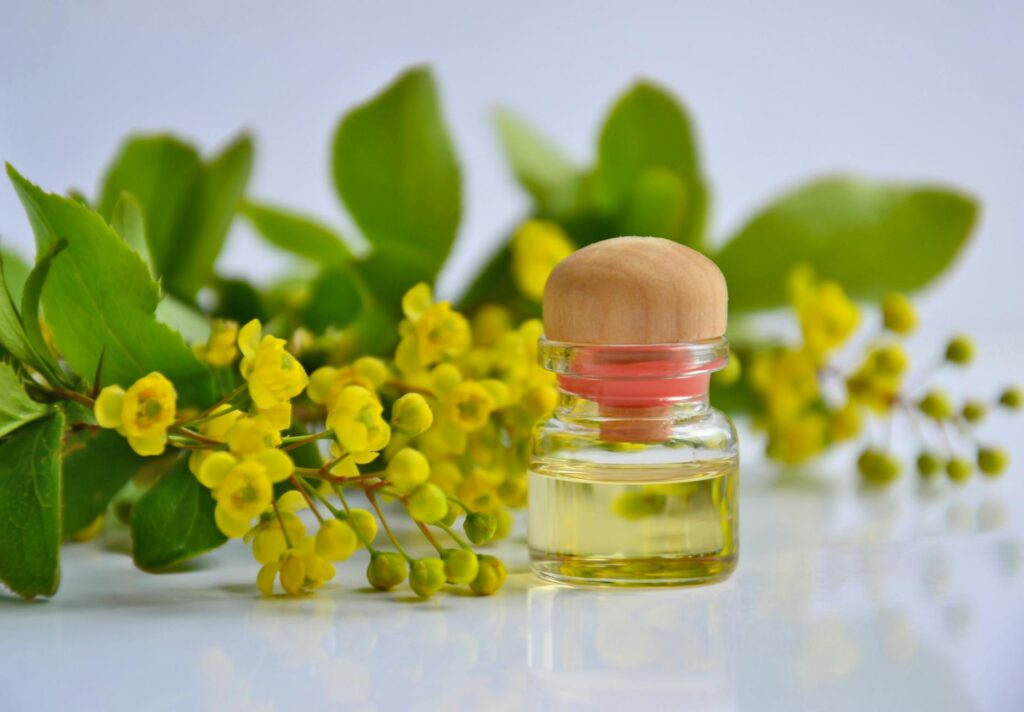
Benefits of Ashwagandha Extract
Introduction
Ashwagandha, scientifically known as Withania somnifera, is a perennial shrub that has been a cornerstone of traditional Ayurvedic medicine for centuries. Often referred to as “Indian ginseng” or “winter cherry,” this adaptogenic herb is renowned for its potential to enhance overall well-being. In recent years, interest in ashwagandha extract has surged globally, thanks to its promising health benefits and versatile applications. This article delves into the various facets of ashwagandha extract, exploring its properties, uses, and safety considerations.
What Is Ashwagandha Extract?
Ashwagandha extract is derived from the roots and leaves of the ashwagandha plant. The extraction process typically involves using solvents to isolate the bioactive compounds, primarily alkaloids and withanolides, responsible for the herb’s therapeutic effects. The extract is available in various forms, including powders, capsules, tinctures, and oils, making it accessible for diverse applications in health and wellness.
Ashwagandha is classified as an adaptogen, a natural substance that helps the body adapt to stress by modulating its physiological responses. This unique characteristic makes it a subject of interest for individuals seeking natural methods to manage stress and promote mental clarity.
Key Benefits and Properties
1. Stress Reduction
One of the most well-known benefits of ashwagandha extract is its ability to reduce stress. Several studies suggest that it may lower cortisol levels, the hormone produced by the adrenal glands in response to stress. By modulating cortisol levels, ashwagandha is thought to foster a sense of calm and balance in the body.
2. Enhanced Cognitive Function
Preliminary research indicates that ashwagandha may support cognitive function by improving memory, focus, and concentration. The herb’s neuroprotective properties are believed to contribute to its potential in enhancing brain health, particularly in aging populations.
3. Mood Support
Ashwagandha has been traditionally used to alleviate symptoms of anxiety and depression. Its adaptogenic nature may help stabilize mood by influencing neurotransmitter activity and promoting a sense of well-being.
4. Improved Physical Performance
Athletes and fitness enthusiasts have shown interest in ashwagandha for its potential to enhance physical performance. Some studies suggest that it may increase strength, endurance, and muscle recovery, making it a popular supplement in fitness circles.
5. Immune System Support
The bioactive compounds in ashwagandha may possess immunomodulatory properties, helping to bolster the immune system. By promoting a balanced immune response, ashwagandha may assist in overall health maintenance.
6. Hormonal Balance
Ashwagandha is thought to influence hormonal balance, particularly in relation to thyroid function and reproductive health. It may help regulate hormones involved in stress response and reproductive health, contributing to overall well-being.
Common Uses
Ashwagandha extract is utilized in various forms and for multiple purposes, including:
- Dietary Supplements: Capsules and powders are commonly taken as dietary supplements to support stress management and overall health.
- Herbal Teas: Ashwagandha is sometimes used in herbal blends, offering a soothing beverage for relaxation.
- Topical Applications: Oils and creams infused with ashwagandha may be used for skin health and to alleviate muscle tension.
- Culinary Uses: In certain cultures, ashwagandha is integrated into food preparations, particularly in traditional dishes and beverages.
- Consultation: It is advisable to consult a healthcare professional before starting any new supplement, especially for individuals with pre-existing conditions or those taking other medications.
- Pregnancy and Lactation: Pregnant and breastfeeding women should exercise caution and consult a healthcare professional before using ashwagandha.
- Dosage: Adhering to recommended dosages is crucial, as excessive intake may lead to adverse effects, including gastrointestinal discomfort.
- Allergies: Individuals with known allergies to nightshade plants should exercise caution, as ashwagandha belongs to the same family.
- Keep in a Cool, Dry Place: Store the extract in a cool, dry environment, away from direct sunlight and moisture.
- Use Airtight Containers: Keeping ashwagandha in airtight containers can prevent exposure to air and humidity, which may degrade its quality.
- Check Expiry Dates: Always check the expiration date on the packaging to ensure that the extract is used within its shelf life.
Aromatherapy Applications
While ashwagandha is not typically used as a primary essential oil in aromatherapy, it can be incorporated into holistic practices through blends and formulations. Its calming properties make it a valuable addition to stress-relief formulations.
Blending with Essential Oils
When creating an aromatherapy blend, ashwagandha may be paired with essential oils known for their calming effects, such as lavender or chamomile. This combination can enhance the overall therapeutic experience, promoting relaxation and mental clarity.
Inhalation
Inhalation of ashwagandha-infused oils can be beneficial as part of a stress-relief ritual. Diffusing the blend in a space can create a calming atmosphere conducive to relaxation, meditation, or yoga.
Massage
Incorporating ashwagandha extract into massage oils can enhance the therapeutic benefits of massage therapy. The extract may be combined with carrier oils and essential oils to promote relaxation and ease muscle tension.
Safety Considerations
While ashwagandha extract is generally considered safe for most individuals, certain precautions should be taken:
Storage and Shelf Life
Proper storage of ashwagandha extract is essential to maintain its potency and quality. To ensure longevity:
Frequently Asked Questions
1. What is the best form of ashwagandha extract to take?
The best form of ashwagandha extract depends on personal preference. Powders can be easily mixed into beverages, while capsules offer convenience. Tinctures provide flexibility in dosage.
2. How long does it take to feel the effects of ashwagandha?
The effects of ashwagandha can vary among individuals. Some may notice benefits within a few days, while others may take several weeks of consistent use to experience noticeable changes.
3. Can ashwagandha be taken with other supplements?
Ashwagandha is generally compatible with various supplements; however, it is advisable to consult a healthcare professional before combining it with other products to avoid potential interactions.
4. Is ashwagandha safe for long-term use?
While ashwagandha is considered safe for most individuals, long-term use should be monitored, and periodic breaks may be beneficial. Consultation with a healthcare professional is recommended for extended use.
5. Are there any side effects associated with ashwagandha?
Some individuals may experience mild side effects such as gastrointestinal discomfort, headache, or drowsiness. These effects are generally rare and may be minimized by adhering to recommended dosages.
Conclusion
Ashwagandha extract is a multifaceted herbal supplement with a rich history in traditional medicine, offering a range of potential benefits. From stress reduction to cognitive enhancement, its adaptogenic properties make it valuable in modern wellness practices. As with any supplement, responsible usage and consideration of individual health needs are paramount. With ongoing research and increasing interest, ashwagandha continues to be explored for its benefits and applications in holistic health.