
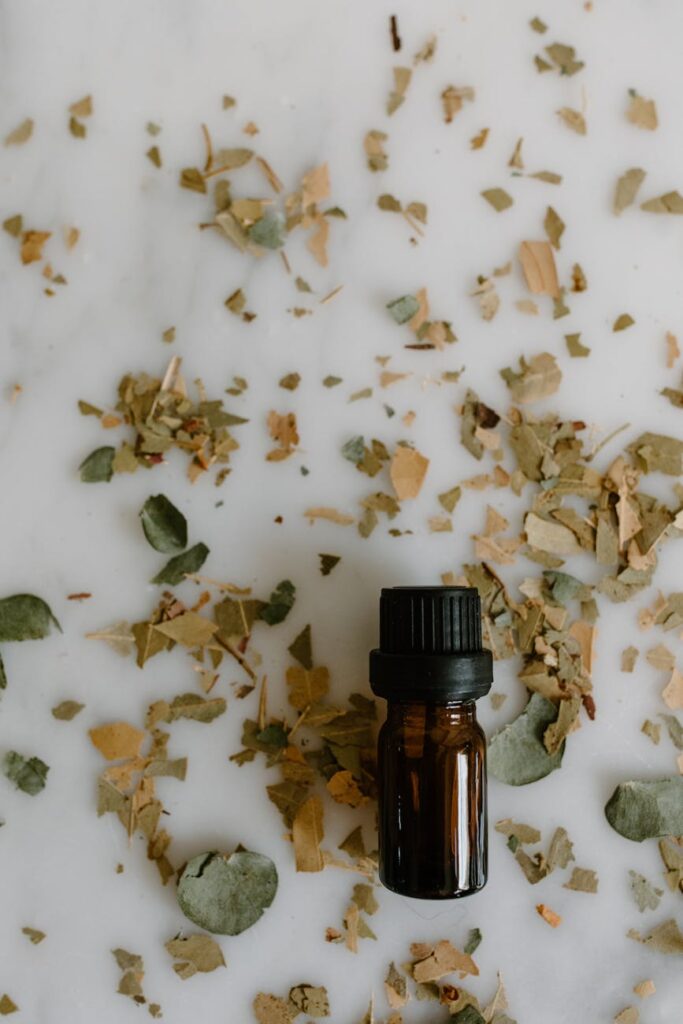
Benefits of Ashwagandha Root Extract
Introduction
Ashwagandha (Withania somnifera), often referred to as Indian ginseng or winter cherry, is an adaptogenic herb that has been utilized in traditional Ayurvedic medicine for centuries. The root extract of this plant is celebrated for its wide range of health benefits, including stress reduction, enhanced cognitive function, and improved overall vitality. This article delves into the various aspects of ashwagandha root extract, including its properties, uses, and applications in aromatherapy.
What Is Ashwagandha Root Extract?
Ashwagandha is a perennial shrub native to the Indian subcontinent, particularly found in India, the Middle East, and parts of Africa. The name “ashwagandha” translates to “smell of the horse” in Sanskrit, reflecting both its distinct aroma and its reputed ability to impart the strength and vitality of a horse.
The root of the ashwagandha plant is rich in bioactive compounds, including alkaloids, steroidal lactones (withanolides), and saponins. These compounds contribute to the herb’s adaptogenic properties, helping the body adapt to stress and maintain balance. Ashwagandha root extract is typically available in various forms, including powders, capsules, tinctures, and essential oils, making it accessible for different applications.
Key Benefits and Properties
Adaptogenic Effects
One of the most prominent features of ashwagandha root extract is its adaptogenic capability. Adaptogens are substances that help the body resist physical, chemical, and biological stressors. Ashwagandha is believed to modulate the body’s stress response by regulating cortisol levels, thereby promoting a sense of calmness and well-being.
Cognitive Enhancement
Research suggests that ashwagandha may support cognitive function. The compounds found in the root extract are thought to promote neuroprotection, potentially enhancing memory and cognitive abilities. Studies have indicated improvements in attention, information processing speed, and overall mental clarity among those who incorporate ashwagandha into their wellness routine.
Anti-Inflammatory Properties
Ashwagandha is also recognized for its anti-inflammatory effects. The withanolides present in the root may help reduce inflammation in the body, which is a contributing factor in various chronic health conditions. This property makes ashwagandha a candidate for those seeking natural support for inflammation-related issues.
Immune System Support
The herb is known to bolster the immune system. Its antioxidant properties may help combat oxidative stress, which can weaken immune responses. By supporting overall immune function, ashwagandha may contribute to better health and resilience against infections.
Energy and Vitality
Many individuals report increased energy levels and vitality when using ashwagandha root extract. This can be particularly beneficial for those experiencing fatigue or burnout, as the herb may enhance physical endurance and promote overall stamina.
Common Uses
Ashwagandha root extract is widely used in various forms, depending on individual preferences and needs. Here are some common applications:
- Powder: The powdered form of ashwagandha can be easily added to smoothies, teas, or other beverages. It is often used in Ayurvedic formulations and herbal blends.
- Capsules: For those seeking a convenient option, ashwagandha capsules provide a measured dose of the extract, making it easy to incorporate into a daily supplement routine.
- Tinctures: Liquid extracts are another popular choice, allowing for quick absorption and easy customization of dosage.
- Essential Oils: Although less common, ashwagandha essential oil can be used in topical applications or diffused for aromatic benefits.
- Diffusion: Adding a few drops of ashwagandha essential oil to a diffuser can create a calming atmosphere. This can be particularly beneficial during meditation or yoga practices.
- Massage: Blending ashwagandha oil with a carrier oil (such as coconut or jojoba oil) for massage can provide both aromatic and topical benefits, promoting relaxation and soothing sore muscles.
- Bath Soaks: Incorporating ashwagandha essential oil into bath water can create a tranquil bathing experience, helping to relieve stress and promote a sense of well-being.
- Pregnancy and Breastfeeding: Pregnant or breastfeeding women should exercise caution and consult a healthcare provider before using ashwagandha, as its effects during these periods are not fully understood.
- Interactions with Medications: Ashwagandha may interact with certain medications, including sedatives and thyroid medications. It is essential to consult a healthcare professional if you are taking any medications.
- Dosage: Adhering to recommended dosages is crucial, as excessive intake may lead to adverse effects such as gastrointestinal discomfort or drowsiness.
- Cool, Dry Place: Store ashwagandha root extract in a cool, dry area away from direct sunlight. High temperatures and humidity can degrade the quality of the extract.
- Airtight Containers: Use airtight containers to prevent exposure to air and moisture, which can lead to oxidation and loss of potency.
- Expiration Dates: Be mindful of expiration dates on products. While dried powders may last longer, extracts in liquid form generally have a shorter shelf life.
Aromatherapy Applications
While ashwagandha is primarily known for its internal benefits, it also has applications in aromatherapy. The essential oil extracted from ashwagandha possesses a unique earthy scent that can enhance relaxation and grounding during aromatherapy sessions. Here are a few ways to incorporate ashwagandha in aromatherapy:
Safety Considerations
While ashwagandha root extract is generally considered safe for most individuals, some precautions should be taken:
Storage and Shelf Life
To maintain the potency and freshness of ashwagandha root extract, proper storage is essential. Here are some tips:
Frequently Asked Questions
Can I take ashwagandha every day?
Yes, many individuals incorporate ashwagandha into their daily routine. However, it’s best to consult a healthcare professional to determine the appropriate dosage for your needs.
How long does it take to feel the benefits of ashwagandha?
The time it takes to experience the benefits of ashwagandha can vary among individuals. Some may notice effects within a few days, while for others, it may take several weeks of consistent use.
Is ashwagandha safe for children?
While ashwagandha is generally considered safe for adults, its use in children should be approached with caution. Consulting a healthcare provider is recommended before giving ashwagandha to children.
Can I use ashwagandha with other herbal supplements?
Ashwagandha can be combined with other herbal supplements, but it’s essential to be aware of potential interactions. Consulting a healthcare professional is advisable to ensure safety.
Conclusion
Ashwagandha root extract is a versatile and beneficial herb that has stood the test of time in traditional medicine. With its adaptogenic properties, cognitive enhancement capabilities, and immune system support, it offers a range of potential benefits for those seeking to improve their overall well-being. Whether used in powder, capsule, tincture, or essential oil form, ashwagandha presents numerous opportunities for integration into daily wellness practices. As with any herbal supplement, proper usage, storage, and consultation with a healthcare professional can enhance the experience and benefits of this remarkable root extract.