
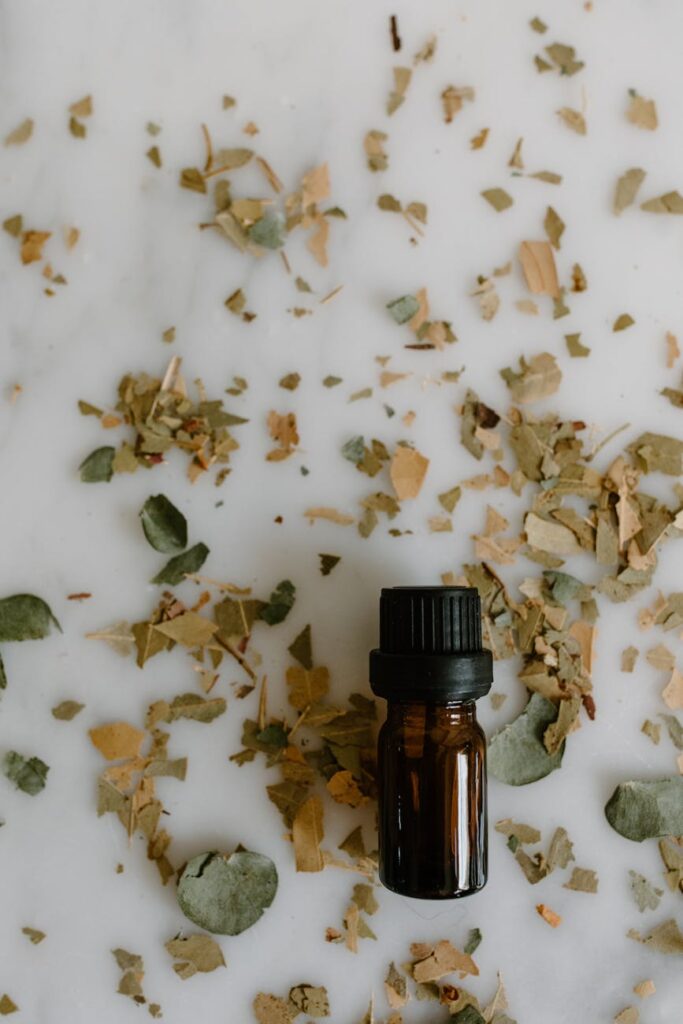
Benefits of Baobab Oil
Introduction
Baobab oil, derived from the seeds of the baobab tree (Adansonia digitata), has gained prominence in the world of natural skincare and aromatherapy. Often referred to as the “tree of life,” the baobab tree is native to Africa and is known for its longevity and ability to thrive in arid conditions. The oil extracted from its seeds is celebrated for its rich nutritional profile and versatility, making it a sought-after ingredient in beauty and wellness products. This article explores the benefits, common uses, and safety considerations of baobab oil, providing a comprehensive overview for those interested in its applications.
What Is Baobab Oil?
Baobab oil is cold-pressed from the seeds of the baobab fruit, which has a hard outer shell and is often referred to as “monkey bread” due to its popularity with local wildlife. The oil is light yellow to golden in color and has a slightly nutty aroma. Rich in essential fatty acids, vitamins, and antioxidants, baobab oil is frequently used in cosmetic formulations, culinary applications, and holistic practices.
Nutritional Profile
The nutritional composition of baobab oil is noteworthy. It contains:
- Fatty Acids: High levels of oleic acid (omega-9) and linoleic acid (omega-6), which are known for their moisturizing and nourishing properties.
- Vitamins: A rich source of vitamin A, vitamin D, and vitamin E, all of which contribute to skin health.
- Antioxidants: Contains phytosterols and polyphenols that help protect against oxidative stress.
- Moisturizers and Creams: Often included in lotions and creams for its hydrating benefits.
- Serums: Used as a base in facial serums for anti-aging and nourishing effects.
- Cleansers: Added to facial cleansers for gentle cleansing without stripping natural oils.
- Conditioners: Used in hair masks or conditioners to restore moisture and reduce frizz.
- Styling Products: A few drops can be applied to dry hair for added shine and manageability.
- Lavender: Known for its calming effects, lavender can enhance the relaxing properties of baobab oil.
- Tea Tree: Combining baobab oil with tea tree oil can create a soothing blend for skin irritations.
- Frankincense: This pairing may promote an uplifting atmosphere while providing skin benefits.
- Cool, Dark Place: Store baobab oil in a cool, dark place away from direct sunlight to prevent oxidation and degradation.
- Tightly Sealed Container: Keep the oil in a tightly sealed container to minimize exposure to air and moisture.
These components contribute to the oil’s multifunctional properties, making it beneficial for both skin and hair care.
Key Benefits and Properties
Baobab oil offers a range of benefits, primarily due to its rich composition. Some of the key benefits include:
1. Moisturizing Properties
Baobab oil is highly emollient, making it effective for hydrating dry skin. Its fatty acid profile allows for deep penetration, helping to restore moisture and improve skin texture.
2. Anti-Aging Effects
The antioxidants in baobab oil, including vitamins A and E, help combat oxidative stress, which is a major contributor to skin aging. Regular application can improve skin elasticity and reduce the appearance of fine lines and wrinkles.
3. Soothing Irritation
Baobab oil possesses anti-inflammatory properties that can help soothe skin irritation, redness, and conditions such as eczema. Its gentle nature makes it suitable for sensitive skin.
4. Promoting Hair Health
The nourishing qualities of baobab oil extend to hair care. It can help improve hair texture, reduce frizz, and promote shine, making it a popular ingredient in hair oils and conditioners.
5. Strengthening Nails
Due to its moisturizing properties, baobab oil can help strengthen nails and prevent brittleness. Regular application may contribute to overall nail health.
Common Uses
Baobab oil is versatile and can be used in various applications, including:
Skin Care
Hair Care
Culinary Uses
Although primarily known for its cosmetic applications, baobab oil can also be used in cooking. Its nutty flavor adds depth to dishes and it can be used as a salad dressing or drizzled over vegetables.
Aromatherapy Applications
In the realm of aromatherapy, baobab oil is valued for its calming and grounding properties. While it is not typically used as an essential oil, it can serve as a carrier oil for blending with essential oils.
Blending with Essential Oils
Baobab oil pairs well with a variety of essential oils, such as:
When using baobab oil in aromatherapy, it is important to dilute essential oils appropriately to ensure safe and effective use.
Safety Considerations
While baobab oil is generally regarded as safe for topical use, there are a few considerations to keep in mind:
1. Allergies
Individuals with nut allergies should exercise caution, as baobab oil is derived from seeds and may trigger allergic reactions in sensitive individuals. It is advisable to perform a patch test before applying the oil to larger areas of the skin.
2. Pregnancy and Nursing
Consulting with a healthcare professional before using baobab oil during pregnancy or while nursing is advisable, especially if it is being used in conjunction with other products.
3. Skin Sensitivity
Although baobab oil is known for its gentle properties, some individuals may experience skin sensitivity. If irritation occurs, discontinue use and consult a healthcare professional.
Storage and Shelf Life
To maintain the quality and efficacy of baobab oil, proper storage is essential. Here are some tips for storage and understanding its shelf life:
1. Storage Conditions
2. Shelf Life
Baobab oil typically has a shelf life of 1 to 2 years when stored properly. However, it is important to check for signs of rancidity, such as off-smells or changes in color before use.
Frequently Asked Questions
What is the source of baobab oil?
Baobab oil is extracted from the seeds of the baobab fruit, which grows on the baobab tree native to Africa.
Can baobab oil be used on all skin types?
Yes, baobab oil is generally suitable for all skin types, including sensitive skin. However, individuals with nut allergies should exercise caution.
How can baobab oil be incorporated into a skincare routine?
Baobab oil can be used as a moisturizer, added to serums, or incorporated into hair care products. It can also be blended with essential oils for aromatherapy.
Is baobab oil safe for cooking?
Yes, baobab oil can be used in culinary applications, such as salad dressings or drizzling over foods, due to its nutty flavor.
How do I know if baobab oil has gone bad?
Signs of rancidity include an off-smell, change in color, or an unusual texture. If any of these signs are present, it is best to discard the oil.
Conclusion
Baobab oil stands out as a versatile and beneficial oil in both skincare and culinary realms. Its rich nutrient profile, coupled with its moisturizing and anti-aging properties, makes it an exceptional addition to beauty regimens. As with any natural product, understanding its uses, benefits, and safety considerations is crucial for maximizing its potential. Whether used in a skincare routine, hair care, or culinary creations, baobab oil offers a wealth of advantages that contribute to overall wellness and beauty.