
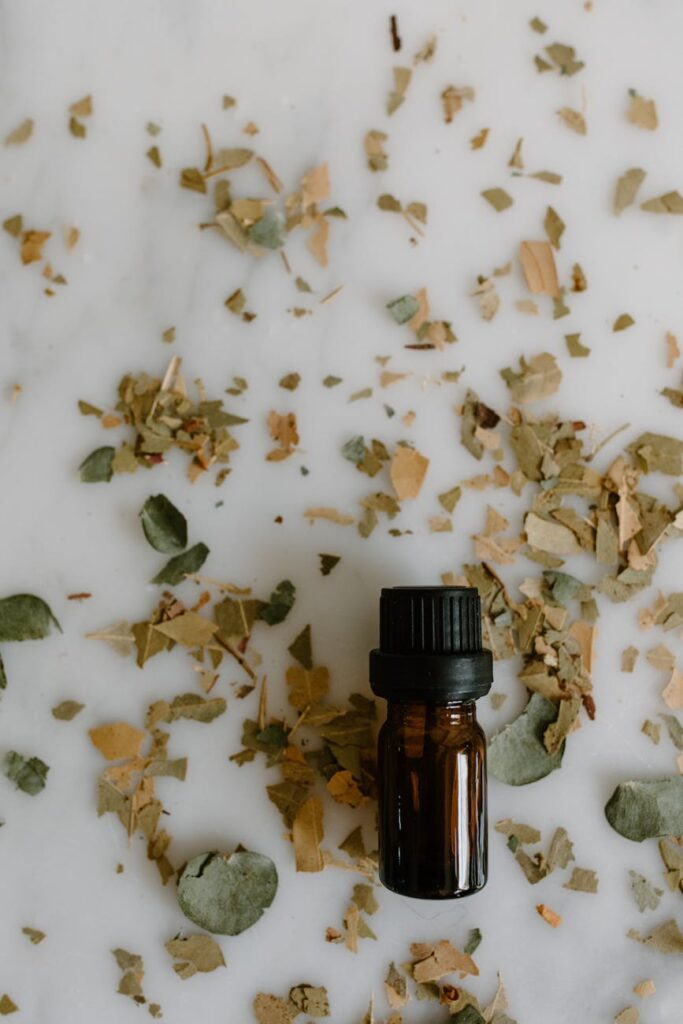
Benefits of Basil Oil
Introduction
Basil oil, derived from the leaves of the Ocimum basilicum plant, has been celebrated for centuries for its aromatic and therapeutic properties. This essential oil, known for its sweet, spicy, and herbaceous scent, has its origins in tropical regions of Asia and Africa but has since gained popularity worldwide. The oil is often used in culinary applications and traditional medicine, as well as in modern aromatherapy practices. This article delves into the properties, benefits, and uses of basil oil, providing a comprehensive understanding of its significance in holistic wellness.
What Is Basil Oil?
Basil oil is an essential oil extracted primarily through steam distillation from the leaves and flowers of the sweet basil plant. The extraction process captures the essence of the plant, resulting in an oil rich in various compounds, including linalool, eugenol, and methyl chavicol, which contribute to its distinctive aroma and health-promoting properties. Basil oil can vary in scent and potency depending on its geographical origin and cultivation methods, but it consistently embodies the characteristic warm and fresh notes of basil.
Key Benefits and Properties
Basil oil boasts a variety of potential benefits, many of which are attributed to its chemical composition. Some of the notable properties include:
1. Antimicrobial Activity
Basil oil has demonstrated antimicrobial properties, making it effective against a range of bacteria and fungi. This characteristic can support overall health by contributing to the maintenance of a balanced microflora.
2. Anti-inflammatory Effects
The oil contains compounds that may have anti-inflammatory effects, which can be beneficial for reducing inflammation-related discomfort and promoting general well-being.
3. Mood Enhancement
The uplifting scent of basil oil can positively affect mood. Aromatic compounds in the oil may help reduce feelings of stress and anxiety, promoting a sense of calm and clarity.
4. Antioxidant Properties
Basil oil is rich in antioxidants, which can help combat oxidative stress in the body. Antioxidants are vital for neutralizing free radicals and may contribute to long-term health.
5. Digestive Aid
Traditionally, basil oil has been used to alleviate digestive issues. Its properties may help ease discomfort and promote healthy digestion, although scientific evidence is still emerging.
Common Uses
Basil oil is versatile and can be utilized in various ways, including:
1. Culinary Use
In the culinary world, basil oil is prized for its flavor. It can be used to enhance sauces, dressings, and marinades. It also complements various dishes, from pasta to roasted vegetables, adding a fragrant twist.
2. Aromatherapy
As a staple in aromatherapy, basil oil is often used in diffusers or added to massage oils for its calming effects. Its aroma can create a soothing atmosphere, making it a popular choice for relaxation and meditation.
3. Skincare
Basil oil can be found in various skincare products due to its potential antibacterial and anti-inflammatory properties. It may help improve the appearance of skin and contribute to a healthy complexion.
4. Household Cleaner
Due to its antimicrobial properties, basil oil can be included in homemade cleaning products. Its pleasant scent also helps mask the odors associated with cleaning agents.
Aromatherapy Applications
In aromatherapy, basil oil is frequently used for its ability to promote mental clarity and emotional balance. Here are several applications:
1. Diffusion
Adding a few drops of basil oil to a diffuser can create a refreshing environment. It can help invigorate the mind and uplift the spirit, making it ideal for workspaces or study areas.
2. Topical Application
When diluted with a carrier oil, basil oil can be applied to pulse points or massaged into the skin. This method is often used to relieve tension or promote relaxation after a long day.
3. Bathing
Incorporating basil oil into a warm bath can create a luxurious and aromatic experience. A few drops added to bathwater can enhance relaxation and provide a soothing ambiance.
4. Inhalation
Inhaling the scent of basil oil directly from the bottle or by placing a few drops on a tissue can offer immediate relief from feelings of stress or fatigue.
Safety Considerations
While basil oil is generally regarded as safe when used appropriately, there are several important considerations to keep in mind:
1. Dilution
Basil oil should always be diluted with a carrier oil before topical application to prevent skin irritation. A common dilution ratio is 1-2 drops of essential oil per teaspoon of carrier oil.
2. Pregnancy and Nursing
Pregnant or nursing individuals should consult with a healthcare professional before using basil oil, as certain essential oils may have contraindications during these stages.
3. Allergic Reactions
As with any essential oil, it is advisable to perform a patch test before full application to check for any potential allergic reactions.
4. Interaction with Medications
Individuals taking medications or with existing health conditions should seek advice from a healthcare professional before using basil oil, as it may interact with certain treatments.
Storage and Shelf Life
To preserve the qualities of basil oil, proper storage is essential. Here are some tips:
1. Container
Store basil oil in a dark glass bottle to protect it from light exposure, which can degrade the oil over time.
2. Temperature
Keep the oil in a cool, dry place, away from direct sunlight and heat sources. Excessive heat can alter the oil’s chemical composition.
3. Shelf Life
When stored correctly, basil oil typically has a shelf life of about 1-3 years. However, it’s essential to check for changes in scent, consistency, or color, which may indicate that the oil has expired.
Frequently Asked Questions
1. Can basil oil be ingested?
While some essential oils are safe for culinary use, it is essential to consult with a qualified expert before ingesting basil oil. Not all essential oils are safe for consumption.
2. Is basil oil safe for children?
Basil oil can be used with caution around children, but it is vital to dilute it appropriately and consult with a healthcare professional for specific recommendations.
3. Can basil oil help with headaches?
Many people use basil oil for its calming properties, which may help alleviate tension headaches. However, individual experiences can vary, and it is not a substitute for professional medical treatment.
4. Is basil oil effective for insect repellent?
Basil oil may have insect-repelling properties due to its strong aroma. It can be used in homemade natural insect repellents, although effectiveness can vary.
Conclusion
Basil oil is a remarkable essential oil with a rich history and a wide range of applications. Its benefits extend from culinary uses to holistic practices, making it a valuable addition to any wellness routine. With proper understanding and application, basil oil can enhance both physical and emotional well-being, offering a fragrant touch to everyday life. Always remember to prioritize safety and consult with professionals when incorporating essential oils into your routine.