
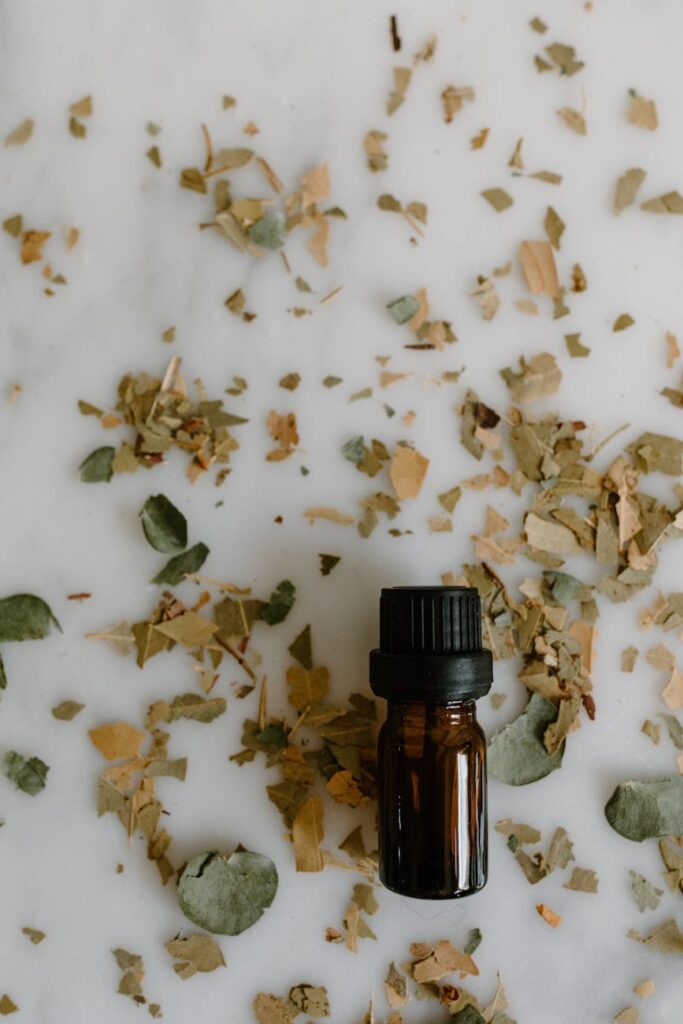
Benefits of Borage Oil
Introduction
Borage oil, derived from the seeds of the borage plant (Borago officinalis), is a popular oil in the realm of natural health and wellness. Known for its striking blue flowers and fuzzy leaves, borage has been utilized for centuries in various cultures for its potential benefits. This article aims to explore the characteristics, benefits, applications, and safety considerations of borage oil, providing a comprehensive overview for those interested in integrating this oil into their health and wellness routines.
What Is Borage Oil?
Borage oil is extracted from the seeds of the borage plant, a herbaceous plant native to the Mediterranean region but now cultivated in various parts of the world. The oil is rich in gamma-linolenic acid (GLA), an omega-6 fatty acid that plays a significant role in human health. GLA is often associated with anti-inflammatory properties and is thought to support skin health and hormonal balance.
Borage oil is typically cold-pressed to preserve its beneficial properties and is available in liquid form as well as in softgel capsules. Its light texture and mild flavor make it a versatile addition to various formulations, from dietary supplements to skincare products.
Key Benefits and Properties
Borage oil is celebrated for several key benefits and properties, primarily due to its high GLA content. Below are some of the notable aspects of borage oil:
1. Rich Source of Gamma-Linolenic Acid (GLA)
GLA is a polyunsaturated fatty acid that is essential for human health. It plays a crucial role in cellular health and has been studied for its potential benefits in supporting skin health and managing inflammation.
2. Anti-Inflammatory Properties
Research suggests that GLA may help reduce inflammation in the body. This can be particularly beneficial for those who may experience inflammatory conditions. Borage oil’s anti-inflammatory properties make it a popular choice among those seeking natural support for their wellness.
3. Skin Health Support
Borage oil is often used in skincare formulations due to its moisturizing and soothing properties. It is believed to help maintain skin hydration, reduce dryness, and improve overall skin texture. Some individuals report positive effects on conditions such as eczema and dermatitis.
4. Hormonal Balance
Some studies suggest that GLA may assist in maintaining hormonal balance, particularly for women experiencing premenstrual syndrome (PMS) symptoms. Borage oil is sometimes used as a natural remedy to support women’s health.
5. Heart Health
The omega-6 fatty acids in borage oil may contribute to cardiovascular health by promoting healthy cholesterol levels and supporting overall heart function. However, more research is needed to fully understand these benefits.
Common Uses
Borage oil can be used in a variety of ways, ranging from dietary supplements to topical applications. Some common uses include:
1. Dietary Supplement
Borage oil is often available in capsule form as a dietary supplement. It may be taken to support skin health, hormonal balance, and overall wellness.
2. Skincare Products
Many skincare products incorporate borage oil due to its moisturizing properties. It can be found in creams, lotions, serums, and oils designed to hydrate and nourish the skin.
3. Hair Care
Borage oil is sometimes included in hair care products to promote healthy hair growth and improve scalp health. Its moisturizing properties can help with dryness and brittleness.
4. Massage Oil
When diluted with a carrier oil, borage oil can be used in massage therapies for its potential soothing and anti-inflammatory effects.
Aromatherapy Applications
Although borage oil is not commonly used as an essential oil in aromatherapy, it can be incorporated into blends for topical applications. Here are some ways borage oil may be used in conjunction with aromatherapy:
1. DIY Skin Care Blends
Borage oil can be blended with essential oils such as lavender, chamomile, and geranium to create soothing skincare formulations. These blends may be applied to the skin to enhance hydration and promote a calming effect.
2. Massage Oil Blends
Combining borage oil with essential oils known for their calming properties, such as sandalwood or frankincense, can create an effective massage oil for relaxation and rejuvenation.
3. Balancing Blends
In aromatherapy, borage oil can be mixed with other carrier oils and essential oils to support hormonal balance, particularly during PMS or menopause.
Safety Considerations
While borage oil is generally considered safe for most individuals, there are a few safety considerations to keep in mind:
1. Allergic Reactions
Some individuals may experience allergic reactions to borage oil. It is advisable to perform a patch test before applying it to larger areas of the skin.
2. Pregnancy and Breastfeeding
Due to the lack of comprehensive studies, pregnant and breastfeeding women should consult a healthcare professional before using borage oil.
3. Interactions with Medications
Borage oil may interact with certain medications, particularly anticoagulants or blood thinners. It is essential to consult a healthcare provider if you are taking medications before using borage oil.
4. Quality of the Product
Choose high-quality borage oil from reputable sources to ensure it is free from contaminants and retains its beneficial properties.
Storage and Shelf Life
Storage is critical to maintaining the quality of borage oil. Here are some tips for proper storage:
1. Keep it Cool
Borage oil should be stored in a cool, dark place away from direct sunlight. Exposure to heat and light can degrade the oil and diminish its effectiveness.
2. Use Dark Glass Containers
If possible, purchase borage oil that comes in dark glass containers, as these provide better protection against light and can help extend the shelf life of the oil.
3. Refrigeration
For longer shelf life, consider refrigerating borage oil after opening. This can help preserve its freshness and prevent oxidation.
4. Check Expiration Dates
Always check the expiration date on the product packaging and refrain from using any oil that has surpassed its shelf life.
Frequently Asked Questions
1. Is borage oil the same as borage essential oil?
No, borage oil is extracted from the seeds of the borage plant, while essential oils are typically derived from the leaves, flowers, or stems through steam distillation or cold pressing. Borage oil is considered a carrier oil.
2. Can I use borage oil on my face?
Yes, borage oil can be used on the face, particularly for individuals with dry or sensitive skin. It is advisable to perform a patch test first to ensure no adverse reactions occur.
3. How much borage oil should I take?
Dosage can vary based on individual needs and product recommendations. Always follow the guidelines on the product packaging or consult with a healthcare provider for personalized advice.
4. Can borage oil help with acne?
Borage oil is known for its moisturizing and anti-inflammatory properties, which may benefit individuals with acne-prone skin. However, more research is needed to confirm its effectiveness in treating acne.
5. Is borage oil safe for children?
Consult a healthcare provider before using borage oil in children, as safety and dosage considerations may differ from those for adults.
Conclusion
Borage oil is a versatile oil with a rich profile of beneficial properties, particularly due to its high GLA content. While it is commonly used in skincare and as a dietary supplement, it is essential to approach its use with knowledge and care. By understanding its benefits, applications, and safety considerations, individuals can make informed choices about incorporating borage oil into their health and wellness routines.