
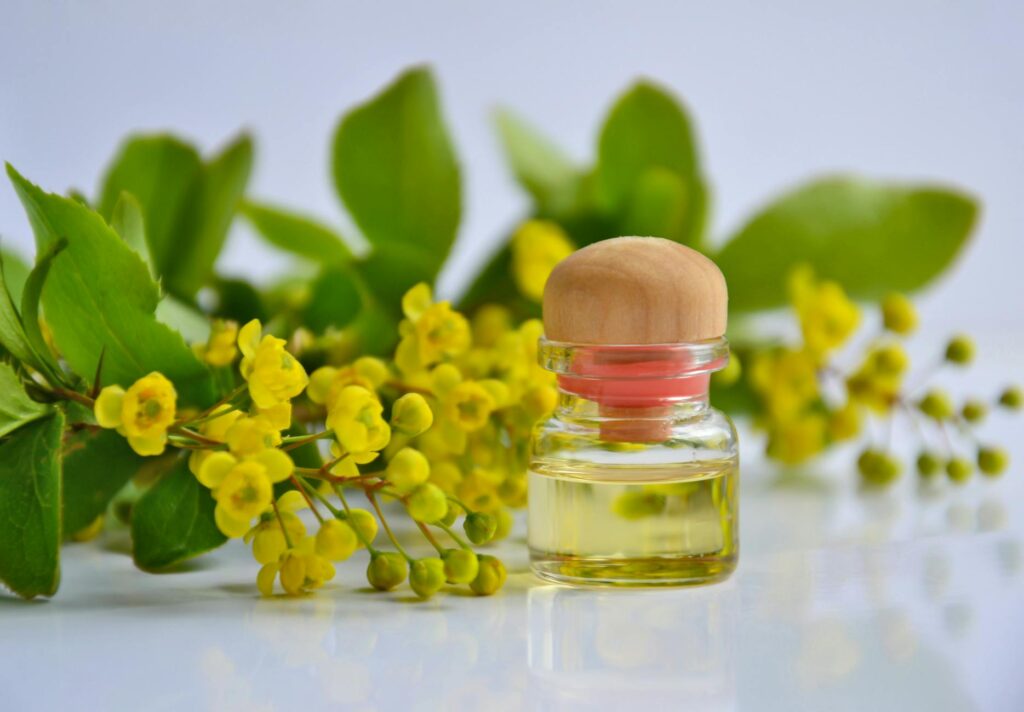
Benefits of Botanical Ingredients – Argan Oil
Introduction
Argan oil, derived from the nuts of the Argania spinosa tree native to Morocco, has gained significant attention in both the cosmetic and culinary worlds. Known for its rich nutrient profile and versatility, argan oil is often regarded as a superfood for the skin and hair. This article delves into the origins, benefits, and applications of argan oil, exploring its role in skincare, haircare, and aromatherapy.
What Is Botanical Ingredients – Argan Oil?
Argan oil is produced through a labor-intensive process that involves harvesting the nuts of the argan tree, roasting them lightly (in culinary varieties), and then cold-pressing them to extract the oil. The traditional methods of extraction have been passed down through generations, particularly among the Berber women of Morocco, who have mastered the craft.
The oil is rich in fatty acids, antioxidants, and vitamins, making it a valuable ingredient in various beauty and wellness products. Its composition primarily consists of oleic acid (about 43%), linoleic acid (about 36%), and a smaller proportion of palmitic acid, stearic acid, and other compounds.
Key Benefits and Properties
Nutrient-Rich Composition
Argan oil is packed with beneficial nutrients that contribute to its effectiveness:
- Fatty Acids: The high concentration of oleic and linoleic acids helps to nourish and hydrate the skin and hair. Oleic acid is known for its moisturizing properties, while linoleic acid can help maintain the skin’s barrier function.
- Vitamin E: A powerful antioxidant, vitamin E helps protect the skin against free radical damage, promoting a youthful appearance.
- Phenolic Compounds: These compounds possess anti-inflammatory and antioxidant properties, contributing to skin health and overall wellness.
- Moisturization: Its emollient properties make it an excellent moisturizer for all skin types, including oily and acne-prone skin. It absorbs quickly without leaving a greasy residue.
- Anti-Aging: The antioxidants present in argan oil can help reduce the appearance of fine lines and wrinkles, promoting a more youthful complexion.
- Healing Properties: Argon oil can aid in soothing irritated skin, reducing redness, and promoting healing for conditions such as eczema and psoriasis.
- Hydration: It helps to hydrate and soften hair, making it more manageable and reducing frizz.
- Damage Repair: The oil can help restore shine and strength to damaged hair, making it an ideal ingredient for conditioners and hair masks.
- Scalp Health: Massaging argan oil into the scalp can promote circulation and may help alleviate dryness and flakiness.
- Facial Oils: Often used as a standalone facial oil or as part of a blend, argan oil is ideal for daily skincare routines.
- Moisturizers: It can be found in creams and lotions, providing long-lasting hydration.
- Body Oils: Argan oil is frequently included in body oils for its nourishing properties.
- Shampoos and Conditioners: Many commercial haircare products incorporate argan oil to enhance moisturization and shine.
- Hair Treatments: Leave-in treatments and masks often feature argan oil as a key ingredient.
- Lavender and Argan Oil: A combination that promotes relaxation and skin soothing properties.
- Tea Tree Oil and Argan Oil: This blend can help address skin blemishes while providing nourishing benefits.
Skin Benefits
Argan oil is often hailed for its skin benefits, including:
Hair Benefits
When it comes to hair care, argan oil offers a myriad of advantages:
Common Uses
Argan oil is a versatile ingredient that can be used in a variety of applications:
Skincare Products
Haircare Products
Culinary Uses
In addition to its beauty applications, argan oil is used in cooking, particularly in Moroccan cuisine. It is often drizzled over salads, used as a dip for bread, or added to tagines for its nutty flavor.
Aromatherapy Applications
While argan oil is not typically used as an essential oil in aromatherapy, it can serve as a carrier oil for essential oil blends. Its light texture and skin-nourishing properties make it an excellent base for diluting essential oils, allowing for safe application on the skin.
Blending with Essential Oils
When combined with essential oils, argan oil can enhance the therapeutic effects of the blend. For instance:
Safety Considerations
Argan oil is generally considered safe for topical use. However, individuals with nut allergies should exercise caution, as argan oil is derived from nuts. It is advisable to conduct a patch test before using it extensively, especially for those with sensitive skin.
Allergic Reactions
While rare, some individuals may experience allergic reactions to argan oil. Symptoms may include redness, itching, or swelling. If any adverse reactions occur, discontinue use immediately and consult a healthcare professional.
Storage and Shelf Life
To maintain the quality of argan oil, proper storage is essential. It should be kept in a cool, dark place, away from direct sunlight. The oil is best stored in a dark glass bottle to minimize exposure to light, which can degrade its quality over time.
Shelf Life
When stored correctly, argan oil typically has a shelf life of about 12 to 24 months. It is advisable to check for any changes in color, smell, or texture before use, as these may indicate that the oil has gone rancid.
Frequently Asked Questions
1. Can argan oil be used on all skin types?
Yes, argan oil is suitable for all skin types, including oily, dry, and sensitive skin. Its lightweight nature allows it to absorb quickly without clogging pores.
2. Is argan oil safe for hair?
Absolutely! Argan oil is safe for all hair types and can help improve texture, shine, and overall health.
3. How should I incorporate argan oil into my skincare routine?
Argan oil can be applied directly to the skin as a facial oil or mixed with your regular moisturizer. It can also be used as a nighttime treatment or added to body lotion for enhanced hydration.
4. Can argan oil be used in cooking?
Yes, culinary-grade argan oil is safe for cooking and is often used in Moroccan dishes for its unique flavor. However, it should not be heated to high temperatures, as this can degrade its nutrients.
5. Where can I purchase high-quality argan oil?
High-quality argan oil can be found in health food stores, specialty beauty shops, and online retailers. Look for organic, cold-pressed varieties to ensure the best quality.
Conclusion
Argan oil stands out as a remarkable botanical ingredient, celebrated for its diverse applications in skincare, haircare, and culinary uses. With its rich nutrient profile and numerous benefits, argan oil has earned its place as a staple in beauty routines and kitchens worldwide. Whether used alone or as part of a blend, this versatile oil offers a wealth of advantages, making it a valuable addition to any wellness regimen.