
Benefits of Botanical Ingredients – Camellia Seed Oil
Introduction
In the realm of natural beauty and wellness, botanical ingredients have garnered significant attention for their multifaceted benefits. Among these, Camellia Seed Oil stands out as a versatile and nourishing oil derived from the seeds of the Camellia plant. This article delves into the origins, properties, benefits, and applications of Camellia Seed Oil, providing a comprehensive understanding of this remarkable botanical ingredient.
What Is Botanical Ingredients – Camellia Seed Oil?
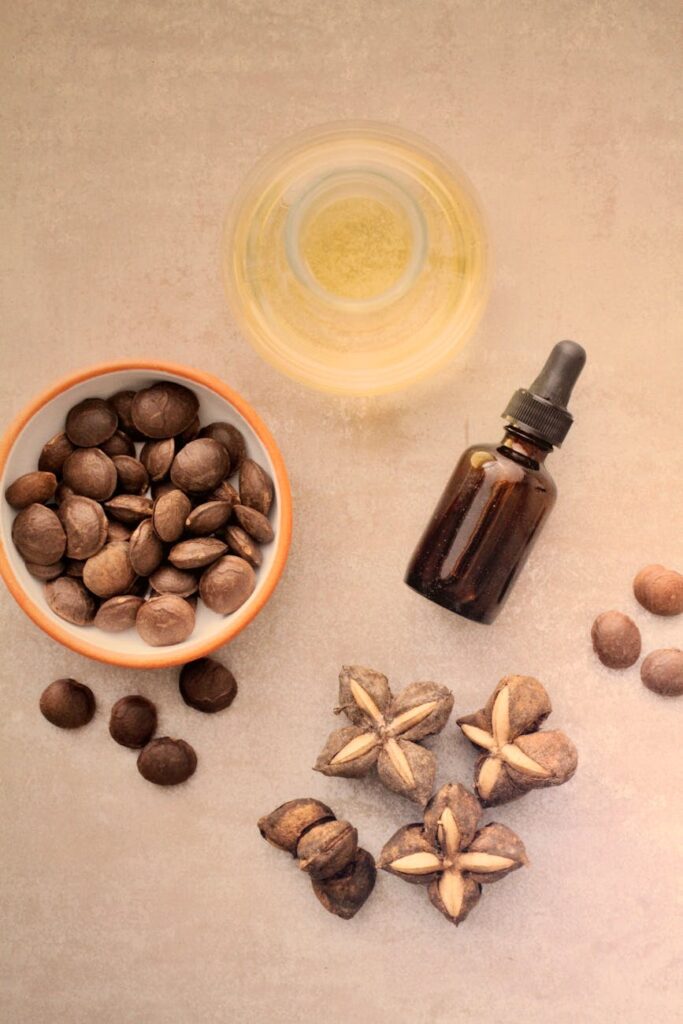
Camellia Seed Oil, also known as Camellia oil or tea seed oil, is extracted from the seeds of various species within the Camellia genus, primarily Camellia oleifera and Camellia sinensis. The oil has been used for centuries in East Asia, particularly in Japan and China, where it is valued for its culinary and cosmetic applications.
The extraction method typically involves cold-pressing the seeds, which helps retain the oil’s beneficial properties. Camellia Seed Oil is characterized by its light texture, subtle fragrance, and pale yellow color, making it an appealing choice for various formulations.
Key Benefits and Properties
Rich in Nutrients
Camellia Seed Oil is a powerhouse of nutrients, including:
- Fatty acids: It is notably high in oleic acid, which accounts for up to 80% of its composition. Oleic acid is known for its emollient properties, helping to moisturize and nourish the skin.
- Vitamins: The oil is rich in vitamins A, B, D, and E, which contribute to skin health and may help improve skin elasticity and reduce signs of aging.
- Antioxidants: Camellia Seed Oil contains antioxidants such as polyphenols and flavonoids, which help protect cells from oxidative stress and environmental damage.
- Moisturizers: Its lightweight texture makes it an ideal base for creams and lotions.
- Serums: Often included in facial serums for its nourishing and rejuvenating benefits.
- Cleansers: Its ability to dissolve makeup and impurities makes it a popular choice for oil-based cleansers.
- Shampoos and conditioners: To provide moisture and shine.
- Hair serums: For frizz control and enhanced manageability.
- Lavender: For relaxation and stress relief.
- Tea Tree: To support skin clarity and health.
- Frankincense: For its grounding properties and anti-aging benefits.
- A rancid or off smell.
- Changes in color or consistency.
- Development of an unusual texture.
Moisturizing Properties
Due to its high oleic acid content, Camellia Seed Oil is an excellent moisturizer. It penetrates the skin easily without leaving a greasy residue, making it suitable for all skin types, including oily and combination skin. Its moisturizing properties help maintain skin hydration and improve overall texture.
Anti-Inflammatory and Soothing
Camellia Seed Oil possesses anti-inflammatory properties, making it beneficial for calming irritated skin. It may help reduce redness and inflammation associated with conditions like eczema or psoriasis, providing relief and promoting healing.
Anti-Aging Benefits
The combination of vitamins and antioxidants in Camellia Seed Oil contributes to its anti-aging properties. Regular application may help reduce the appearance of fine lines and wrinkles, promoting a more youthful complexion. The oil’s ability to enhance skin elasticity further supports its role in anti-aging skincare.
Common Uses
Skincare
Camellia Seed Oil is widely used in skincare products, including:
Haircare
In haircare, Camellia Seed Oil is valued for its conditioning properties. It can be found in:
Culinary Uses
In some cultures, particularly in East Asia, Camellia Seed Oil is used as a cooking oil due to its high smoke point and neutral flavor. It is often used in salad dressings, marinades, and stir-frying.
Aromatherapy Applications
While Camellia Seed Oil itself does not have a strong aroma, it is often used as a carrier oil in aromatherapy. Its light texture allows it to effectively dilute essential oils, making them safe for topical application. When blended with essential oils, it can enhance their absorption into the skin while providing additional moisturizing benefits.
Blending with Essential Oils
Camellia Seed Oil can be mixed with a variety of essential oils depending on the desired therapeutic effect. Popular blends include:
Safety Considerations
Camellia Seed Oil is generally considered safe for topical use. However, as with any botanical ingredient, it is recommended to conduct a patch test before widespread application, especially for those with sensitive skin or allergies. If irritation occurs, discontinue use.
Allergies
While rare, some individuals may be allergic to Camellia Seed Oil. Those with known allergies to other plant oils should exercise caution and consult with a healthcare professional if unsure.
Pregnancy and Nursing
Although Camellia Seed Oil is often regarded as safe for topical application, pregnant or nursing individuals should consult with a healthcare provider before introducing any new products into their regimen.
Storage and Shelf Life
To maintain the quality and efficacy of Camellia Seed Oil, proper storage is essential. It should be kept in a cool, dark place, away from direct sunlight and heat. When stored correctly, the shelf life of Camellia Seed Oil is approximately 12 to 24 months.
Signs of Spoilage
Indicators that the oil may have gone bad include:
If any of these signs are present, it is best to discard the oil.
Frequently Asked Questions
1. Can Camellia Seed Oil be used on all skin types?
Yes, Camellia Seed Oil is suitable for all skin types due to its lightweight and non-greasy nature. It provides hydration without clogging pores, making it beneficial for oily, dry, and combination skin.
2. How can I incorporate Camellia Seed Oil into my skincare routine?
Camellia Seed Oil can be used as a moisturizer, a facial serum, or as part of an oil cleansing routine. It can be applied directly to the skin or mixed with other products for enhanced benefits.
3. Is Camellia Seed Oil safe for hair?
Absolutely! Camellia Seed Oil can be used on hair to improve moisture, shine, and manageability. It is especially effective for dry or frizzy hair.
4. Can I use Camellia Seed Oil in cooking?
Yes, Camellia Seed Oil is often used in culinary applications due to its high smoke point and neutral flavor. However, ensure you are using food-grade oil for cooking purposes.
5. Where can I buy Camellia Seed Oil?
Camellia Seed Oil is available at health food stores, specialty beauty shops, and online retailers. Always choose high-quality, cold-pressed oil for the best benefits.
Conclusion
Camellia Seed Oil is a remarkable botanical ingredient that offers a wealth of benefits for skincare, haircare, and culinary applications. Its nutrient-rich profile, coupled with its versatility, makes it a valuable addition to any natural beauty routine. By understanding its properties, uses, and safety considerations, individuals can harness the power of this oil to enhance their wellness and beauty practices. Whether used on its own or blended with other ingredients, Camellia Seed Oil remains a cherished component of holistic health and beauty.