
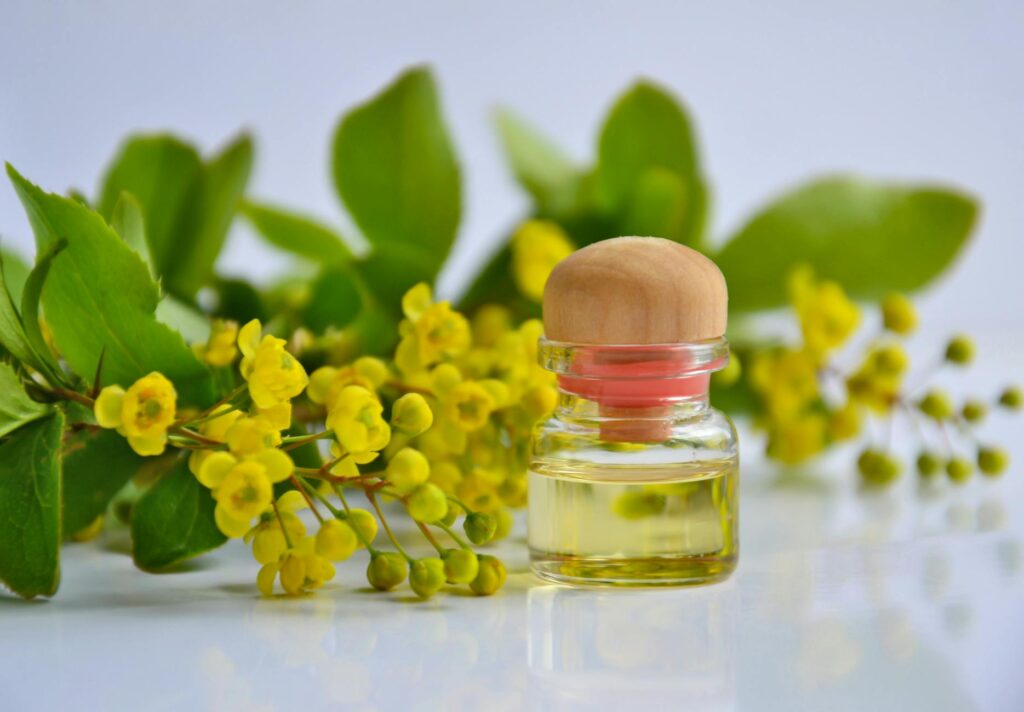
Benefits of Botanical Ingredients – Coconut Oil
Introduction
Coconut oil has transcended its traditional uses to become a staple ingredient in the beauty, health, and culinary industries. Extracted from the flesh of mature coconuts, this versatile oil is celebrated for its numerous benefits and applications. As a botanical ingredient, coconut oil embodies the essence of natural wellness, making it a favored choice for those seeking to integrate plant-based solutions into their daily routines. This article delves into the properties, benefits, and various uses of coconut oil, particularly in the context of aromatherapy and holistic practices.
What Is Botanical Ingredients – Coconut Oil?
Coconut oil is derived from the Cocos nucifera palm, which is native to tropical regions around the world. The process of extraction can vary, with two primary methods being cold-pressing and refining. Cold-pressed coconut oil retains more of the natural nutrients, while refined coconut oil undergoes additional processing to remove impurities and odor.
Coconut oil is composed primarily of saturated fats, particularly medium-chain triglycerides (MCTs), which are known for their unique metabolic properties. The oil is also rich in lauric acid, caprylic acid, and capric acid, which contribute to its antimicrobial and anti-inflammatory characteristics.
Key Benefits and Properties
Coconut oil boasts a wide array of benefits that can be attributed to its unique composition of fatty acids and antioxidants. Some of the key properties include:
Moisturizing
Coconut oil is an excellent moisturizer, renowned for its ability to hydrate and nourish the skin. Its fatty acids penetrate the skin barrier, helping to retain moisture and prevent dryness. This makes it particularly beneficial for individuals with dry or sensitive skin.
Antimicrobial
The lauric acid present in coconut oil has been shown to possess antimicrobial properties. It may help inhibit the growth of certain bacteria, viruses, and fungi, making it a popular natural remedy for skin infections and irritations.
Antioxidant
Coconut oil contains antioxidants that help combat oxidative stress in the body. These compounds can protect cells from damage caused by free radicals, contributing to overall health and wellness.
Anti-inflammatory
The anti-inflammatory properties of coconut oil can aid in reducing inflammation both internally and externally. This makes it a potential ally for soothing irritated skin and supporting overall skin health.
Nutrient-Rich
Coconut oil is a source of essential fatty acids, vitamins E and K, and other nutrients that can promote health and vitality. Its nutrient profile supports various bodily functions and can enhance overall well-being.
Common Uses
Coconut oil’s versatility makes it a popular ingredient across various domains:
Culinary Uses
Coconut oil is commonly used in cooking and baking due to its high smoke point, making it suitable for frying and sautéing. Its unique flavor can enhance dishes, particularly in Asian and tropical cuisines. Additionally, it serves as a dairy-free alternative for those following vegan or dairy-free diets.
Skincare
In the realm of skincare, coconut oil is often used as a moisturizer, makeup remover, and lip balm. Its emollient properties make it a popular choice for creating DIY skincare products.
Haircare
Coconut oil is frequently used as a hair treatment, helping to nourish and condition hair. It can reduce protein loss, prevent damage, and add shine, making it a favorite among those looking to improve hair health.
Oral Hygiene
Coconut oil has gained popularity in the practice of oil pulling, a traditional Ayurvedic practice aimed at promoting oral health. Swishing coconut oil in the mouth may help reduce harmful bacteria and improve overall oral hygiene.
Aromatherapy Applications
In aromatherapy, coconut oil serves as an excellent carrier oil, facilitating the dilution of essential oils for safe topical application. It enhances the absorption of essential oils into the skin while providing its own moisturizing benefits. Here are some applications of coconut oil in aromatherapy:
Blending with Essential Oils
Coconut oil can be blended with various essential oils to create personalized aromatherapy blends. For instance, combining coconut oil with lavender essential oil may yield a soothing blend suitable for relaxation and stress relief.
Massage Oil
Using coconut oil as a base for massage oil can enhance the experience, providing both hydration to the skin and the therapeutic benefits of the chosen essential oils. The warming properties of coconut oil can aid in relaxation during massage therapy.
Diffusion
While coconut oil is not typically used in diffusers, it can be applied topically after dilution with essential oils to enjoy the aromatic benefits of the oils directly on the skin.
Safety Considerations
While coconut oil is generally considered safe for most individuals, there are a few safety considerations to keep in mind:
Skin Sensitivity
Although coconut oil is often well-tolerated, some individuals may experience allergies or sensitivities. It is advisable to perform a patch test before applying it to larger areas of the skin, especially for those with sensitive skin.
Dietary Considerations
When using coconut oil for cooking, moderation is key. Its high saturated fat content means that it should be consumed as part of a balanced diet. Individuals with specific dietary restrictions or health concerns should consult with a healthcare professional before making significant dietary changes.
Essential Oil Dilution
When using coconut oil as a carrier for essential oils, proper dilution is essential. Following recommended dilution ratios ensures safe application and minimizes the risk of skin irritation.
Storage and Shelf Life
Coconut oil has a relatively long shelf life, typically lasting between 18 months to 2 years when stored properly. To maximize its longevity, consider the following storage tips:
Keep in a Cool, Dark Place
Heat and light can degrade the quality of coconut oil. Store it in a cool, dark cabinet or pantry to preserve its freshness.
Use Airtight Containers
If you purchase coconut oil in bulk, consider transferring it to smaller, airtight containers. This minimizes exposure to air and moisture, which can lead to rancidity.
Signs of Spoilage
Though coconut oil is known for its stability, it can still go rancid. Signs of spoilage include an off smell, discoloration, or a change in texture. When in doubt, it is best to discard any oil that appears questionable.
Frequently Asked Questions
1. Is coconut oil suitable for all skin types?
Coconut oil is generally suitable for most skin types, but those with oily or acne-prone skin should exercise caution, as it may clog pores in some individuals.
2. Can coconut oil be used for cooking?
Yes, coconut oil is safe for cooking and can be used in various culinary applications, including frying, baking, and sautéing.
3. How can I incorporate coconut oil into my skincare routine?
Coconut oil can be used as a moisturizer, makeup remover, or hair conditioner. It can also serve as a base for DIY skincare recipes.
4. What are the benefits of using coconut oil in aromatherapy?
Coconut oil acts as a carrier oil, enhancing the absorption of essential oils while providing moisturizing benefits. It can be used in massage oils or blended with essential oils for topical application.
5. How should I store coconut oil?
Store coconut oil in a cool, dark place in an airtight container to maintain its quality. It typically has a shelf life of 18 months to 2 years.
Conclusion
Coconut oil stands as a remarkable botanical ingredient with a wealth of applications and benefits. Its moisturizing, antimicrobial, and antioxidant properties make it an invaluable addition to both dietary and beauty routines. As more individuals seek natural alternatives for health and wellness, coconut oil continues to shine as a versatile and effective solution. Whether used in cooking, skincare, or aromatherapy, coconut oil exemplifies the power of nature’s offerings in enhancing our daily lives.