
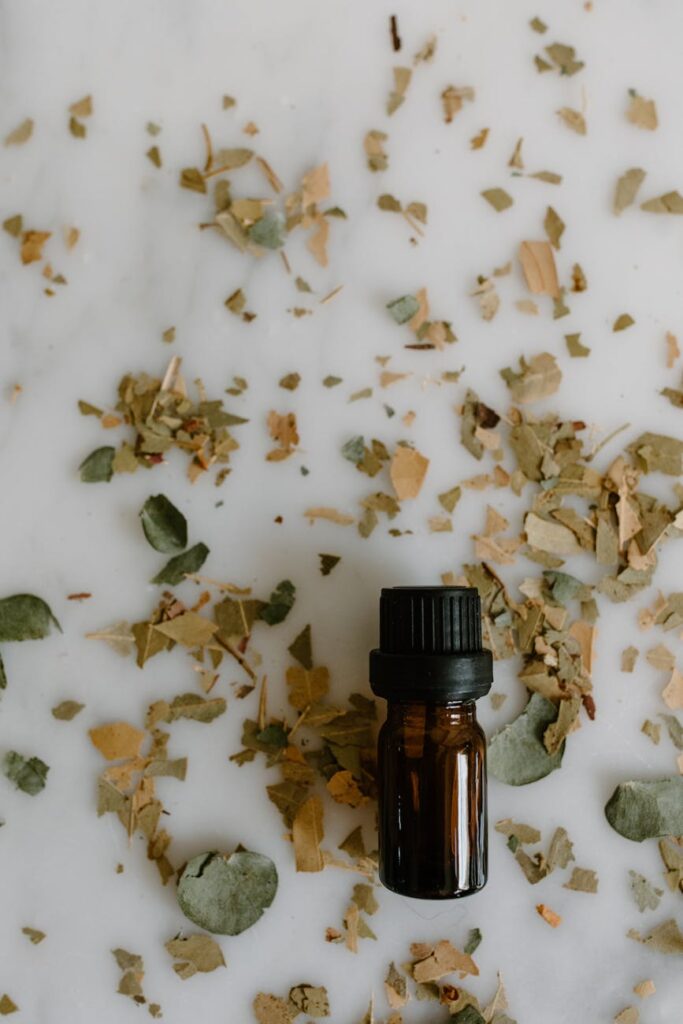
Benefits of Botanical Ingredients – Marigold Oil
Introduction
In recent years, the interest in natural remedies and holistic approaches to wellness has surged. Among the myriad of botanical ingredients available, marigold oil, derived from the vibrant marigold flower (Tagetes spp. and Calendula officinalis), has garnered attention for its diverse benefits and applications. This article explores the characteristics, advantages, and uses of marigold oil, providing a comprehensive overview for those interested in incorporating this botanical ingredient into their wellness routines.
What Is Botanical Ingredients – Marigold Oil?
Marigold oil is extracted from the flowers of the marigold plant, primarily through steam distillation or cold pressing. The two most commonly used varieties for oil extraction are Calendula officinalis, known as pot marigold, and Tagetes spp., commonly referred to as African marigold. Both types of marigold have a rich history in traditional medicine, cosmetics, and aromatherapy.
The oil boasts a bright, floral aroma and is often characterized by its vibrant orange to yellow hue, indicative of its high carotenoid content. This oil is appreciated not only for its fragrance but also for its array of beneficial properties, making it a valuable addition to personal care products and wellness practices.
Key Benefits and Properties
Marigold oil is known for several key properties that contribute to its popularity in various applications:
1. Anti-Inflammatory Properties
Marigold oil possesses anti-inflammatory attributes, which may help soothe irritated skin and reduce redness. This makes it a suitable option for individuals dealing with skin conditions or minor irritations.
2. Antimicrobial Activity
Research indicates that marigold oil may exhibit antimicrobial properties, making it beneficial for maintaining skin health. It can help inhibit the growth of certain bacteria and fungi, contributing to overall skin cleanliness.
3. Wound Healing
Traditionally, marigold oil has been used to support wound healing. Its potential to promote tissue regeneration and reduce inflammation may aid in the recovery of minor cuts and abrasions.
4. Moisturizing Qualities
Rich in fatty acids, marigold oil can serve as an effective moisturizer for dry skin. Its emollient properties help to lock in moisture, leaving the skin feeling soft and hydrated.
5. Antioxidant Properties
The presence of antioxidants in marigold oil aids in combating free radicals, which can contribute to premature aging and skin damage. This property makes it a popular ingredient in anti-aging formulations.
Common Uses
Marigold oil can be utilized in various ways, catering to different aspects of personal care and wellness:
1. Skin Care Products
Due to its soothing and moisturizing properties, marigold oil is frequently found in creams, lotions, and balms designed for sensitive or irritated skin. It is particularly beneficial in formulations for dry skin, eczema, and minor cuts.
2. Hair Care
Marigold oil can also be incorporated into hair care products. Its moisturizing qualities help to nourish dry or damaged hair, promoting overall hair health.
3. Massage Oil
When combined with a carrier oil, marigold oil makes an excellent choice for massage therapy. Its anti-inflammatory properties can help relax tense muscles and soothe discomfort.
4. Aromatherapy Blends
The floral scent of marigold oil lends itself well to aromatherapy practices. It can be blended with other essential oils to create calming and uplifting atmospheres.
Aromatherapy Applications
In the realm of aromatherapy, marigold oil is often used for its uplifting and calming effects. The following are some common applications:
1. Diffusion
Marigold oil can be added to a diffuser to fill a space with its soothing aroma. It may promote a sense of relaxation and tranquility, making it suitable for stressful environments.
2. Inhalation
Inhaling marigold oil directly from the bottle or through a personal inhaler can provide immediate sensory benefits. This practice is often used to alleviate feelings of anxiety or to enhance mood.
3. Topical Applications
When diluted with a carrier oil, marigold oil can be applied directly to the skin for localized benefits. This method is beneficial for targeting specific areas of irritation or discomfort.
Safety Considerations
While marigold oil is generally considered safe for topical use, certain precautions should be observed:
1. Patch Test
Before applying marigold oil to larger areas of the skin, it is advisable to perform a patch test. Apply a small amount of diluted oil to a discreet area and wait 24 hours to check for any adverse reactions.
2. Dilution
Marigold oil should be diluted with a carrier oil (such as jojoba or sweet almond oil) before topical application to minimize the risk of skin irritation.
3. Pregnancy and Nursing
Pregnant or nursing individuals should consult a healthcare professional before using marigold oil, as there is limited research on its safety in these populations.
4. Allergies
Individuals with known allergies to plants in the Asteraceae family (such as daisies or ragweed) may also be allergic to marigold oil. Caution is advised for anyone with such sensitivities.
Storage and Shelf Life
To maintain the quality of marigold oil, proper storage is essential:
1. Storage Conditions
Marigold oil should be stored in a cool, dark place, away from direct sunlight and heat sources. This helps to preserve its aromatic and therapeutic qualities.
2. Container Type
Using dark glass containers can further protect the oil from light exposure, which can degrade its quality over time.
3. Shelf Life
When stored correctly, marigold oil typically has a shelf life of about one to two years. However, it is advisable to check for any changes in color, aroma, or viscosity before use.
Frequently Asked Questions
1. Is marigold oil safe for all skin types?
While marigold oil is generally safe for most skin types, individuals with sensitive skin or allergies should perform a patch test first.
2. Can marigold oil be used for children?
Marigold oil can be used on children, but it should be heavily diluted with a carrier oil. Always consult a healthcare professional for specific concerns regarding children.
3. Can I use marigold oil in cooking?
Marigold oil is primarily used for topical applications and aromatherapy. It is not typically recommended for culinary use.
4. What is the difference between Calendula and Tagetes marigold oil?
Calendula (pot marigold) is often used for its skin-healing properties, while Tagetes (African marigold) is more commonly used in aromatherapy for its uplifting aroma. Both have unique benefits and applications.
5. Can marigold oil help with acne?
Marigold oil’s anti-inflammatory and antimicrobial properties may provide benefits for acne-prone skin, but individual results may vary. It should be used as part of a broader skincare routine.
Conclusion
Marigold oil stands out as a versatile botanical ingredient, offering numerous benefits for skin care, aromatherapy, and overall wellness. Its natural properties make it a valuable addition to both personal care products and holistic practices. By understanding its characteristics, uses, and safety considerations, individuals can effectively incorporate marigold oil into their routines to enjoy its myriad advantages. As with any botanical ingredient, personal experience may vary, and it is essential to approach its use with mindfulness and care.