
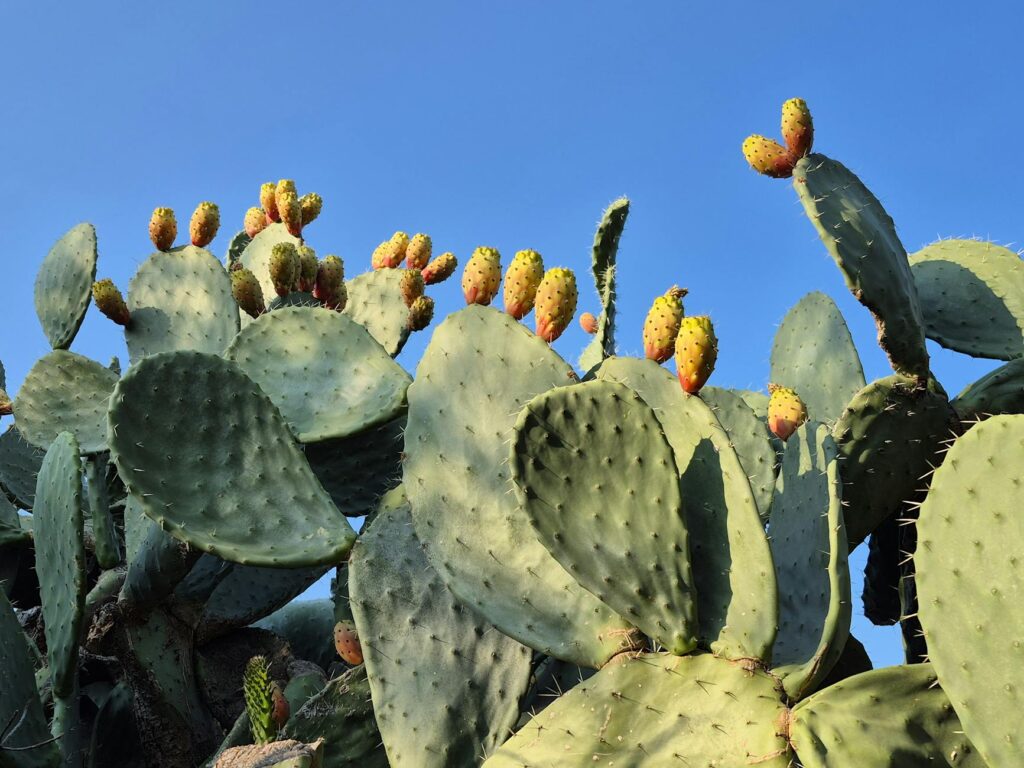
Benefits of Botanical Ingredients – Prickly Pear Seed Oil
Introduction
In the realm of natural beauty and holistic wellness, botanical ingredients have garnered significant attention for their myriad benefits. One such ingredient that has risen to prominence is prickly pear seed oil. Extracted from the seeds of the prickly pear cactus (Opuntia ficus-indica), this luxurious oil is celebrated for its exceptional nutrient profile and versatile applications. This article aims to explore the properties, benefits, and uses of prickly pear seed oil, making it a valuable addition to any wellness and beauty regimen.
What Is Botanical Ingredients – Prickly Pear Seed Oil?
Prickly pear seed oil, also known as barbarian fig oil or cactus seed oil, is a cold-pressed oil derived from the seeds of the prickly pear cactus. Native to regions such as Mexico and North Africa, the prickly pear cactus is known for its resilience in arid environments and its ability to thrive under harsh conditions. The seeds are tiny and require significant processing to extract their oil, which contributes to its higher cost compared to other oils.
Rich in essential fatty acids, vitamins, and antioxidants, prickly pear seed oil has gained popularity not only in skincare but also in culinary applications. Its unique composition makes it suitable for various uses, from moisturizing skin to enhancing culinary dishes.
Key Benefits and Properties
Nutrient-Rich Composition
Prickly pear seed oil is packed with beneficial compounds that contribute to its effectiveness:
- Fatty Acids: The oil contains a high concentration of linoleic acid (omega-6) and oleic acid (omega-9), which are essential for maintaining skin health and hydration.
- Vitamins: This oil is abundant in vitamin E, a potent antioxidant that helps protect skin cells from oxidative stress and supports skin renewal. It also contains vitamin K, which may help with skin tone and pigmentation.
- Antioxidants: The oil is rich in antioxidants such as betalains and flavonoids, which combat free radicals and can help in reducing signs of aging.
- Facial Oils: Used alone or mixed with other carrier oils, it provides hydration and nourishment.
- Moisturizers and Creams: Incorporated into creams to enhance their moisturizing capabilities.
- Serums: Added to serums for its anti-aging and skin-repairing properties.
- Hair Oils: Applied to the scalp and hair to promote shine and reduce frizz.
- Conditioners: Incorporated into conditioners for added hydration and nourishment.
- Lavender Oil: To promote relaxation and calmness.
- Frankincense Oil: For its skin-rejuvenating properties.
- Tea Tree Oil: To address acne-prone skin.
- Cool, Dark Place: Store the oil in a cool, dark place away from direct sunlight to prevent oxidation.
- Tightly Sealed: Ensure the bottle is tightly sealed to minimize exposure to air.
- Refrigeration: For extended shelf life, consider refrigerating the oil, although this is not always necessary.
Moisturizing and Hydrating
One of the standout properties of prickly pear seed oil is its ability to deeply moisturize and hydrate the skin. The oil is lightweight and absorbs quickly, making it suitable for various skin types, including oily and sensitive skin. Its emollient properties help to restore the skin’s natural barrier, locking in moisture and preventing transepidermal water loss.
Anti-Aging Effects
The combination of antioxidants and essential fatty acids in prickly pear seed oil contributes to its anti-aging benefits. Regular application may help reduce the appearance of fine lines and wrinkles, promote skin elasticity, and foster a youthful glow.
Soothing and Calming
Prickly pear seed oil possesses anti-inflammatory properties that can soothe irritated skin and reduce redness. It may be particularly beneficial for conditions such as eczema and psoriasis, where inflammation is a significant concern.
Common Uses
Skincare
Due to its moisturizing and nourishing properties, prickly pear seed oil is widely used in skincare formulations. It can be found in:
Hair Care
Prickly pear seed oil is also beneficial for hair health. It can be used in:
Culinary Uses
In culinary applications, prickly pear seed oil can be used as a dressing for salads or drizzled over vegetables. Its mild, nutty flavor makes it an excellent addition to various dishes, though it is best used cold to preserve its nutrient profile.
Aromatherapy Applications
While prickly pear seed oil is not commonly used as an essential oil in aromatherapy, it can be blended with essential oils for various applications. Its soothing and moisturizing properties make it an excellent carrier oil.
Blending with Essential Oils
When mixed with essential oils, prickly pear seed oil can enhance the therapeutic effects. For instance, it can be combined with:
Safety Considerations
Prickly pear seed oil is generally considered safe for topical use. However, as with any new ingredient, it is advisable to conduct a patch test before using it extensively, especially for those with sensitive skin or allergies.
Allergic Reactions
While rare, some individuals may experience allergic reactions. If any irritation, redness, or discomfort occurs, discontinue use immediately.
Pregnancy and Breastfeeding
Consultation with a healthcare professional is recommended for pregnant or breastfeeding individuals before incorporating new oils into their routine.
Storage and Shelf Life
To maintain the quality of prickly pear seed oil, proper storage is essential.
Storage Guidelines
Shelf Life
When stored correctly, prickly pear seed oil typically has a shelf life of 1 to 2 years. However, it is advisable to check for any changes in smell, color, or consistency before use.
Frequently Asked Questions
Is prickly pear seed oil suitable for all skin types?
Yes, prickly pear seed oil is lightweight and non-comedogenic, making it suitable for various skin types, including oily, dry, and sensitive skin.
Can prickly pear seed oil help with acne?
While prickly pear seed oil may not be a direct treatment for acne, its anti-inflammatory properties can help soothe irritated skin, and its non-comedogenic nature means it is less likely to clog pores.
How do I incorporate prickly pear seed oil into my skincare routine?
You can use prickly pear seed oil on its own as a facial oil, mix it with your favorite moisturizer, or add it to serums. It’s best applied after cleansing and toning for maximum absorption.
Is prickly pear seed oil edible?
Yes, prickly pear seed oil can be used in culinary applications for its mild flavor. However, it is primarily valued for its skincare benefits.
Where can I buy high-quality prickly pear seed oil?
Look for reputable brands that provide cold-pressed, organic prickly pear seed oil to ensure you are getting a high-quality product. Reading customer reviews and checking for third-party testing can also help in making informed purchasing decisions.
Conclusion
Prickly pear seed oil is a remarkable botanical ingredient that offers an array of benefits, from skincare to culinary applications. Its rich nutrient profile, combined with its moisturizing and soothing properties, makes it a valuable addition to both beauty and wellness routines. As the interest in natural ingredients continues to grow, prickly pear seed oil stands out as a versatile and effective option for those seeking to enhance their health and beauty regimens. By understanding its properties and uses, individuals can harness the power of this extraordinary oil to nourish their skin and overall well-being.