
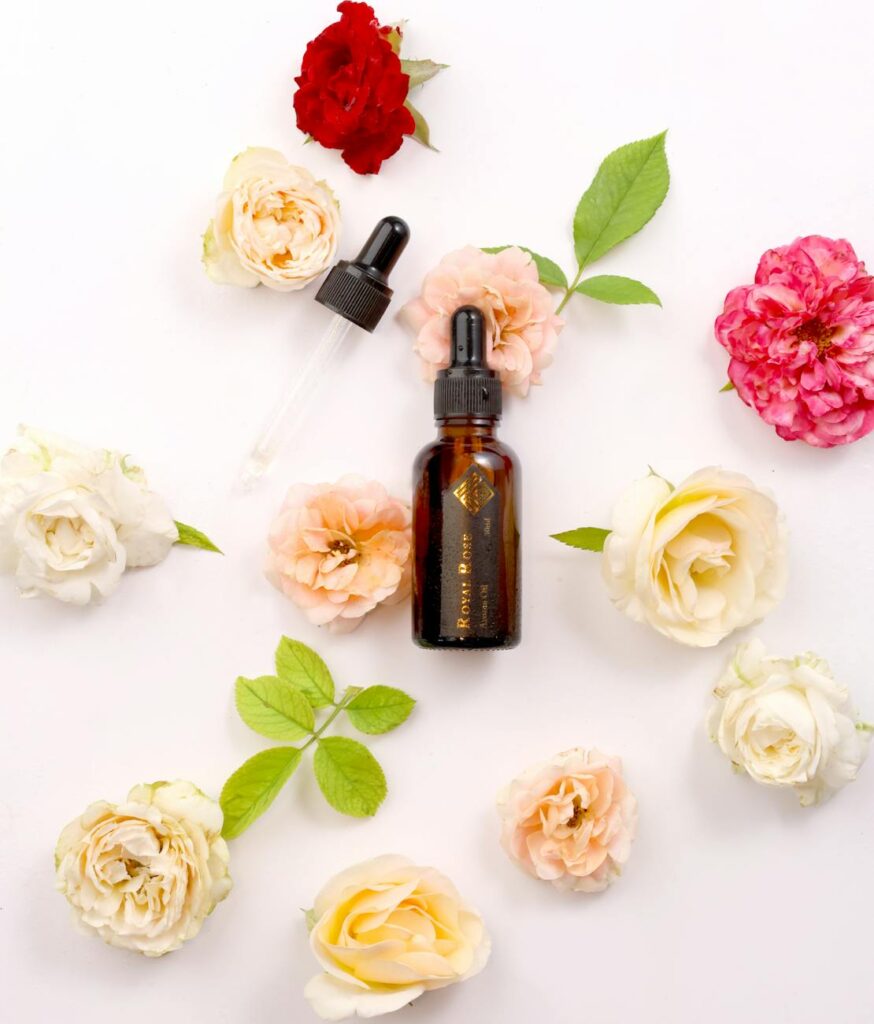
Benefits of Botanical Ingredients – Rose Oil
Introduction
Rose oil, an exquisite and richly aromatic essential oil extracted from the petals of the Rosa damascena (Damask rose) or Rosa centifolia (Cabbage rose), has been revered across cultures for centuries. Known for its captivating fragrance and myriad benefits, rose oil is a staple in the world of aromatherapy and natural skincare. This article explores the essence of rose oil, its properties, uses, and safety considerations, providing a comprehensive overview suitable for those interested in incorporating this botanical ingredient into their wellness practices.
What Is Botanical Ingredients – Rose Oil?
Rose oil is derived from the delicate petals of the rose flower, primarily through steam distillation or solvent extraction methods. The oil captures the floral essence and therapeutic properties of the rose, offering a complex blend of aromatic compounds that contribute to its unique scent and benefits. The extraction process is labor-intensive, requiring thousands of rose petals to produce just a small amount of oil, which is one reason why rose oil is often considered one of the most luxurious and sought-after essential oils.
Types of Rose Oil
1. Rose Otto (Attar of Roses): This is the steam-distilled form of rose oil, known for its high quality and deep floral aroma. It is often used in perfumes and high-end skincare products.
2. Rose Absolute: Obtained through solvent extraction, rose absolute has a more intense scent and is often used in perfumery due to its rich aromatic profile. It is typically more affordable than rose otto.
3. Rosehip Oil: While not technically an essential oil, rosehip oil is extracted from the seeds of the rose plant and is rich in vitamins and fatty acids, making it popular in skincare.
Key Benefits and Properties
Rose oil is celebrated for its multifaceted benefits, which can be attributed to its rich chemical composition, including:
1. Antioxidant Properties: Rose oil contains various antioxidants that help combat oxidative stress, making it beneficial in skincare formulations aimed at reducing the signs of aging.
2. Mood Enhancement: The uplifting aroma of rose oil is believed to have mood-lifting properties, potentially alleviating stress and anxiety while promoting feelings of well-being.
3. Anti-inflammatory Effects: Rose oil may help reduce inflammation, making it suitable for soothing skin irritations and supporting overall skin health.
4. Antimicrobial Activity: Some studies suggest that rose oil has antimicrobial properties, which can contribute to skin cleansing and protection.
5. Hormonal Balance: The oil is often associated with hormonal regulation, particularly in women, making it a popular choice for emotional and physical support during various life stages.
Common Uses
Rose oil is versatile and can be used in several applications, including:
1. Skincare: Known for its hydrating and anti-aging properties, rose oil is commonly found in serums, moisturizers, and facial oils. It is often used to soothe dry or sensitive skin.
2. Perfume and Fragrance: The sweet and floral aroma of rose oil makes it a popular ingredient in perfumes and scented products.
3. Hair Care: Rose oil can be used in hair treatments to enhance shine and nourish the scalp.
4. Bath Products: Bath oils and salts often incorporate rose oil for its aromatic benefits and skin-soothing properties.
5. Candles and Diffusers: The calming scent of rose oil is frequently used in home fragrance products to create a serene atmosphere.
Aromatherapy Applications
In the realm of aromatherapy, rose oil is utilized for its emotional and psychological benefits. When inhaled or diffused, the fragrance of rose oil can evoke feelings of happiness, calm, and relaxation. Common applications include:
1. Diffusion: Adding a few drops of rose oil to a diffuser can create a soothing environment, ideal for meditation or unwinding after a long day.
2. Massage: Rose oil is often blended with carrier oils for use in massage therapy, helping to enhance relaxation and emotional balance.
3. Inhalation: Simple inhalation techniques, such as placing a drop on a tissue or using an inhaler, can provide immediate stress relief and emotional support.
4. Bathing Rituals: Adding rose oil to bathwater can enhance the bathing experience, promoting relaxation and rejuvenation.
Safety Considerations
While rose oil is generally regarded as safe for topical use and aromatherapy, several safety considerations should be kept in mind:
1. Dilution: Always dilute rose oil with a suitable carrier oil before applying it to the skin to minimize the risk of irritation or allergic reactions.
2. Patch Test: Conduct a patch test on a small skin area prior to widespread use to check for any adverse reactions.
3. Pregnancy and Nursing: Pregnant or nursing individuals should consult with a qualified healthcare practitioner before using rose oil, as its effects during these stages are not thoroughly studied.
4. Quality of Oil: Ensure that the rose oil is of high quality and free from synthetic additives. Look for reputable brands that provide information about sourcing and extraction methods.
5. Contraindications: Individuals with specific allergies or sensitivities should exercise caution and consult a professional before using rose oil.
Storage and Shelf Life
Proper storage of rose oil is essential to maintain its quality and efficacy. Follow these guidelines:
1. Sealed Container: Store rose oil in a tightly sealed, dark glass container to protect it from light and air exposure, which can degrade its quality.
2. Cool, Dark Place: Keep the oil in a cool, dark place, such as a cupboard or drawer, away from direct sunlight and heat sources.
3. Shelf Life: Generally, rose oil has a shelf life of 1 to 3 years, depending on the extraction method and storage conditions. Check for any changes in aroma or consistency, which may indicate that the oil has gone rancid.
Frequently Asked Questions
1. Can rose oil be used on all skin types?
Rose oil is generally suitable for most skin types, including dry and sensitive skin. However, individuals with specific allergies or skin conditions should conduct a patch test and consult a professional if unsure.
2. How can I incorporate rose oil into my skincare routine?
You can add rose oil to your daily skincare routine by mixing a few drops with your moisturizer or serum, using it in a facial steam, or applying it as part of a night oil treatment.
3. Is rose oil safe for children?
Rose oil can be used around children, but it is essential to dilute it properly and consult with a healthcare professional for age-appropriate usage guidelines.
4. Can rose oil help with mood swings?
While rose oil is often associated with emotional balance and relaxation, individual responses may vary. It may be beneficial to use rose oil in aromatherapy practices to help create a calming environment.
5. How do I know if I’m purchasing high-quality rose oil?
Look for reputable brands that provide information about the sourcing and extraction methods of their rose oil. Opt for organic or wild-crafted varieties when possible, and check for certifications or third-party testing.
Conclusion
Rose oil is a remarkable botanical ingredient celebrated for its enchanting aroma and diverse benefits. From its use in skincare to its applications in aromatherapy, rose oil continues to capture the hearts of those seeking natural wellness solutions. By understanding its properties, uses, and safety considerations, individuals can incorporate this luxurious oil into their daily routines, enriching their lives with the beauty and essence of the rose.