
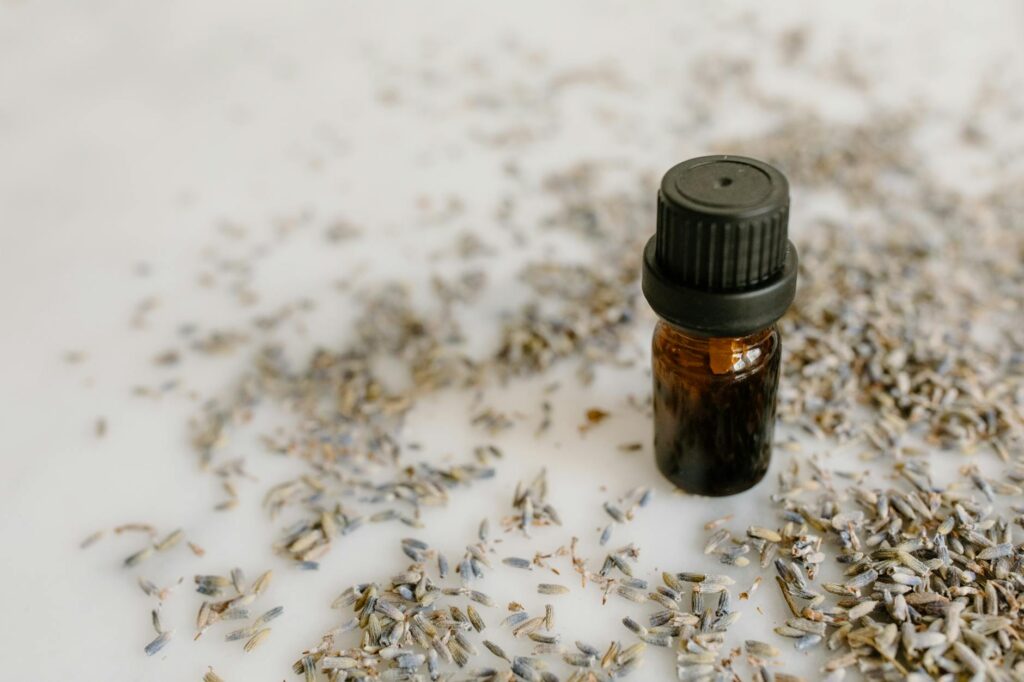
Benefits of Botanical Ingredients – Sea Buckthorn Oil
Introduction
In the realm of natural health and wellness, botanical ingredients have gained considerable attention for their diverse applications and potential benefits. Among these, sea buckthorn oil stands out due to its rich nutritional profile and versatile uses. Derived from the berries, seeds, and leaves of the sea buckthorn plant (Hippophae rhamnoides), this oil has been utilized in traditional medicine and beauty products for centuries. This article delves into the characteristics, benefits, applications, and safety considerations of sea buckthorn oil.
What Is Botanical Ingredients – Sea Buckthorn Oil?
Sea buckthorn oil is extracted from the small, orange berries of the sea buckthorn plant, native to Europe and Asia. The oil can be categorized into two main types: berry oil and seed oil. Berry oil is rich in vitamins, antioxidants, and essential fatty acids, while seed oil contains a higher concentration of omega-3, omega-6, and omega-9 fatty acids.
The extraction process typically involves cold-pressing, which helps retain the oil’s beneficial properties. The oil is characterized by its vibrant orange color, a result of the high carotenoid content, and its distinctive, slightly fruity aroma.
Key Benefits and Properties
Nutrient-Rich Composition
Sea buckthorn oil is celebrated for its nutrient-dense profile, which includes:
- Vitamins: A, C, and E—essential for skin health, immune function, and cellular repair.
- Fatty Acids: Omega-3, omega-6, omega-7, and omega-9 fatty acids, which contribute to skin hydration and overall health.
- Antioxidants: Carotenoids, flavonoids, and tocopherols that help combat oxidative stress and support cellular health.
- Allergy Test: It is advisable to conduct a patch test when using the oil for the first time to ensure no allergic reactions occur.
- Pregnancy and Nursing: As with any supplement or topical product, pregnant or nursing individuals should consult a healthcare professional before use.
- Interaction with Medications: Those taking medications or with underlying health conditions should consult a healthcare provider prior to incorporating sea buckthorn oil into their routine.
- Cool, Dark Place: Store the oil in a cool, dark location to prevent oxidation and degradation.
- Sealed Container: Ensure the container is tightly sealed to minimize exposure to air and light.
- Shelf Life: Typically, sea buckthorn oil has a shelf life of 1 to 2 years when stored properly. Check for changes in color, odor, or consistency, which may indicate spoilage.
Skin Health
One of the most prominent benefits of sea buckthorn oil is its positive impact on skin health. Its anti-inflammatory and antioxidant properties can help soothe irritation, reduce redness, and promote healing. The fatty acids in the oil provide hydration, making it beneficial for dry or damaged skin.
Immune Support
The vitamins and antioxidants in sea buckthorn oil may help bolster the immune system, supporting the body’s defense mechanisms against pathogens. This property has made it a popular choice in traditional medicine practices.
Digestive Health
Some research suggests that sea buckthorn oil can support digestive health by promoting a healthy gut lining and reducing inflammation in the gastrointestinal tract. The presence of omega-7 fatty acids is particularly noted for this benefit.
Cardiovascular Health
The oil’s beneficial fatty acids are believed to support heart health by promoting healthy cholesterol levels and improving blood circulation. Its antioxidant content may also contribute to cardiovascular wellness.
Common Uses
Sea buckthorn oil is versatile and can be used in various applications, including:
Skincare Products
Often incorporated into creams, serums, and lotions, sea buckthorn oil is valued for its ability to moisturize, repair, and rejuvenate the skin. Its anti-aging properties make it a popular ingredient in cosmetic formulations.
Dietary Supplements
Available in capsule or liquid form, sea buckthorn oil is often consumed as a dietary supplement for its potential health benefits, including immune support and skin health.
Hair Care
Used in shampoos and conditioners, sea buckthorn oil can nourish and strengthen hair, promoting shine and reducing dryness.
Culinary Uses
In some cultures, sea buckthorn oil is used in food, adding a unique flavor while providing nutritional benefits. It is often used in salad dressings, smoothies, and health bars.
Aromatherapy Applications
In the field of aromatherapy, sea buckthorn oil is valued not just for its physical properties but also for its aromatic qualities. While it may not be as commonly used as essential oils, it can still play a role in holistic practices:
Massage Oils
When blended with carrier oils, sea buckthorn oil can be used in massage therapy, providing nourishment to the skin while promoting relaxation and stress relief.
Skin Care Blends
In aromatherapy skincare formulations, sea buckthorn oil can be combined with essential oils such as lavender or tea tree to create soothing and healing blends.
Inhalation
Though not typically used in diffusers due to its density and texture, sea buckthorn oil can be used in inhalation practices when diluted properly, offering its benefits through the respiratory system.
Safety Considerations
While sea buckthorn oil is generally considered safe for topical and dietary use, a few precautions should be taken:
Storage and Shelf Life
Proper storage is essential for maintaining the quality and efficacy of sea buckthorn oil. Here are some tips:
Frequently Asked Questions
1. Can sea buckthorn oil be used on all skin types?
Yes, sea buckthorn oil is generally suitable for various skin types, including sensitive skin. However, individuals with specific allergies or conditions should consult a dermatologist before use.
2. How can I incorporate sea buckthorn oil into my skincare routine?
You can add a few drops of sea buckthorn oil to your moisturizer, use it as a standalone serum, or blend it with other essential oils for a customized skincare treatment.
3. Is sea buckthorn oil safe for ingestion?
Sea buckthorn oil is often available in supplement form and is generally considered safe for consumption. However, it is advisable to follow dosage recommendations and consult a healthcare provider for personalized advice.
4. Can sea buckthorn oil help with acne?
While sea buckthorn oil’s anti-inflammatory properties may benefit acne-prone skin, individual results may vary. A consultation with a skincare professional is recommended for tailored advice.
5. Where can I purchase high-quality sea buckthorn oil?
High-quality sea buckthorn oil can be found in health food stores, online retailers, and specialty shops that focus on natural and organic products. Always check for purity and sourcing to ensure quality.
Conclusion
Sea buckthorn oil is a remarkable botanical ingredient with a wide array of potential benefits. From supporting skin health to promoting overall wellness, its nutrient-rich composition makes it a valuable addition to both personal care and dietary practices. As with any natural product, understanding its properties, uses, and safety considerations is essential for maximizing its benefits while ensuring a holistic approach to health and wellness.