
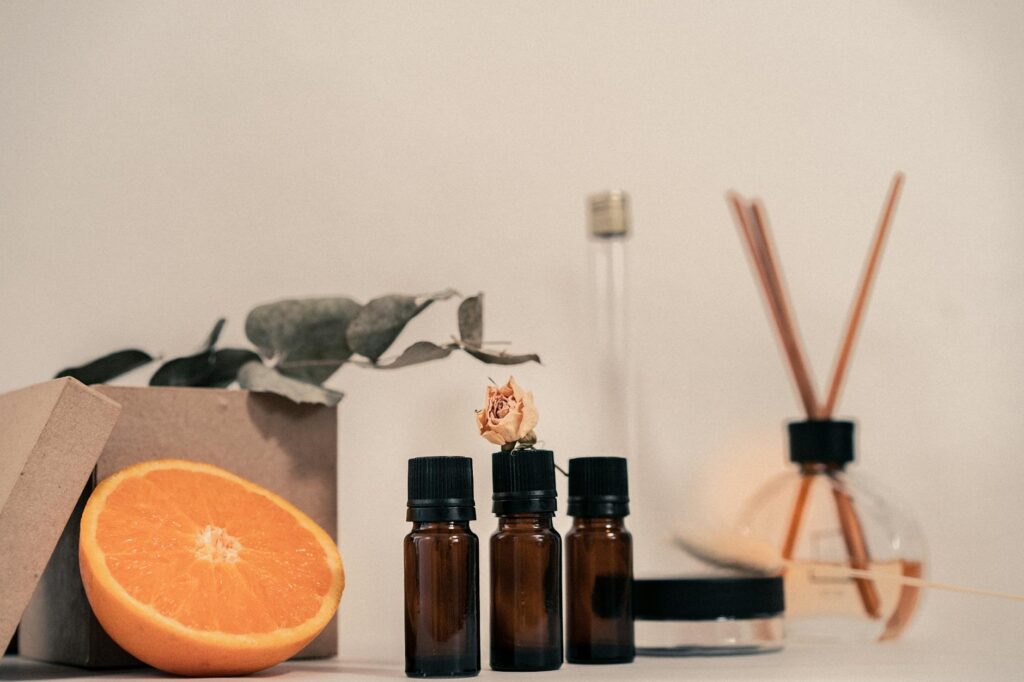
Benefits of Botanical Ingredients – Sweet Orange Oil
Introduction
In the realm of natural wellness, botanical ingredients have gained remarkable popularity due to their diverse applications and benefits. Among these, sweet orange oil stands out for its uplifting aroma and versatile uses. Extracted from the peels of the sweet orange fruit (Citrus sinensis), this essential oil is a staple in both aromatherapy and natural skincare. This article delves into the characteristics, benefits, and various applications of sweet orange oil, providing a comprehensive overview for those interested in harnessing the power of botanical ingredients.
What Is Botanical Ingredients – Sweet Orange Oil?
Sweet orange oil is derived from the cold-press extraction of the peels of ripe sweet oranges. The process involves mechanically pressing the zest to release the essential oil, which captures the fruit’s vibrant aroma and beneficial properties. Known for its bright, citrusy scent, sweet orange oil is characterized by its cheerful and invigorating fragrance, making it a popular choice in both personal care and household products.
The sweet orange tree is native to Southeast Asia but is now cultivated in many parts of the world, including the Americas and Mediterranean regions. The oil itself is rich in various compounds, primarily limonene, which is responsible for its refreshing scent and many of its therapeutic benefits.
Key Benefits and Properties
Sweet orange oil is celebrated for its numerous beneficial properties, making it a valuable addition to any natural wellness routine. Here are some of its key benefits:
1. Uplifting Aroma
The most notable characteristic of sweet orange oil is its cheerful fragrance. The scent is known to evoke feelings of happiness and positivity, making it an excellent choice for combating stress and anxiety.
2. Antioxidant Properties
Sweet orange oil contains potent antioxidants, which help neutralize free radicals in the body. This property can contribute to overall skin health and support the body’s natural defense system.
3. Anti-inflammatory Effects
Research suggests that components in sweet orange oil may exhibit anti-inflammatory properties, which can be beneficial for soothing minor irritations and promoting skin comfort.
4. Antimicrobial Activity
Sweet orange oil has demonstrated antimicrobial effects, making it useful in purifying the air and keeping surfaces clean. This property also makes it a popular ingredient in natural cleaning products.
5. Digestive Support
Although not a substitute for medical treatment, sweet orange oil is sometimes associated with digestive benefits when used in appropriate applications, such as in massage blends.
Common Uses
Sweet orange oil is incredibly versatile and can be used in various ways, including:
1. Aromatherapy
Sweet orange oil is frequently used in diffusers, potpourri, and candles to create an uplifting atmosphere. Its bright scent can enhance mood and promote relaxation.
2. Skincare
Due to its antioxidant and anti-inflammatory properties, sweet orange oil is often incorporated into skincare products. It can be found in creams, lotions, and serums designed to promote healthy, glowing skin.
3. Cleaning Products
Thanks to its antimicrobial properties, sweet orange oil is a popular ingredient in natural cleaning solutions. It can be added to homemade cleaners to enhance their effectiveness and leave a refreshing scent.
4. Culinary Uses
In culinary contexts, sweet orange oil can be used to flavor dishes, desserts, and beverages. However, it is essential to ensure the oil is food-grade if intended for consumption.
5. Massage Oils
When blended with a carrier oil, sweet orange oil can enhance massage experiences by providing a soothing and aromatic environment.
Aromatherapy Applications
1. Mood Enhancement
Sweet orange oil is often employed in aromatherapy to uplift the spirit and alleviate feelings of stress and anxiety. Inhalation of the oil can stimulate feelings of joy and relaxation, making it ideal for use during meditation or yoga practices.
2. Diffusion
Using a diffuser, sweet orange oil can fill a space with its invigorating aroma. A few drops added to a diffuser can create a refreshing ambiance suitable for work or leisure.
3. Bathing
Adding sweet orange oil to bathwater can transform a simple bath into a luxurious aromatherapy experience. The oil’s scent can enhance relaxation while providing skin benefits.
4. Inhalation
For immediate mood enhancement, sweet orange oil can be inhaled directly from the bottle or applied to a tissue for a quick aromatic experience.
Safety Considerations
While sweet orange oil is generally regarded as safe for most individuals, it is essential to consider the following safety precautions:
1. Patch Test
Before using sweet orange oil on the skin, a patch test is recommended to check for any allergic reactions or sensitivities.
2. Dilution
When applying sweet orange oil topically, it should be diluted with a carrier oil to prevent skin irritation. A common dilution ratio is 2-3 drops of essential oil per teaspoon of carrier oil.
3. Photosensitivity
Citrus oils, including sweet orange oil, may cause photosensitivity, increasing the risk of sunburn when applied to the skin before sun exposure. It is advisable to avoid sunlight for at least 12 hours after application.
4. Pregnancy and Nursing
While sweet orange oil is generally considered safe, pregnant or nursing individuals should consult with a healthcare professional before use.
Storage and Shelf Life
Proper storage of sweet orange oil is crucial for maintaining its quality and potency. Here are some guidelines:
1. Storage Conditions
Store sweet orange oil in a cool, dark place, away from direct sunlight and heat sources. A cabinet or drawer is ideal for preserving its properties.
2. Container
Keep the oil in a tightly sealed, dark glass bottle to protect it from light exposure and air degradation. Avoid plastic containers, as they may interact with the oil.
3. Shelf Life
When stored correctly, sweet orange oil typically has a shelf life of about 1-2 years. However, it is advisable to check for any changes in scent or consistency before use, as these may indicate that the oil has degraded.
Frequently Asked Questions
1. Can sweet orange oil be ingested?
While sweet orange oil can be used in food preparation, it is vital to ensure that it is food-grade and consult with a knowledgeable source before ingestion.
2. Is sweet orange oil safe for children?
Sweet orange oil can be used with children but should be diluted appropriately. It is advisable to consult with a healthcare professional for specific guidelines based on the child’s age and health.
3. Can sweet orange oil help with anxiety?
Many people find the uplifting scent of sweet orange oil beneficial for enhancing mood and reducing feelings of anxiety. However, it is not a substitute for professional treatment.
4. Can I use sweet orange oil during pregnancy?
Pregnant individuals should consult with a healthcare professional before using sweet orange oil or any essential oils.
5. How do I incorporate sweet orange oil into my skincare routine?
Sweet orange oil can be added to creams, lotions, or carrier oils for topical application. Always perform a patch test to ensure there are no adverse reactions.
Conclusion
Sweet orange oil is a versatile and beneficial botanical ingredient that offers a range of properties and applications. Its uplifting aroma, antioxidant benefits, and antimicrobial activity make it a valuable addition to both personal care and household products. By understanding how to use sweet orange oil safely and effectively, individuals can harness its potential to enhance their well-being and brighten their environments. Always remember to approach essential oils with mindfulness and consideration of safety guidelines, ensuring a positive and enriching experience with this delightful botanical ingredient.