
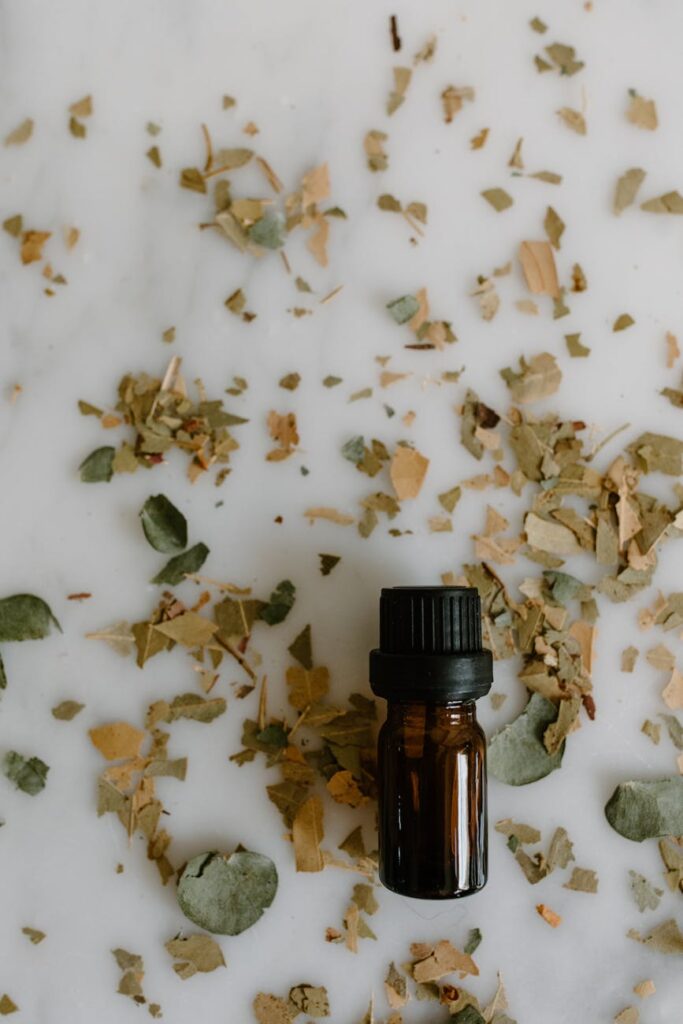
Benefits of Cacao Extract
Introduction
Cacao extract, derived from the seeds of the Theobroma cacao tree, has garnered significant attention in the realms of culinary arts, nutrition, and wellness. Often celebrated for its rich flavor and potential health benefits, cacao extract is more than just an indulgent treat. This article explores the various aspects of cacao extract, including its composition, benefits, common uses, and applications in aromatherapy.
What Is Cacao Extract?
Cacao extract is a concentrated form of cacao, which is processed from the beans of the cacao tree. The process typically involves fermenting, drying, roasting, and grinding the beans to create a fine powder or liquid extract. This extract contains a variety of bioactive compounds, including flavonoids, theobromine, and a host of essential nutrients. The flavor profile of cacao extract can vary significantly based on the processing methods and the cacao variety used, ranging from bitter to mildly sweet.
Composition
Cacao extract is rich in several key components:
- Flavonoids: These are antioxidants that may help protect the body from free radical damage.
- Theobromine: A stimulant compound found in cacao, similar to caffeine but milder in effect.
- Magnesium: An essential mineral that supports various bodily functions, including nerve and muscle health.
- Iron: Important for blood health and energy production.
- Fiber: Aids digestive health and contributes to a feeling of fullness.
The concentration of these compounds can vary based on the extraction method and the quality of the cacao beans used.
Key Benefits and Properties
Cacao extract is often praised for its multiple benefits, which can be categorized into several key areas:
Antioxidant Properties
Cacao is one of the richest sources of antioxidants, particularly flavonoids. Antioxidants play a crucial role in neutralizing free radicals, which can cause oxidative stress and contribute to various chronic diseases. Regular consumption of cacao extract may help mitigate oxidative damage and support overall health.
Mood Enhancement
Theobromine and phenylethylamine (PEA) found in cacao are believed to have mood-enhancing properties. These compounds may promote the release of endorphins and serotonin in the brain, contributing to a feeling of happiness and well-being. The sensory experience of consuming cacao, with its rich aroma and taste, may also enhance mood.
Cognitive Support
Some studies suggest that the flavonoids in cacao may improve blood flow to the brain, potentially enhancing cognitive function. Regular consumption of cacao extract may contribute to better focus, memory, and overall mental performance.
Cardiovascular Health
Cacao extract has been associated with various heart health benefits. The flavonoids in cacao may help improve circulation, lower blood pressure, and reduce the risk of heart disease. Additionally, the extract may support healthy cholesterol levels by improving HDL (good cholesterol) and lowering LDL (bad cholesterol).
Skin Health
Cacao extract is rich in nutrients that may benefit the skin. The antioxidants present can help protect against skin damage caused by UV rays and pollution. Additionally, the moisturizing properties of cacao can aid in maintaining skin hydration and elasticity.
Common Uses
Cacao extract is versatile and can be incorporated into various products and practices, including:
Culinary Uses
Cacao extract is widely used in the culinary world. It is commonly found in chocolate products, desserts, smoothies, and baked goods. The extract can also be used to enhance savory dishes, providing depth and complexity to flavors.
Health Supplements
Cacao extract is available in various forms, including powders, capsules, and liquid extracts. These supplements are often marketed for their antioxidant properties and potential health benefits.
Skincare Products
Many skincare brands include cacao extract in their formulations due to its antioxidant and moisturizing properties. It can be found in lotions, creams, and masks, offering both aesthetic and therapeutic advantages.
Aromatherapy Applications
Aromatherapy is the practice of using essential oils and aromatic compounds for therapeutic purposes. Cacao extract, while not an essential oil in the traditional sense, can be utilized in aromatherapy for its unique fragrance and potential psychological benefits.
Fragrance Profile
Cacao has a warm, rich, and earthy scent that can promote relaxation and comfort. Its aroma may evoke feelings of nostalgia and happiness, making it suitable for use in creating a calming atmosphere.
Blending with Other Oils
Cacao extract can be blended with various essential oils to enhance its aromatic properties. Oils such as vanilla, orange, or sandalwood may complement cacao’s scent, creating a unique and inviting fragrance profile.
Diffusion and Inhalation
Cacao extract can be used in diffusers or inhaled directly to enjoy its aroma. This practice can help create a soothing environment, promoting relaxation and reducing stress.
Safety Considerations
While cacao extract is generally considered safe for most individuals, there are some considerations to keep in mind:
Allergies
Some individuals may be allergic to cacao or related products. It is important to conduct a patch test before applying cacao-based products to the skin.
Moderation
As with any food or supplement, moderation is key. Excessive consumption of cacao extract, particularly in supplement form, may lead to adverse effects, including digestive upset or increased heart rate due to its caffeine and theobromine content.
Interaction with Medications
Cacao extract may interact with certain medications, particularly stimulants or blood thinners. Individuals on medication should consult with a healthcare professional before incorporating cacao extract into their regimen.
Storage and Shelf Life
To maintain the quality and potency of cacao extract, proper storage is essential:
Storage Conditions
Cacao extract should be stored in a cool, dark place, away from direct sunlight and moisture. Airtight containers are recommended to prevent exposure to air, which can degrade the extract over time.
Shelf Life
The shelf life of cacao extract can vary depending on the form (powder, liquid, etc.) and the storage conditions. Generally, high-quality cacao extract can last for 1 to 2 years when stored properly. Always check for any signs of spoilage, such as an off smell or discoloration.
Frequently Asked Questions
Is cacao extract the same as cocoa powder?
Cacao extract is derived from cacao beans and retains more of the natural antioxidants and nutrients than cocoa powder, which is often processed at higher temperatures and may contain added sugars or fats.
Can cacao extract be used in baking?
Yes, cacao extract can be used in baking as a flavoring agent. It adds depth and richness to recipes and can be incorporated into cookies, cakes, and other desserts.
Is cacao extract safe for children?
Cacao extract can be safe for children in moderation, but it is always advisable to consult with a healthcare professional regarding dietary choices for young ones.
How can I incorporate cacao extract into my daily routine?
Cacao extract can be added to smoothies, oatmeal, yogurt, or baked goods. It can also be enjoyed in hot beverages, such as cacao drinks or cocoa tea.
Conclusion
Cacao extract is a remarkable substance with a rich history and a plethora of benefits. Its antioxidant properties, mood-enhancing effects, and versatility in culinary and wellness applications make it a valuable addition to many diets and lifestyles. Whether consumed in food, used in skincare, or incorporated into aromatherapy practices, cacao extract continues to be celebrated for its profound impact on health and well-being. As with any botanical, it is essential to approach its use thoughtfully, keeping in mind individual needs and preferences.