
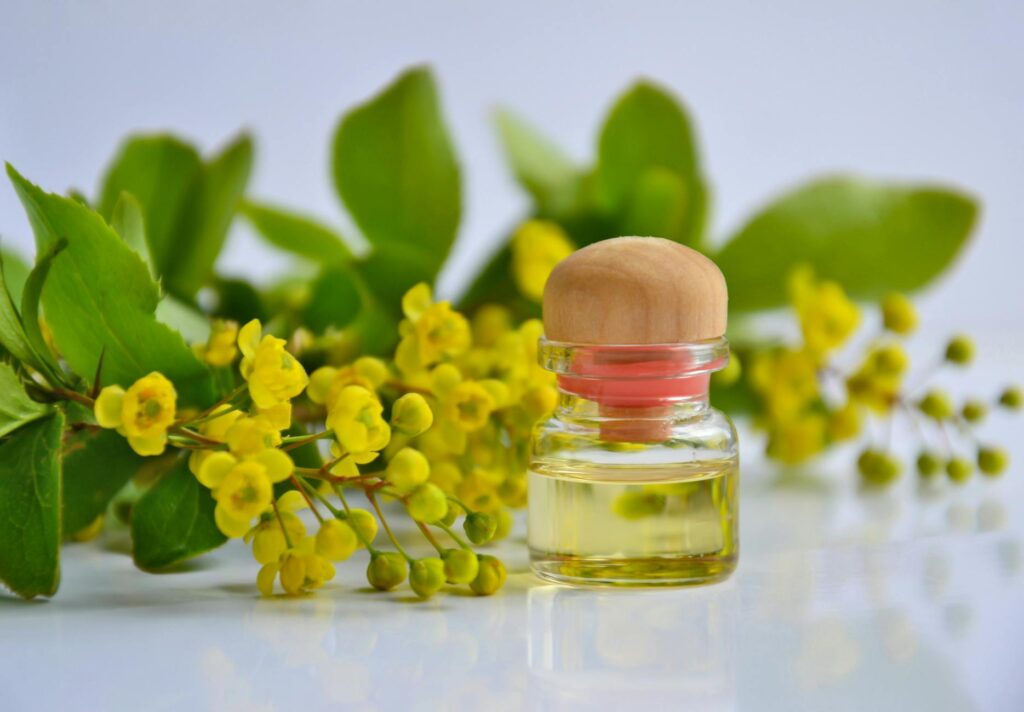
Benefits of Cacay Oil
Introduction
Cacay oil has emerged as a popular addition to the realm of essential oils and natural skincare products. Extracted from the nuts of the Cacay tree (Caryodendron orinocense), which is native to the Amazon rainforest, this oil is celebrated for its impressive nutrient profile and myriad benefits. As more individuals seek natural alternatives for skincare and wellness, understanding the properties and uses of Cacay oil can provide valuable insights into its potential applications.
What Is Cacay Oil?
Cacay oil is derived from the seeds of the Cacay tree, which can grow up to 40 meters tall. This tree thrives in tropical forests and has been utilized by indigenous communities for centuries for its nutritional and cosmetic properties. The oil is extracted through a cold-pressing method, which preserves its beneficial compounds. Cacay oil is known for its light texture, making it suitable for a range of applications, from skincare to haircare.
Key Benefits and Properties
Cacay oil boasts a unique combination of fatty acids, vitamins, and antioxidants that contribute to its beneficial properties:
1. Rich in Nutrients: Cacay oil is particularly high in linoleic acid (omega-6) and oleic acid (omega-9), both of which are crucial for maintaining skin health. It also contains a significant amount of vitamin E and vitamin A, essential for skin regeneration and repair.
2. Hydration: The oil is an excellent moisturizer, helping to retain skin moisture and improve overall hydration. Its lightweight formulation allows for easy absorption without leaving a greasy residue.
3. Antioxidant Properties: Cacay oil is rich in antioxidants, which help combat oxidative stress and protect the skin from environmental damage. This can contribute to a more youthful appearance and may reduce the signs of aging.
4. Anti-Inflammatory Effects: The oil’s anti-inflammatory properties may help soothe irritated skin, making it suitable for individuals with sensitive or reactive skin types.
5. Promotes Skin Elasticity: The combination of fatty acids and vitamins in Cacay oil supports skin elasticity, which can lead to firmer, more resilient skin over time.
Common Uses
Cacay oil is versatile and can be incorporated into various aspects of personal care and wellness:
1. Facial Oil: Many individuals use Cacay oil as a facial oil, applying it directly to the skin or mixing it with other carrier oils for enhanced benefits. Its lightweight nature makes it suitable for all skin types, including oily skin.
2. Moisturizer: Cacay oil can be used as a standalone moisturizer or added to creams and lotions. It hydrates the skin and helps lock in moisture, making it particularly beneficial for dry or mature skin.
3. Hair Care: The oil can also be applied to hair as a treatment for dryness and frizz. It can help improve hair texture, adding shine and reducing breakage.
4. Body Oil: Cacay oil can be used as a body oil or added to bathwater for a luxurious, hydrating experience. It nourishes the skin and leaves it feeling soft and supple.
5. Massage Oil: Its smooth texture makes Cacay oil an excellent choice for massage. It glides effortlessly over the skin and can be blended with other essential oils for an aromatic experience.
Aromatherapy Applications
While Cacay oil is primarily recognized for its skincare benefits, it can also be integrated into aromatherapy practices:
1. Blending with Essential Oils: Cacay oil serves as a carrier oil, making it suitable for diluting essential oils. This can enhance the overall therapeutic experience when using oils such as lavender, eucalyptus, or frankincense.
2. Diffusion: Although Cacay oil is not typically used in diffusion, it can be added to homemade body sprays or room mists for a subtle aroma. When blended with essential oils, it can create a calming and relaxing atmosphere.
3. Inhalation: For those who enjoy the benefits of aromatherapy, inhaling Cacay oil directly from the bottle or applying it to pulse points can provide a soothing effect.
Safety Considerations
While Cacay oil is generally considered safe for topical use, it is essential to follow some guidelines:
1. Patch Test: Before using Cacay oil on a larger area of skin, conduct a patch test to check for any allergic reactions. Apply a small amount to an inconspicuous area and monitor for any adverse effects over 24 hours.
2. Dilution: When using Cacay oil in combination with essential oils, ensure proper dilution. A common recommendation is to blend 1-2 drops of essential oil with a teaspoon of Cacay oil.
3. Pregnancy and Nursing: If you are pregnant or nursing, consult with a healthcare professional before using new oils or skincare products.
4. Avoid Eye Contact: As with any oil, avoid contact with the eyes. If accidental contact occurs, rinse thoroughly with water.
Storage and Shelf Life
Proper storage is crucial to maintaining the quality and efficacy of Cacay oil:
1. Cool, Dark Place: Store Cacay oil in a cool, dark place away from direct sunlight to prevent oxidation and degradation.
2. Sealed Container: Ensure the oil is kept in a tightly sealed container to minimize exposure to air, which can also lead to spoilage.
3. Shelf Life: Cacay oil typically has a shelf life of about 1 to 2 years when stored properly. However, always check for any changes in color, smell, or texture before use.
Frequently Asked Questions
1. Is Cacay oil suitable for all skin types?
Yes, Cacay oil is lightweight and non-comedogenic, making it suitable for all skin types, including oily and sensitive skin.
2. Can Cacay oil help with acne?
Cacay oil’s anti-inflammatory properties may help soothe irritated skin; however, individual results may vary. It is advisable to consult a skincare professional for personalized advice.
3. How should Cacay oil be applied?
Cacay oil can be applied directly to the skin, used as a moisturizer, or blended with other oils. A few drops are typically sufficient for the face.
4. Is Cacay oil vegan?
Yes, Cacay oil is plant-based and suitable for vegans.
5. Can Cacay oil be ingested?
Cacay oil is intended for topical use and should not be ingested unless specified by a qualified healthcare professional.
Conclusion
Cacay oil is a remarkable oil with a diverse range of benefits and applications. Its rich nutrient profile, combined with its lightweight texture, makes it an appealing option for those seeking natural skincare solutions. Whether used as a facial oil, moisturizer, or hair treatment, Cacay oil’s hydrating and nourishing properties can enhance skin health and overall well-being. As with any product, it is crucial to use it responsibly and be mindful of individual skin sensitivities.