
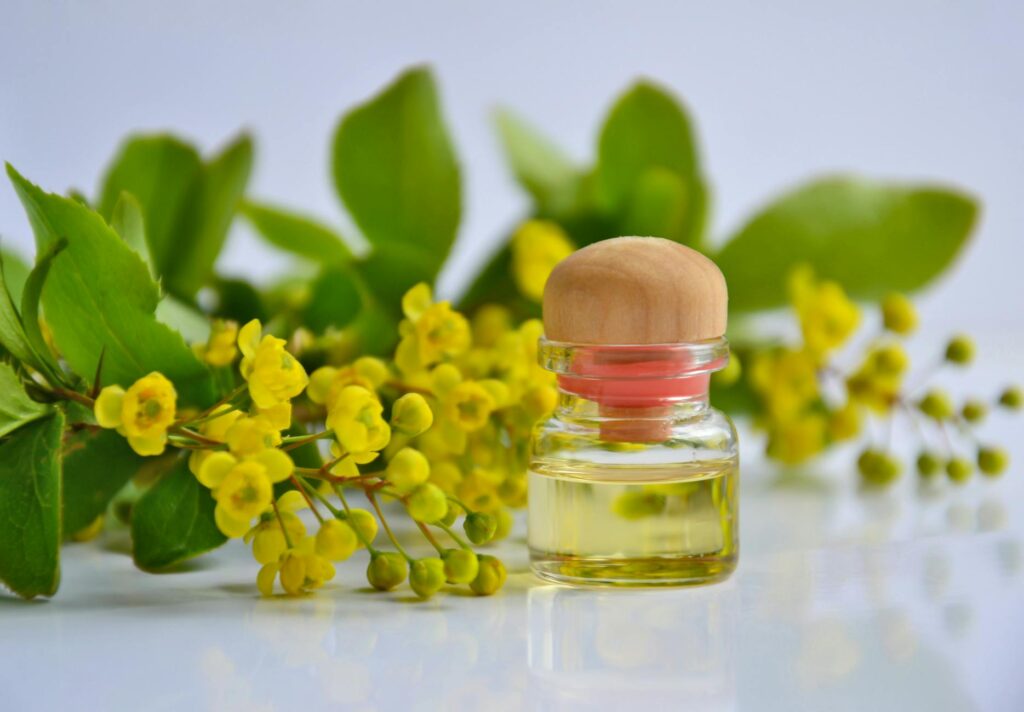
Benefits of Camellia Oil
Introduction
Camellia oil, derived from the seeds of the Camellia plant, has garnered attention in recent years for its myriad benefits and versatile applications. With a rich history rooted in traditional practices, this oil is celebrated not only for its nourishing properties but also for its role in beauty and wellness routines across various cultures. This article explores the origins, benefits, uses, and safety considerations of camellia oil, providing a comprehensive overview for those interested in incorporating this natural product into their lifestyles.
What Is Camellia Oil?
Camellia oil is extracted from the seeds of various species of the Camellia plant, particularly Camellia oleifera and Camellia sinensis. The latter is well-known as the source of green tea. The oil is cold-pressed from the seeds, ensuring that its beneficial compounds remain intact. Characterized by its light texture and subtle fragrance, camellia oil is rich in essential fatty acids, antioxidants, and vitamins, making it a valuable addition to both culinary and cosmetic applications.
Varieties of Camellia Oil
There are several types of camellia oil, each with unique properties:
- Camellia oleifera: Primarily used for cooking and skincare, this oil is known for its high oleic acid content, which contributes to its moisturizing properties.
- Camellia sinensis: This oil, derived from the tea plant, is often utilized for its antioxidant benefits and is believed to have anti-aging properties.
- Camellia japonica: Commonly used in cosmetics, this variety is favored for its emollient qualities and is often found in high-end skincare products.
- Moisturizer: Camellia oil can be used as a standalone moisturizer or mixed with other products to enhance hydration.
- Makeup Remover: Its gentle formula makes camellia oil an effective makeup remover, breaking down products without irritating the skin.
- Anti-Aging Serum: Due to its high antioxidant content, camellia oil is often incorporated into serums aimed at reducing the signs of aging.
- Conditioner: Used as a leave-in conditioner or added to regular conditioners, camellia oil can improve hair texture and manageability.
- Scalp Treatment: Massaging camellia oil into the scalp can help nourish hair follicles and promote healthy hair growth.
Key Benefits and Properties
Nutrient-Rich Composition
Camellia oil boasts a rich profile of fatty acids, including oleic acid, palmitic acid, and linoleic acid, which are essential for maintaining skin health. Additionally, it contains vitamins A, B, D, and E, all of which contribute to its nourishing properties.
Antioxidant Properties
The presence of antioxidants, such as polyphenols and tocopherols, helps combat free radicals, thereby reducing oxidative stress on the skin. This can potentially lead to healthier, more youthful-looking skin.
Moisturizing and Hydrating
Due to its lightweight nature, camellia oil is easily absorbed by the skin, providing deep hydration without leaving a greasy residue. It is particularly beneficial for dry or sensitive skin types, as it helps maintain the skin’s natural moisture barrier.
Anti-Inflammatory Effects
Camellia oil may possess anti-inflammatory properties, making it suitable for soothing irritated skin and reducing redness. This quality makes it a popular choice for those with conditions such as eczema or psoriasis.
Hair Care Benefits
Not only is camellia oil beneficial for the skin, but it is also effective for hair care. Its emollient properties help nourish the hair, providing shine and reducing frizz. It can also be used as a scalp treatment to promote overall hair health.
Common Uses
Skincare
Haircare
Culinary Uses
In some cultures, camellia oil is utilized in cooking due to its high smoke point and pleasant flavor. It can be used for sautéing, frying, or as a salad dressing, providing a flavorful and nutritious option for culinary enthusiasts.
Aromatherapy Applications
While camellia oil is not commonly used in traditional aromatherapy, its subtle aroma can still play a role in creating a calming atmosphere. When blended with essential oils, it can enhance the overall experience of relaxation and well-being.
Blending
Camellia oil can be blended with essential oils such as lavender, bergamot, or chamomile to create soothing massage oils or bath blends. Its light texture allows for easy absorption, making it an excellent carrier oil.
Diffusion
Although camellia oil is not typically diffused on its own, it can be added to a diffuser blend to provide a subtle, grounding aroma that can complement other more fragrant essential oils.
Safety Considerations
Camellia oil is generally considered safe for topical use and culinary applications. However, it is always wise to perform a patch test before applying it to larger skin areas, particularly for those with sensitive skin or allergies.
Potential Allergies
Individuals with a known allergy to other oils, particularly those derived from nuts or seeds, should exercise caution and consult a healthcare professional if unsure about its use.
Pregnancy and Nursing
As with any new product, pregnant or nursing individuals should consult a healthcare provider before incorporating camellia oil into their routines.
Storage and Shelf Life
Proper storage is essential to maintain the quality of camellia oil. It should be kept in a cool, dark place, away from direct sunlight and heat. An airtight container is recommended to prevent oxidation.
Shelf Life
When stored correctly, camellia oil can last for up to 12 to 24 months. However, it is advisable to check for any changes in color, smell, or texture before use, as these may indicate that the oil has gone rancid.
Frequently Asked Questions
1. Can camellia oil be used on all skin types?
Yes, camellia oil is generally suitable for all skin types, including sensitive skin. Its lightweight nature and non-comedogenic properties make it a good option for oily and acne-prone skin as well.
2. Is camellia oil safe for cooking?
Yes, camellia oil is safe for cooking due to its high smoke point. It can be used for frying or as part of salad dressings, providing both flavor and nutritional benefits.
3. How should camellia oil be applied to the hair?
Camellia oil can be applied directly to the hair as a leave-in conditioner or added to your regular conditioner. For scalp treatment, it can be massaged gently onto the scalp to promote hair health.
4. Is camellia oil suitable for people with nut allergies?
While camellia oil is not a nut oil, individuals with known allergies should exercise caution and consult a healthcare provider before use.
5. Can camellia oil help with acne?
Camellia oil is non-comedogenic and may help soothe inflamed skin, making it a potential option for those dealing with acne. However, individual reactions may vary.
Conclusion
Camellia oil stands out as a multifaceted oil with a rich history and a wide range of applications. Its nutrient-dense composition, combined with its soothing and hydrating properties, makes it a valuable addition to both skincare and culinary routines. As with any natural product, understanding its benefits and proper usage is essential for maximizing its potential. Whether you are exploring natural skincare options or looking for culinary oils, camellia oil is a versatile choice that offers a variety of benefits for health, beauty, and well-being.