
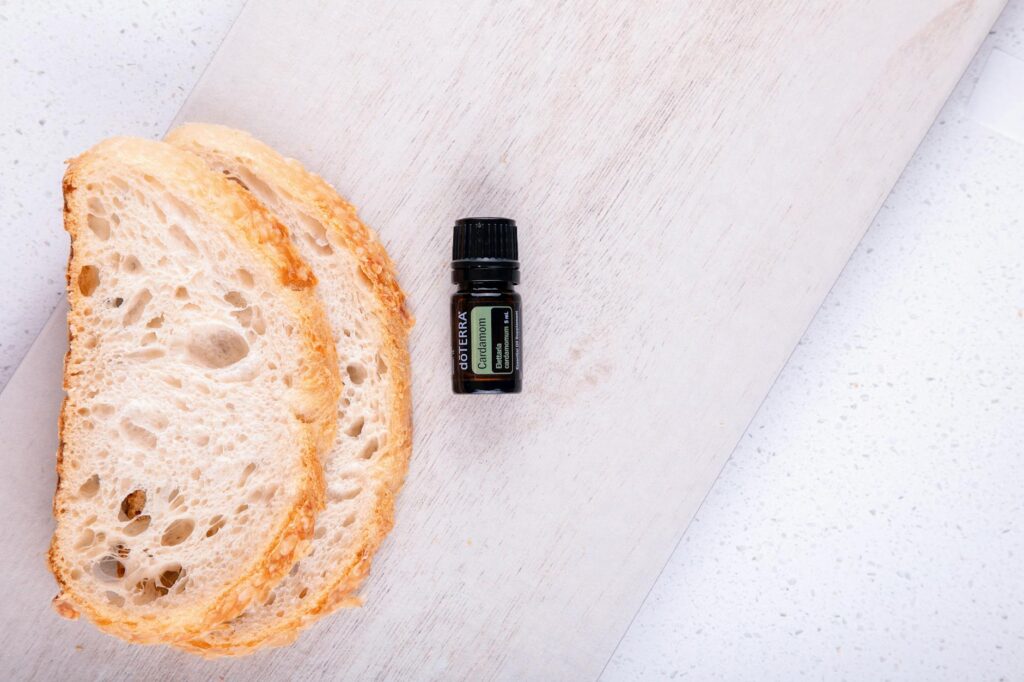
Benefits of Cardamom Oil
Introduction
Cardamom oil, derived from the seeds of the Elettaria cardamomum plant, has been cherished for centuries, both for its distinctive flavor and its potential therapeutic benefits. Often referred to as the “queen of spices,” cardamom not only enhances culinary creations but also plays a significant role in traditional medicine and aromatherapy practices. This article delves into the multifaceted benefits of cardamom oil, exploring its properties, applications, and considerations for safe use.
What Is Cardamom Oil?
Cardamom oil is an essential oil extracted from the seeds of the cardamom plant, which belongs to the ginger family, Zingiberaceae. The extraction process typically involves steam distillation of the seeds, resulting in a fragrant, pale yellow to colorless oil with a warm, spicy aroma. Cardamom is native to the Indian subcontinent but is now cultivated in various tropical regions around the world.
The oil captures the essence of cardamom’s flavor profile, which is a blend of sweet, spicy, and slightly floral notes. Due to its unique chemical composition, cardamom oil contains several active compounds, including 1,8-cineole, terpinyl acetate, and alpha-terpineol, which contribute to its aroma and potential benefits.
Key Benefits and Properties
Cardamom oil is known for its diverse array of properties that make it valuable in various contexts:
1. Antioxidant Properties
Cardamom oil is rich in antioxidants, which help combat oxidative stress in the body. Antioxidants neutralize free radicals, contributing to overall health and well-being.
2. Anti-Inflammatory Effects
The oil may exhibit anti-inflammatory properties, which can be beneficial in reducing inflammation in the body. This could potentially aid in soothing discomfort from various conditions.
3. Digestive Support
Historically, cardamom has been used to support digestive health. Cardamom oil’s potential carminative properties may help in alleviating gas and bloating, promoting a healthier digestive system.
4. Mood Enhancer
The aroma of cardamom oil is believed to have uplifting effects on mood. Its warm and spicy scent may help alleviate feelings of anxiety and stress.
5. Respiratory Health
Cardamom oil may support respiratory health, with its aromatic compounds potentially helping to clear the airways and ease breathing.
Common Uses
Cardamom oil can be utilized in a variety of ways, making it a versatile addition to both personal care and household applications:
1. Culinary Uses
While primarily used as a spice, cardamom oil can also be added to culinary creations for a concentrated flavor. It is particularly popular in Middle Eastern and Indian cuisines, enhancing dishes such as curries, desserts, and beverages.
2. Personal Care Products
The oil can be incorporated into personal care products such as lotions, creams, and shampoos due to its aromatic qualities and potential skin benefits.
3. Household Cleaning
Cardamom oil’s antibacterial properties make it a suitable candidate for natural cleaning solutions, adding a pleasant scent and potential disinfecting capabilities to homemade cleansers.
4. Perfumes and Fragrances
The unique scent of cardamom oil makes it a popular ingredient in perfumes and scented products, offering a warm and inviting aroma.
Aromatherapy Applications
In aromatherapy, cardamom oil is often used to create a calming and uplifting environment. Here are several ways to incorporate cardamom oil into your aromatherapy practice:
1. Diffusion
Using an essential oil diffuser, cardamom oil can be blended with other essential oils such as lavender or bergamot to create a soothing atmosphere in living spaces.
2. Inhalation
Adding a few drops of cardamom oil to a bowl of hot water for steam inhalation can promote relaxation and may aid in respiratory wellness.
3. Massage Blends
Cardamom oil can be diluted with a carrier oil and used in massage to provide a warming effect, potentially alleviating tension in the muscles.
4. Bath Additive
A few drops of cardamom oil in a warm bath can enhance the bathing experience, promoting relaxation and stress relief.
Safety Considerations
While cardamom oil is generally regarded as safe when used appropriately, it is essential to follow certain guidelines:
1. Dilution
Cardamom oil should always be diluted with a carrier oil before applying it to the skin. This helps prevent irritation and enhances absorption.
2. Allergies
Individuals with known allergies to cardamom or similar plants should avoid using cardamom oil. A patch test is recommended before widespread application.
3. Pregnancy and Nursing
Pregnant or nursing individuals should consult a healthcare professional before using cardamom oil, as its effects during these periods are not well-studied.
4. Pre-existing Conditions
Those with specific health concerns or conditions should seek advice from a qualified healthcare provider before incorporating cardamom oil into their routine.
Storage and Shelf Life
Proper storage is crucial for maintaining the quality and effectiveness of cardamom oil:
1. Storage Conditions
Cardamom oil should be stored in a cool, dark place, away from direct sunlight and heat sources. This helps prevent oxidation and degradation of the oil’s properties.
2. Container
Use dark glass containers to protect the oil from light. Ensure that the lid is tightly sealed to minimize exposure to air.
3. Shelf Life
When stored correctly, cardamom oil can last for about 2 to 3 years. However, it is advisable to check for any changes in aroma, color, or consistency that may indicate spoilage.
Frequently Asked Questions
1. Can cardamom oil be ingested?
While some individuals may use cardamom oil in cooking, it is crucial to ensure that the oil is food-grade and consult with a qualified professional before ingestion.
2. Is cardamom oil safe for children?
Children may have different sensitivities to essential oils. It is recommended to consult with a healthcare provider before using cardamom oil on or around children.
3. How can I tell if my cardamom oil is pure?
To determine the purity of cardamom oil, check for certifications and quality assessments from reputable suppliers. Pure essential oils should have no additives or synthetic fragrances.
4. Can I use cardamom oil in a candle?
Yes, cardamom oil can be used in candle-making to impart its unique aroma. Ensure that the oil is suitable for candle use and follow appropriate guidelines for blending.
Conclusion
Cardamom oil is a remarkable essential oil with a rich history and a wide range of potential benefits. Its unique properties make it a valuable addition to culinary, personal care, and aromatherapy practices. Whether you are exploring its uses for mood enhancement, digestive support, or simply enjoying its fragrant aroma, cardamom oil offers a versatile and enriching experience. As with any essential oil, it is essential to approach its use with awareness and care, ensuring safe and responsible practices.