
Benefits of Carrot Seed Oil
Introduction
Carrot seed oil, derived from the seeds of the Daucus carota plant, is a lesser-known essential oil celebrated for its myriad of benefits. Often overshadowed by more popular oils like lavender and eucalyptus, carrot seed oil deserves recognition for its unique properties and versatile applications in the realms of skincare, aromatherapy, and overall wellness. This article aims to explore the various attributes of carrot seed oil, its uses, and the precautions one should consider when incorporating it into daily life.
What Is Carrot Seed Oil?
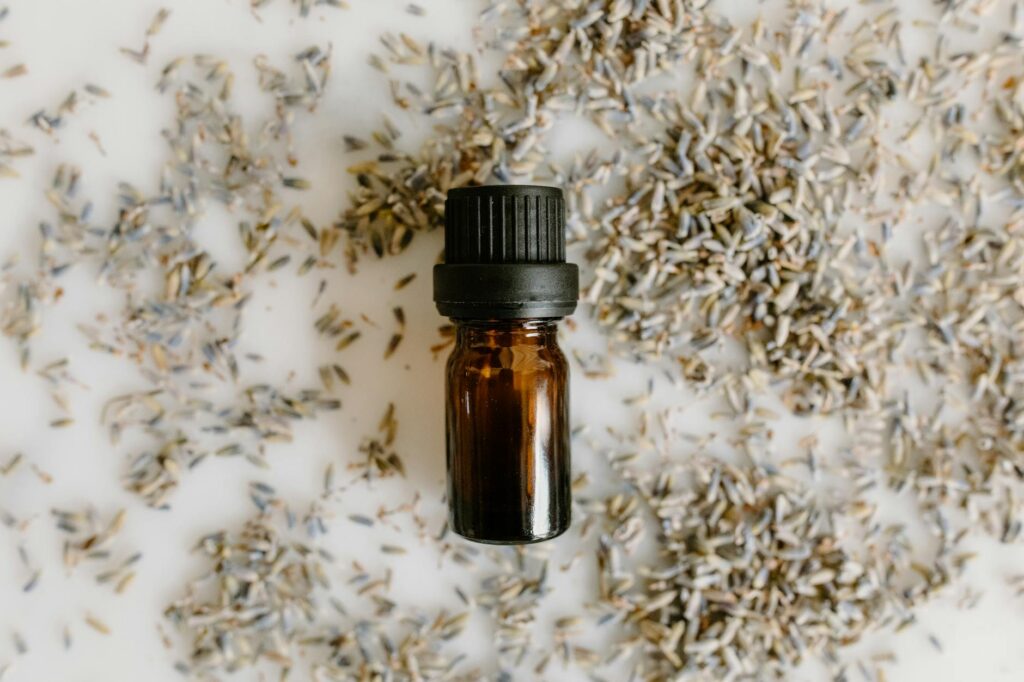
Carrot seed oil is an essential oil extracted from the seeds of the wild carrot, also known as Queen Anne’s Lace. The extraction process typically involves steam distillation, which preserves the oil’s potent qualities. The oil is characterized by its warm, earthy aroma and amber hue, reflecting its botanical origins.
Carrot seed oil is rich in vitamins, antioxidants, and other beneficial compounds, making it a valuable addition to various holistic practices. Its unique composition includes carotenoids, particularly beta-carotene, which contribute to its potential skin-enhancing properties.
Key Benefits and Properties
Carrot seed oil is lauded for several key benefits and properties:
1. Skin Health
One of the most prominent uses of carrot seed oil is in skincare. It is believed to promote skin cell regeneration, making it beneficial for reducing the appearance of scars, fine lines, and dry skin. Its moisturizing properties help restore the skin’s natural hydration balance.
2. Antioxidant Activity
Rich in antioxidants, carrot seed oil may help combat free radicals, which can contribute to premature aging and various skin conditions. The presence of carotenoids is particularly notable, as they are known for their ability to neutralize oxidative stress.
3. Anti-inflammatory Properties
Carrot seed oil possesses mild anti-inflammatory properties, which may help soothe irritated skin and reduce redness. This makes it suitable for individuals with sensitive skin or conditions such as eczema and psoriasis.
4. Antibacterial and Antifungal Properties
Research has suggested that carrot seed oil may exhibit antibacterial and antifungal effects. This property may be beneficial for maintaining skin health and preventing infections, particularly in minor cuts and abrasions.
5. Detoxification
Some proponents argue that carrot seed oil can support the body’s natural detoxification processes, particularly concerning the liver and kidneys. While more research is needed to substantiate these claims, many aromatherapists value the oil for its potential to promote overall well-being.
Common Uses
Carrot seed oil can be utilized in various ways, each tapping into its unique properties. Here are some common applications:
1. Skincare Products
Carrot seed oil is often found in facial oils, creams, and serums. It can be blended with carrier oils, such as jojoba or sweet almond oil, to enhance its moisturizing effects.
2. Massage Oils
Incorporating carrot seed oil into massage oils can provide both relaxation and skin benefits. When diluted appropriately with a carrier oil, it can enhance the overall experience of a massage.
3. Aromatherapy Blends
Carrot seed oil can be combined with other essential oils to create custom blends for diffusers or inhalation. Its grounding aroma can be particularly effective when paired with oils like sandalwood or frankincense.
4. Hair Care Products
Due to its nourishing properties, carrot seed oil can be added to shampoos or conditioners to promote healthy hair and scalp.
5. Homemade Remedies
DIY enthusiasts often incorporate carrot seed oil into homemade balms, ointments, and lotions, leveraging its beneficial properties for skin and hair.
Aromatherapy Applications
In the context of aromatherapy, carrot seed oil is appreciated for its grounding and calming effects. It is often used in meditation practices, helping to create a serene atmosphere conducive to relaxation and mindfulness.
Blending with Other Oils
Carrot seed oil pairs well with a variety of essential oils, including:
- Lavender: For relaxation and stress relief.
- Geranium: To balance emotions and promote a sense of well-being.
- Cedarwood: For grounding and centering effects.
Diffusion
Using a diffuser, carrot seed oil can fill a room with its warm, earthy scent, creating a calming environment. A few drops can be blended with a carrier oil for topical application or added to a warm bath for an aromatic soak.
Safety Considerations
While carrot seed oil is generally considered safe for topical use when diluted, there are several safety considerations to keep in mind:
1. Dilution
Always dilute carrot seed oil with a carrier oil before applying it to the skin to prevent irritation. A common dilution ratio is 2-3 drops of essential oil per teaspoon of carrier oil.
2. Patch Test
Conduct a patch test before using carrot seed oil more broadly on the skin. Apply a diluted drop to a small area and wait 24 hours to check for any adverse reactions.
3. Pregnancy and Nursing
Pregnant or nursing individuals should exercise caution and consult a healthcare provider before using essential oils, including carrot seed oil.
4. Allergies
Individuals with allergies to plants in the Apiaceae family (such as carrots, celery, and parsley) should avoid using carrot seed oil due to the potential for allergic reactions.
5. Consultation
Always consult a qualified aromatherapist or healthcare provider if you have concerns about using essential oils, especially if you have underlying health conditions.
Storage and Shelf Life
To maintain the integrity of carrot seed oil, proper storage is essential:
1. Storage Conditions
Store carrot seed oil in a cool, dark place away from direct sunlight. A dark glass bottle is ideal for protecting the oil from light, which can degrade its quality.
2. Shelf Life
When stored correctly, carrot seed oil generally has a shelf life of about 2-3 years. However, it is advisable to check for any changes in smell, color, or viscosity before use, as these can indicate that the oil has gone rancid.
Frequently Asked Questions
1. Can carrot seed oil be ingested?
Carrot seed oil is primarily used for topical and aromatic applications. Ingesting essential oils should only be done under the supervision of a qualified healthcare professional.
2. Is carrot seed oil suitable for all skin types?
While carrot seed oil is generally well-tolerated, individuals with sensitive skin or allergies should conduct a patch test before widespread use.
3. Can I use carrot seed oil for acne?
Carrot seed oil may help promote skin health, but its effectiveness for acne varies by individual. It is best to consult a skincare professional for personalized advice.
4. How do I incorporate carrot seed oil into my skincare routine?
You can add a few drops of carrot seed oil to your favorite carrier oil or moisturizer. Alternatively, consider using products that already include carrot seed oil as an ingredient.
5. Where can I purchase high-quality carrot seed oil?
Look for reputable suppliers that specialize in essential oils. Ensure the oil is 100% pure, with no additives or synthetic ingredients.
Conclusion
Carrot seed oil is a versatile essential oil that offers a range of benefits, particularly in skincare and aromatherapy. Its unique properties make it a valuable addition to any holistic wellness routine. Whether you’re looking to enhance your skincare regimen or create a calming atmosphere, carrot seed oil provides a multitude of applications. With proper precautions and mindful use, this oil can be a wonderful tool for promoting overall well-being.