
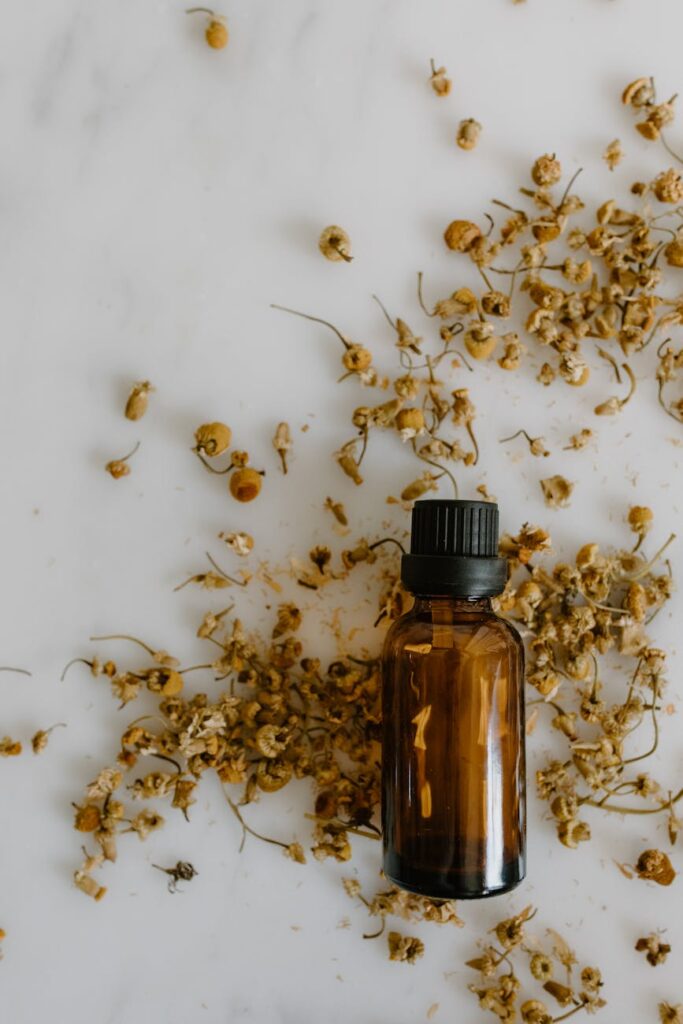
Benefits of Chamomile Oil
Introduction
Chamomile oil, derived from the flowers of the Chamomile plant, has been celebrated for centuries for its myriad of benefits and soothing properties. With its calming aroma and versatile applications, chamomile oil has become a staple in both aromatherapy and natural wellness practices. This article explores what chamomile oil is, its key benefits and properties, common uses, applications in aromatherapy, safety considerations, storage tips, and answers to frequently asked questions.
What Is Chamomile Oil?
Chamomile oil is an essential oil extracted from the flowers of the Chamomile plant, primarily from two species: Matricaria chamomilla (German chamomile) and Chamaemelum nobile (Roman chamomile). The extraction process typically involves steam distillation, which captures the plant’s volatile compounds, resulting in a concentrated oil rich in beneficial constituents.
The oil is characterized by its sweet, floral scent with earthy undertones, making it a popular choice in aromatherapy and natural products. Chamomile has a long history of use in traditional medicine, dating back to ancient Egyptian, Greek, and Roman cultures, where it was valued for its calming and anti-inflammatory properties.
Key Benefits and Properties
Chamomile oil is renowned for several therapeutic properties that contribute to its popularity:
1. Calming and Relaxing: Chamomile oil is best known for its sedative properties, promoting relaxation and reducing anxiety. Its soothing aroma can help create a tranquil environment, making it an ideal choice for stress relief.
2. Anti-Inflammatory: The oil contains powerful anti-inflammatory compounds, which may help alleviate discomfort from conditions such as arthritis or muscle soreness.
3. Antioxidant: Chamomile is rich in antioxidants, which can help combat oxidative stress and protect the body from free radical damage.
4. Antimicrobial: Studies suggest that chamomile oil possesses antimicrobial properties, making it effective against certain bacteria and fungi.
5. Digestive Aid: Traditionally, chamomile has been used to support digestive health and ease discomfort related to indigestion or bloating.
Common Uses
Chamomile oil’s versatility allows it to be used in various forms, including:
- Topical Applications: When diluted with a carrier oil, chamomile oil can be applied to the skin for its soothing effects. It is often used in skincare products to calm irritated skin.
- Diffusion: Chamomile oil can be added to a diffuser to fill a room with its calming scent, promoting relaxation and a sense of well-being.
- Bath Additive: Adding chamomile oil to bathwater can create a soothing experience, helping to relax the body and mind.
- Inhalation: Inhaling chamomile oil directly from the bottle or from a tissue can provide immediate stress relief and promote a sense of calm.
- Dilution: Always dilute chamomile oil with a carrier oil before applying it to the skin to avoid irritation. Common carrier oils include jojoba, sweet almond, and coconut oil.
- Allergic Reactions: Those with allergies to plants in the Asteraceae family, such as ragweed, may experience allergic reactions to chamomile oil. A patch test should be conducted before extensive use.
- Pregnancy and Nursing: Pregnant or nursing individuals should consult a healthcare professional before using chamomile oil, as its effects during pregnancy are not fully understood.
- Children: Chamomile oil should be used with caution around young children. Always consult a qualified professional for guidance on safe usage.
- Avoid Eye Contact: Chamomile oil should not come into contact with the eyes, as it may cause irritation.
- Storage Conditions: Store chamomile oil in a cool, dark place away from direct sunlight. Keeping the oil in a tightly sealed, dark glass bottle can help protect it from light and air exposure.
- Shelf Life: Chamomile oil typically has a shelf life of 1 to 3 years, depending on storage conditions. If the oil develops an off smell or changes in color, it is best to discard it.
Aromatherapy Applications
In aromatherapy, chamomile oil is often used for its calming effects. Here are some common applications:
1. Stress Relief: Diffusing chamomile oil in a space can help reduce stress levels and promote a sense of peace. It can be especially beneficial in high-pressure environments or during stressful times.
2. Sleep Aid: Chamomile oil is often recommended for its ability to support restful sleep. Adding a few drops to a pillow or using it in a bedtime ritual may enhance relaxation before sleep.
3. Mood Enhancement: The uplifting scent of chamomile can help elevate mood and reduce feelings of anxiety. It can be blended with other essential oils such as lavender or bergamot for a more comprehensive emotional support blend.
4. Meditation and Mindfulness: Chamomile oil can enhance meditation practices by creating a serene atmosphere that encourages relaxation and focus.
5. Facial Steam: Adding a few drops of chamomile oil to a bowl of hot water for facial steaming can help cleanse the skin while also providing calming aromatherapy benefits.
Safety Considerations
While chamomile oil is generally considered safe for most people, it is important to take certain precautions:
Storage and Shelf Life
Proper storage of chamomile oil is essential to maintain its quality and efficacy:
Frequently Asked Questions
1. Can chamomile oil be ingested?
Chamomile oil is primarily intended for external use and aromatherapy applications. Ingesting essential oils can be dangerous and should only be done under the guidance of a qualified healthcare professional.
2. Is chamomile oil safe for pets?
Chamomile oil should be used with caution around pets. Some essential oils can be toxic to animals. It is advisable to consult a veterinarian before using chamomile oil in environments with pets.
3. How can I use chamomile oil for skin care?
Chamomile oil can be combined with a carrier oil and applied to the skin to soothe irritation or redness. It can also be incorporated into lotions or creams for added benefits.
4. What other essential oils can be blended with chamomile oil?
Chamomile oil blends well with other calming essential oils such as lavender, bergamot, and ylang-ylang. Experimenting with different combinations can enhance the therapeutic effects.
5. Can I use chamomile oil in cooking or baking?
Chamomile oil is not typically used in cooking or baking. It is best suited for aromatherapy and topical applications.
Conclusion
Chamomile oil, with its rich history and diverse applications, stands out as a valuable essential oil in the realms of aromatherapy and natural wellness. Its calming properties, versatility in use, and pleasant aroma make it a popular choice for those seeking relaxation and balance. As with any essential oil, proper usage, storage, and awareness of safety considerations are essential to maximize its benefits. Whether you are exploring chamomile oil for stress relief, skincare, or enhancing your self-care rituals, its soothing qualities are sure to provide a delightful experience.