
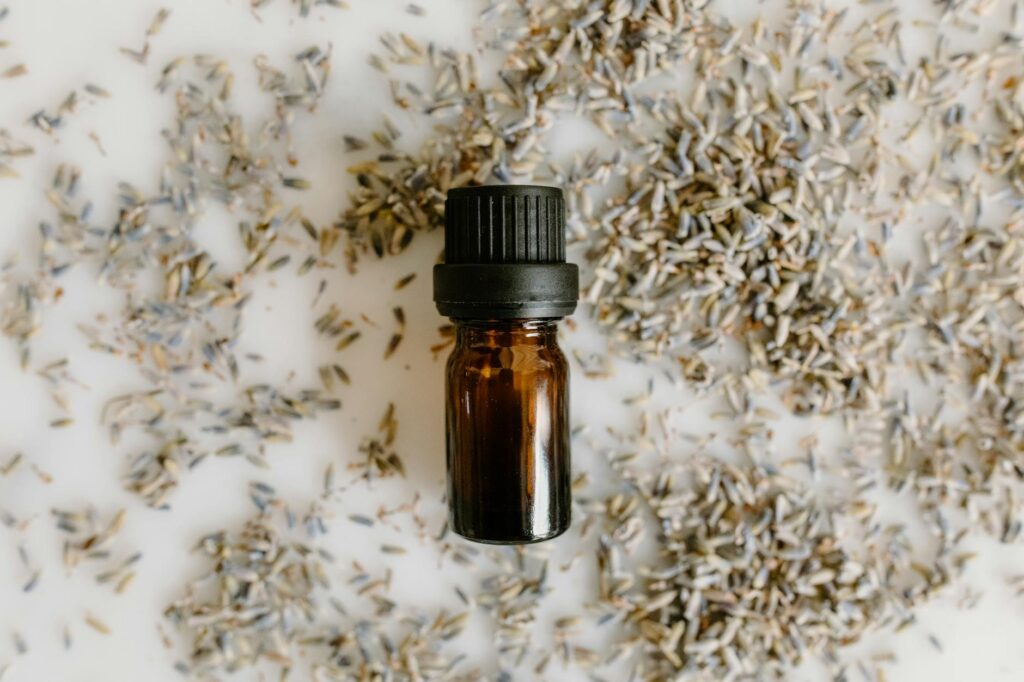
Benefits of Chia Seed Extract
Introduction
Chia seeds, derived from the Salvia hispanica plant, have garnered significant attention in the health and wellness community for their numerous nutritional benefits. In recent years, the extraction of compounds from these tiny seeds has led to the emergence of chia seed extract, a concentrated form that offers a wide array of beneficial properties. This article explores the nature of chia seed extract, delves into its key benefits, common uses, and its applications in aromatherapy, while also addressing safety considerations and storage guidelines.
What Is Chia Seed Extract?
Chia seed extract is derived from the seeds of the chia plant, which is native to Central and South America. These seeds are small, oval-shaped, and known for their ability to absorb liquid and form a gel-like substance. The extraction process typically involves using solvents or pressing the seeds to concentrate their beneficial components, such as omega-3 fatty acids, fiber, antioxidants, and proteins.
Unlike whole chia seeds, chia seed extract is more potent and can be used in various formulations, including supplements, food products, and cosmetic applications. The concentrated nature of the extract allows for easier incorporation into different products while providing the same health benefits associated with chia seeds.
Key Benefits and Properties
Chia seed extract is celebrated for its rich nutritional profile. Here are some of its key benefits and properties:
High in Omega-3 Fatty Acids
Chia seeds are one of the richest plant sources of omega-3 fatty acids, particularly alpha-linolenic acid (ALA). Omega-3 fatty acids are known for their anti-inflammatory properties and potential benefits for heart health, making chia seed extract a valuable addition to a balanced diet.
Rich in Dietary Fiber
Chia seed extract is also abundant in dietary fiber, which is essential for digestive health. Fiber can help maintain regular bowel movements, promote a healthy gut microbiome, and assist in managing weight by increasing feelings of fullness.
Antioxidant Properties
Chia seeds contain several antioxidants, including quercetin, chlorogenic acid, and caffeic acid. These compounds help combat oxidative stress in the body, potentially reducing the risk of chronic diseases and supporting overall health.
Source of Protein
Chia seed extract is a good source of plant-based protein, making it an excellent choice for vegetarians and vegans. Protein is essential for tissue repair, muscle building, and overall bodily function.
Nutrient Density
Chia seed extract is nutrient-dense, providing essential vitamins and minerals such as calcium, magnesium, phosphorus, and manganese. These nutrients play vital roles in various bodily functions, including bone health and energy metabolism.
Common Uses
Chia seed extract is versatile and can be incorporated into various products and formulations. Some common uses include:
Dietary Supplements
Chia seed extract is often available in capsule or powder form, making it a popular addition to dietary supplements aimed at enhancing overall health and wellness.
Food and Beverage Products
Due to its neutral flavor and thickening properties, chia seed extract is used in smoothies, energy bars, and baked goods. It can enhance the nutritional profile of various food products without altering their taste.
Cosmetic and Skincare Products
Chia seed extract is increasingly found in cosmetic formulations due to its moisturizing and antioxidant properties. It is often included in creams, lotions, and serums aimed at promoting healthy skin.
Aromatherapy Applications
While chia seed extract is primarily known for its nutritional benefits, its incorporation into aromatherapy is becoming more popular. Although not a traditional essential oil, chia seed extract can be used in conjunction with other essential oils for various applications:
Carrier Oil
Chia seed extract can function as a carrier oil in aromatherapy. Due to its light texture and nutrient-rich profile, it can be blended with essential oils for topical applications, providing a moisturizing effect while enhancing the absorption of the essential oils.
Skin Care
In aromatherapy practices focused on skincare, chia seed extract can be added to formulations aimed at hydrating and nourishing the skin. Its antioxidant properties can complement other essential oils known for their skincare benefits.
Diffusion
While chia seed extract itself is not typically diffused, it can enhance the properties of essential oil blends when used in topical applications. The inclusion of chia seed extract in massage oils can provide additional benefits for relaxation and skin nourishment.
Safety Considerations
While chia seed extract is generally considered safe for most individuals, there are several considerations to keep in mind:
Allergies
Individuals with known allergies to chia seeds or other members of the mint family should avoid chia seed extract. It is essential to read product labels carefully to identify any potential allergens.
Dosage
As with any supplement or extract, it is crucial to follow the recommended dosage guidelines. Excessive consumption may lead to digestive discomfort due to its high fiber content.
Consult a Healthcare Provider
Before incorporating chia seed extract into your routine, it is advisable to consult with a healthcare provider, especially if you are pregnant, nursing, or have underlying health conditions.
Storage and Shelf Life
To maintain the quality and potency of chia seed extract, proper storage is essential. Here are some guidelines:
Storage Conditions
Chia seed extract should be stored in a cool, dry place, away from direct sunlight. It is best to keep it in an airtight container to prevent moisture and oxidation.
Shelf Life
The shelf life of chia seed extract varies depending on the extraction method and storage conditions. Generally, it can last up to two years if stored properly. Always check the expiration date on the packaging and discard any extract that appears discolored or has an off smell.
Frequently Asked Questions
1. Can chia seed extract be used in cooking?
Yes, chia seed extract can be used in cooking and baking. It can enhance the nutritional profile of recipes without altering their flavor significantly.
2. Is chia seed extract safe for children?
While chia seeds are often safe for children, it is best to consult a pediatrician before introducing chia seed extract into a child’s diet, especially for younger children.
3. How can I incorporate chia seed extract into my diet?
Chia seed extract can be added to smoothies, yogurt, oatmeal, or baked goods. It can also be taken in capsule form as a dietary supplement.
4. Are there any side effects associated with chia seed extract?
Some individuals may experience digestive discomfort, such as bloating or gas, if consumed in excessive amounts due to its high fiber content. It is advisable to start with smaller doses and gradually increase as tolerated.
5. Can chia seed extract help with weight loss?
While chia seed extract may support weight management by promoting satiety due to its fiber content, it is not a weight-loss miracle. A balanced diet and regular physical activity are essential for effective weight management.
Conclusion
Chia seed extract is a versatile and nutrient-rich substance that offers numerous benefits for overall health and wellness. From its high omega-3 fatty acid content to its antioxidant properties, chia seed extract serves as a valuable addition to dietary supplements, food products, and skincare formulations. As with any supplement, it is essential to use chia seed extract responsibly and in conjunction with a balanced lifestyle. By understanding its properties and applications, individuals can harness the benefits of chia seed extract as part of a holistic approach to health and well-being.