
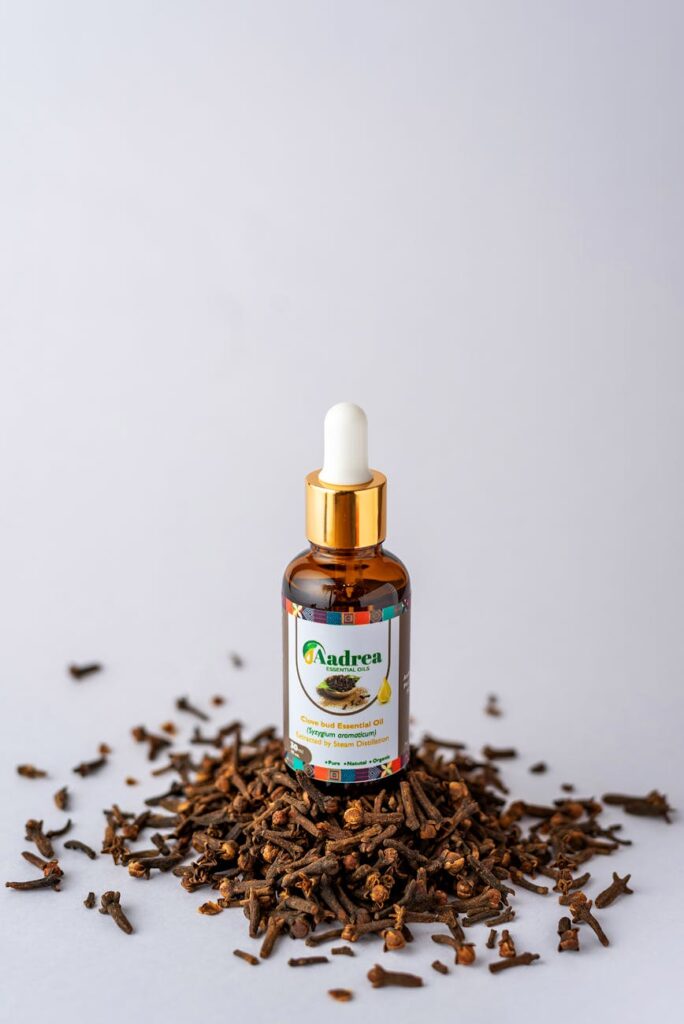
Benefits of Cinnamon Extract
Introduction
Cinnamon, a spice derived from the inner bark of trees belonging to the genus Cinnamomum, has been cherished for centuries for its aromatic and flavoring properties. Beyond its culinary uses, cinnamon extract has gained popularity in the realms of aromatherapy and natural health. This article delves into the intricacies of cinnamon extract, exploring its composition, benefits, common applications, and more.
What Is Cinnamon Extract?
Cinnamon extract is a concentrated form of the essential oils and active compounds found in cinnamon bark. There are primarily two types of cinnamon: Ceylon (often referred to as “true cinnamon”) and Cassia, which is more commonly found in grocery stores. The extract can be derived from either type, although they have different flavor profiles and properties.
The extraction process typically involves steam distillation or solvent extraction to obtain the essential oils and beneficial compounds. The resulting extract is rich in substances such as cinnamaldehyde, eugenol, and various antioxidants, which contribute to its characteristic aroma and potential benefits.
Key Benefits and Properties
Cinnamon extract is renowned for its diverse range of properties and benefits, which can be categorized as follows:
1. Antioxidant Properties
Cinnamon extract is rich in antioxidants, which play a critical role in combating oxidative stress in the body. Antioxidants help neutralize free radicals, potentially reducing cellular damage and promoting overall wellness.
2. Anti-inflammatory Effects
Certain compounds in cinnamon extract are believed to possess anti-inflammatory properties. These effects may help in reducing inflammation in the body, which is linked to various chronic diseases.
3. Antimicrobial Activity
Cinnamon extract has demonstrated antimicrobial properties against a variety of pathogens, including bacteria and fungi. This makes it a valuable addition to natural preservative formulations and hygiene products.
4. Digestive Support
Traditionally, cinnamon has been used to aid digestion. Its extract is thought to stimulate digestive enzymes, promote gut health, and provide relief from digestive issues such as gas and bloating.
5. Blood Sugar Regulation
Some studies suggest that cinnamon extract may play a role in supporting healthy blood glucose levels. While research is ongoing, this property has piqued the interest of those exploring natural methods for blood sugar management.
6. Mood Enhancement
The aromatic compounds in cinnamon extract are believed to have a positive impact on mood and cognitive function. Inhalation of cinnamon essential oil may promote feelings of comfort and warmth, contributing to mental well-being.
Common Uses
Cinnamon extract is versatile and can be found in various applications, including:
1. Culinary Uses
Cinnamon extract is often used in baking, cooking, and beverage preparation to impart a sweet and spicy flavor. It can be added to desserts, teas, and savory dishes.
2. Natural Preservative
Due to its antimicrobial properties, cinnamon extract is also utilized as a natural preservative in food products. Its ability to inhibit bacterial growth can extend shelf life while maintaining flavor.
3. Cosmetic and Skincare Products
In the beauty industry, cinnamon extract is increasingly found in skincare formulations due to its antioxidant and antimicrobial properties. It may be included in creams, serums, and cleansers aimed at promoting healthy skin.
4. Aromatherapy
Cinnamon extract is commonly used in essential oil blends for its warm, comforting aroma. It can enhance the sensory experience of a space and is often combined with other essential oils for therapeutic effects.
Aromatherapy Applications
Aromatherapy utilizes essential oils, including cinnamon extract, to promote physical and emotional well-being. Here are some common applications:
1. Diffusion
When diffused, cinnamon extract can create a warm and inviting atmosphere. It is often combined with other essential oils, such as clove or orange, to enhance its fragrance and therapeutic effects.
2. Massage Oils
Cinnamon extract can be diluted in carrier oils for use in massage. Its warming properties may enhance the relaxation experience and improve circulation.
3. Inhalation
Inhaling the aroma of cinnamon extract can promote feelings of comfort and ease. It is often used in respiratory blends to support respiratory health and relieve tension.
4. Bath Products
Cinnamon extract can be added to bath oils or salts for a soothing and aromatic bathing experience. Its warm scent can enhance relaxation and create a comforting atmosphere.
Safety Considerations
While cinnamon extract is generally considered safe for most people when used appropriately, there are some safety considerations to keep in mind:
1. Skin Sensitivity
Cinnamon extract can be irritating to the skin, especially in high concentrations. It is advisable to conduct a patch test before using it in topical applications, especially for those with sensitive skin.
2. Ingestion
Cinnamon extract should be used cautiously in culinary applications, as excessive consumption can lead to adverse effects. It is best to adhere to recommended dosages and consult with a knowledgeable source if unsure.
3. Pregnant and Nursing Women
Pregnant and nursing women should consult with a healthcare provider before using cinnamon extract, as certain compounds may have effects that warrant caution.
4. Allergies
Individuals with allergies to cinnamon or related spices should avoid cinnamon extract altogether. Symptoms of an allergy may include skin irritation, respiratory distress, or gastrointestinal discomfort.
Storage and Shelf Life
Proper storage of cinnamon extract is essential to maintain its quality and potency. Here are some tips:
1. Storage Conditions
Cinnamon extract should be stored in a cool, dark place, away from direct sunlight and heat sources. This helps to prevent degradation of the active compounds.
2. Container Type
Glass containers are preferred for storing cinnamon extract, as they do not interact with the oil and help preserve its integrity. Make sure the container is tightly sealed to prevent oxidation.
3. Shelf Life
Typically, cinnamon extract has a shelf life of 1 to 2 years when stored properly. However, its aromatic and flavor characteristics may diminish over time.
Frequently Asked Questions
1. Can I use cinnamon extract in cooking?
Yes, cinnamon extract can be used in cooking and baking. It adds flavor to a variety of dishes but should be used in moderation.
2. Is cinnamon extract safe for children?
Cinnamon extract can be safe for children in culinary applications in small amounts. However, it is advisable to consult with a healthcare provider for specific recommendations regarding aromatherapy or topical use.
3. How do I use cinnamon extract in aromatherapy?
Cinnamon extract can be used in diffusers, added to bath products, or diluted in carrier oils for massage. Always follow guidelines for dilution to ensure safety.
4. Are there any contraindications for using cinnamon extract?
Individuals with allergies to cinnamon or related spices should avoid using cinnamon extract. Those with certain medical conditions or who are pregnant should consult a healthcare professional before use.
5. Can cinnamon extract expire?
Yes, cinnamon extract can lose potency over time. It is best to check for any changes in smell or appearance and to adhere to recommended storage practices to prolong its shelf life.
Conclusion
Cinnamon extract is a multifaceted substance with a rich history and a wealth of applications in culinary, cosmetic, and aromatherapy practices. Its diverse benefits, including antioxidant, anti-inflammatory, and antimicrobial properties, make it a valuable addition to various products. By understanding its uses and safety considerations, individuals can effectively incorporate cinnamon extract into their daily lives, enjoying its delightful aroma and potential advantages.