
Benefits of Cinnamon Oil
Introduction
Cinnamon oil has gained considerable attention in recent years, celebrated not only for its delightful aroma but also for its versatile benefits in various fields, including aromatherapy, skincare, and culinary applications. Derived from the bark or leaves of the cinnamon tree, this essential oil possesses a rich history that dates back thousands of years. In this article, we will explore what cinnamon oil is, its key benefits and properties, common uses, its applications in aromatherapy, safety considerations, storage tips, and frequently asked questions.
What Is Cinnamon Oil?
Cinnamon oil is an essential oil extracted from the bark or leaves of the Cinnamomum tree, primarily Cinnamomum verum (true cinnamon) and Cinnamomum cassia (Chinese cinnamon). The extraction process typically involves steam distillation, which captures the aromatic compounds present in the plant material. The resulting oil is characterized by its warm, spicy scent and rich brown color.
The primary constituents of cinnamon oil include cinnamaldehyde, eugenol, and various other compounds that contribute to its unique aroma and beneficial properties. Its scent is often described as comforting and invigorating, making it a popular choice in both personal care products and aromatherapy practices.
Key Benefits and Properties
Cinnamon oil is known for its multifaceted benefits, which can be attributed to its chemical composition. Here are some of the key properties:
Antimicrobial Properties
Cinnamon oil has been widely recognized for its antimicrobial effects. Studies suggest that it may inhibit the growth of certain bacteria and fungi, making it a useful ingredient in formulations aimed at promoting a clean and hygienic environment.
Anti-inflammatory Effects
The oil contains compounds that may help reduce inflammation, which is beneficial for various skin conditions and overall well-being.
Antioxidant Benefits
Cinnamon oil is rich in antioxidants, which can help combat oxidative stress in the body. Antioxidants are essential for neutralizing free radicals, thereby supporting overall health.
Mood Enhancer
The warm and spicy aroma of cinnamon oil is often associated with feelings of comfort and relaxation. It is believed to have mood-enhancing properties that can help alleviate stress and anxiety.
Digestive Support
In traditional practices, cinnamon oil has been used to support digestive health. Its carminative properties may help alleviate digestive discomfort, although more research is needed to substantiate these claims.
Common Uses
Cinnamon oil finds its way into various applications due to its pleasant scent and beneficial properties. Here are some common uses:
Culinary Uses
Cinnamon oil is often used in cooking and baking to impart a warm, spicy flavor to dishes. It can be added to beverages, desserts, and even savory meals. However, it should be used sparingly, as its concentrated nature can easily overpower a dish.
Skincare
Due to its antimicrobial and anti-inflammatory properties, cinnamon oil is included in many skincare formulations. It may help manage acne-prone skin and promote a healthy complexion when diluted appropriately.
Household Cleaning
Many household cleaning products incorporate cinnamon oil for its antimicrobial properties and pleasant scent. It can be used to create natural cleaning solutions for surfaces, fabrics, and air fresheners.
Aromatherapy Applications
In the realm of aromatherapy, cinnamon oil is celebrated for its warm and comforting aroma. Here are some ways it can be used:
Diffusion
Using a diffuser, cinnamon oil can be dispersed into the air to create a cozy atmosphere. It is often blended with other essential oils, such as clove, orange, or vanilla, to enhance the overall scent profile.
Massage
When diluted with a carrier oil, cinnamon oil can be used in massage to promote relaxation and relieve tension in the muscles. Its warming properties can enhance the massage experience.
Bathing
Adding a few drops of cinnamon oil to a warm bath can create a soothing and aromatic experience. It can help to ease stress and promote relaxation.
Safety Considerations
While cinnamon oil offers numerous benefits, it is crucial to use it safely:
Skin Sensitivity
Cinnamon oil is potent and may cause skin irritation or sensitivity in some individuals. It is advisable to perform a patch test before applying it topically, especially for those with sensitive skin.
Dilution
Due to its concentrated nature, cinnamon oil should always be diluted with a carrier oil before topical application. Common carrier oils include coconut oil, jojoba oil, or sweet almond oil.
Not for Ingestion
Cinnamon oil is highly concentrated and should not be ingested without the supervision of a qualified professional. Its potency can lead to adverse effects if consumed in large quantities.
Pregnant and Nursing Individuals
Pregnant and nursing individuals should consult a healthcare provider before using cinnamon oil, as its effects during pregnancy are not well-studied.
Storage and Shelf Life
Proper storage of cinnamon oil is essential to maintain its quality and efficacy:
Storage Conditions
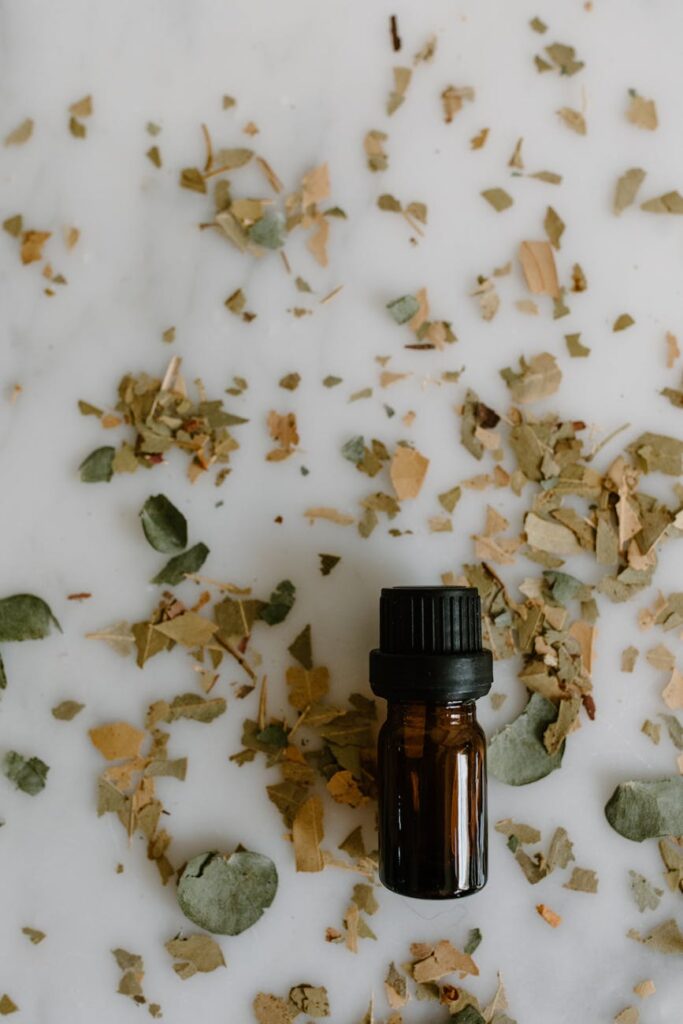
Store cinnamon oil in a cool, dark place, away from direct sunlight and heat sources. A tightly sealed dark glass bottle is ideal for preserving its integrity.
Shelf Life
When stored properly, cinnamon oil can have a shelf life of approximately 1 to 3 years. However, always check for any changes in aroma or appearance before use, as these may indicate that the oil has gone rancid.
Frequently Asked Questions
Can cinnamon oil be used in cooking?
Yes, cinnamon oil can be used in cooking, but it should be used sparingly due to its concentrated nature. It is best to add it in small amounts to avoid overpowering the dish.
Is cinnamon oil safe for children?
Cinnamon oil should be used with caution around children. Always dilute it properly and consult with a healthcare professional if unsure about its use.
How can I use cinnamon oil for aromatherapy?
Cinnamon oil can be used in a diffuser, added to massage oils, or included in bath products to enhance relaxation and create a cozy atmosphere.
Is cinnamon oil suitable for all skin types?
Due to its potential for skin irritation, cinnamon oil may not be suitable for sensitive skin types. It is essential to perform a patch test and dilute the oil before applying it topically.
Where can I buy high-quality cinnamon oil?
High-quality cinnamon oil can be found at health food stores, specialty shops, and online retailers. Look for oils that are labeled as pure and organic to ensure quality.
Conclusion
Cinnamon oil is a versatile and aromatic essential oil with a variety of benefits and applications. From its historical significance to modern uses in aromatherapy and skincare, cinnamon oil continues to be cherished for its unique properties. By understanding its benefits, uses, and safety considerations, individuals can incorporate this delightful oil into their daily lives, enhancing both well-being and the environment around them. As always, it is essential to approach the use of essential oils with respect and care, ensuring a positive experience.