
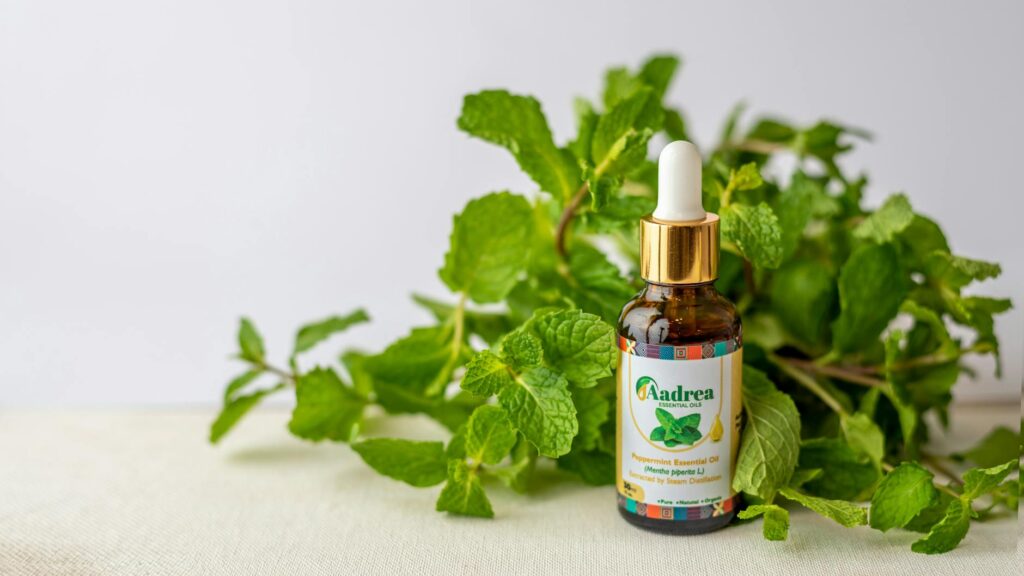
Benefits of Cold Infused Oils
Introduction
Cold infused oils are a delightful and versatile addition to the world of natural products. They harness the essence of botanical materials through a gentle infusion process, yielding oils rich in flavor, aroma, and beneficial properties. This article delves into what cold infused oils are, their benefits, common uses, applications in aromatherapy, and essential safety considerations.
What Is Cold Infused Oils?
Cold infused oils are created by steeping plant materials—such as herbs, flowers, or spices—in a carrier oil without the use of heat. This process allows the active compounds, essential oils, and flavors of the botanicals to be extracted slowly and gently, preserving their integrity. Common base oils used for cold infusion include olive oil, jojoba oil, grapeseed oil, and sweet almond oil.
The process typically involves placing the chosen plant materials in the carrier oil and allowing them to sit in a cool, dark place for a period ranging from several days to several weeks. During this time, the oil absorbs the botanical properties, resulting in a fragrant and flavorful infusion.
Key Benefits and Properties
1. Enhanced Flavor and Aroma
One of the most apparent benefits of cold infused oils is the enhanced flavor and aroma they provide. The gentle extraction process allows for a more nuanced and refined taste, making them ideal for culinary applications. Cold infused oils can elevate dishes, dressings, and marinades with the vibrant notes of the infused botanicals.
2. Rich in Nutrients
Cold infusion preserves the natural nutrients of the botanicals used. For example, herbs like rosemary or thyme boast antioxidants, vitamins, and other phytonutrients that contribute to overall health. These nutrients can impart beneficial properties to the infused oil, making it not only flavorful but also nutritious.
3. Versatility in Application
Cold infused oils are incredibly versatile. They can be used in cooking, skincare, hair care, and aromatherapy. This multifaceted nature allows users to explore various applications, making them a valuable addition to any household.
4. Customizability
Creating cold infused oils allows for a high level of personalization. Individuals can choose their preferred botanicals to suit their tastes or therapeutic needs. For instance, one might infuse olive oil with garlic for culinary use or lavender for a calming aroma in skincare products.
5. Natural Alternative
For those seeking natural alternatives to synthetic oils and flavorings, cold infused oils offer a wholesome solution. They are free from artificial additives and preservatives, making them a cleaner choice for cooking and personal care.
Common Uses
1. Culinary Applications
Cold infused oils can be used in a variety of culinary ways. They can serve as finishing oils for drizzling over salads, pasta, or grilled vegetables. They can also be used in marinades or as a base for dressings. Common infused oils include garlic, basil, and chili oil, each bringing its own unique flavor profile to dishes.
2. Skincare
In skincare, cold infused oils can be incorporated into lotions, creams, and serums. Oils infused with botanicals such as calendula or chamomile are often used for their soothing properties. They can also serve as moisturizers or carriers for essential oils in massage blends.
3. Hair Care
Cold infused oils can enhance hair health when used as a conditioning treatment or scalp massage oil. Infusions with herbs like rosemary or nettle may promote hair growth and shine, while those infused with coconut or argan oil can provide deep nourishment.
4. Aromatherapy
In aromatherapy, cold infused oils can act as carriers for essential oils. They can also be used on their own to impart calming or uplifting aromas. Lavender-infused oil, for example, can promote relaxation, while citrus-infused oils can invigorate the senses.
Aromatherapy Applications
While cold infused oils are not essential oils, they can still play an important role in aromatherapy. Their aromatic qualities can enhance mood and create a soothing atmosphere. Here are a few ways to incorporate them into your aromatherapy practice:
1. Massage Oils
Cold infused oils can be used as massage oils. Infusions that incorporate herbs known for their calming or uplifting properties can enhance the massage experience and provide additional benefits.
2. Diffusers
Although cold infused oils do not have the same potency as essential oils, they can still be used in diffusers. When mixed with a few drops of essential oil, they can create a fragrant and relaxing atmosphere.
3. Bath Oils
Adding cold infused oils to bath water can enhance the bathing experience. Infusions like lavender or chamomile can promote relaxation and stress relief.
Safety Considerations
1. Allergic Reactions
When using cold infused oils, it is essential to be aware of potential allergic reactions. Always conduct a patch test when trying a new infused oil, especially if it contains botanical ingredients that may cause sensitivities.
2. Quality of Botanicals
The quality of the plant materials used for infusion can impact the safety and efficacy of the final product. It is advisable to use high-quality, organic botanicals to minimize exposure to pesticides and contaminants.
3. Shelf Life
Cold infused oils have a limited shelf life, generally ranging from six months to a year, depending on the type of carrier oil and botanicals used. It is essential to store them properly to prevent rancidity.
Storage and Shelf Life
To maximize the shelf life of cold infused oils, store them in a cool, dark place, preferably in a glass bottle with a tight-fitting lid to prevent exposure to light and air. Some infused oils may require refrigeration, especially those with fresh herbs, to extend their usability.
As a general guideline, the shelf life of different carrier oils may vary:
- Olive Oil: Approximately 1-2 years
- Jojoba Oil: 2-3 years
- Sweet Almond Oil: 1 year
- Grapeseed Oil: 6 months to 1 year
Always check for any changes in smell, color, or consistency, which may indicate spoilage.
Frequently Asked Questions
1. Can I use any plant for cold infusion?
While many herbs, flowers, and spices can be used for cold infusion, it is essential to ensure they are safe for topical or culinary use. Researching the specific plant is advisable before using it for infusion.
2. How do I know if my cold infused oil has gone bad?
Signs of spoilage can include an off smell, cloudiness, or changes in color or consistency. If any of these changes occur, it is best to discard the oil.
3. Can I infuse oils using heat?
While heat can speed up the infusion process, it may degrade some of the beneficial properties of the botanicals. Cold infusion is generally preferred for preserving the integrity of the ingredients.
4. How long should I let my oils infuse?
The infusion time can vary based on the botanicals and personal preference. A typical range is between 1-4 weeks, but some prefer longer infusion times for a more potent flavor or aroma.
Conclusion
Cold infused oils offer a plethora of benefits, from enhanced flavors in cooking to versatile applications in skincare and aromatherapy. Their customizability and natural composition make them a valuable addition to any household. By understanding the benefits, uses, and safety considerations of cold infused oils, individuals can enjoy the rich properties of nature in their everyday lives.