
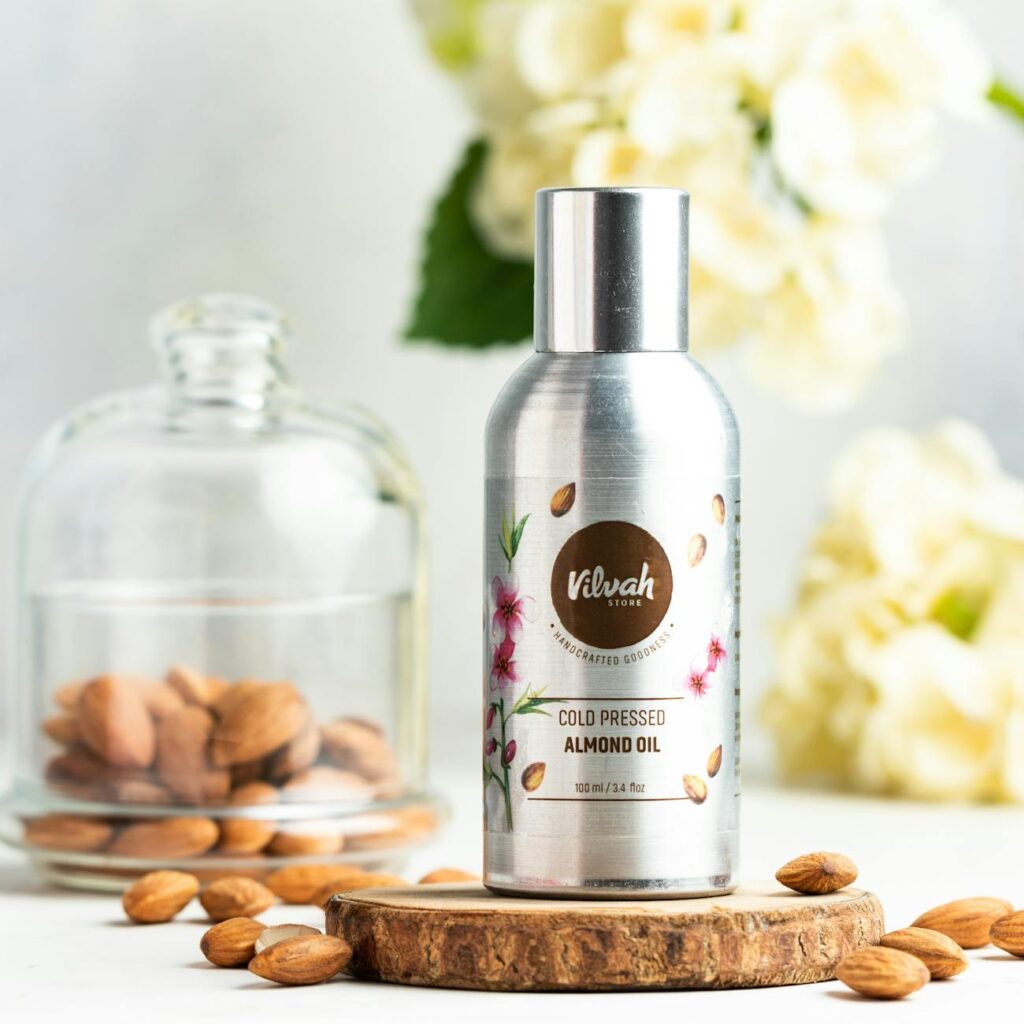
Benefits of Cold-Pressed Almond Oil
Introduction
Almond oil, derived from the seeds of the almond tree (Prunus amygdalus), has been cherished for centuries for its nutritional and therapeutic properties. Among the various extraction methods available, cold-pressing is considered one of the most effective ways to retain the oil’s beneficial components. This article aims to explore the various aspects of cold-pressed almond oil, including its definition, benefits, common uses, and applications in aromatherapy.
What Is Cold-Pressed Almond Oil?
Cold-pressed almond oil is obtained by mechanically pressing raw almonds at low temperatures, ensuring that the oil retains its natural flavor, aroma, and beneficial properties. Unlike refined almond oil, which undergoes additional processing and may lose some of its nutrients, cold-pressed almond oil is minimally processed. This method preserves the oil’s vitamins, minerals, and antioxidants, making it a highly sought-after ingredient in both culinary and cosmetic applications.
Key Benefits and Properties
Nutritional Profile
Cold-pressed almond oil is rich in essential nutrients, including:
- Monounsaturated Fatty Acids: This oil is primarily composed of oleic acid, which is known for its heart-healthy properties.
- Vitamins: Almond oil is a good source of vitamin E, an antioxidant that helps combat oxidative stress in the body. It also contains B vitamins, which are crucial for energy metabolism.
- Minerals: Magnesium, calcium, and potassium are present in almond oil, contributing to overall health.
- Cooking: Its mild flavor makes it suitable for cooking, sautéing, and salad dressings.
- Baking: Almond oil can be used as a substitute for other oils or butter in baking recipes.
- Nutritional Supplement: It can be added to smoothies or other beverages for an extra nutritional boost.
- Skincare: Almond oil is commonly found in lotions, creams, and serums. It can be used as a standalone moisturizer or mixed with essential oils for added benefits.
- Hair Care: Many hair care products feature almond oil for its conditioning properties. It can also be used as a hair mask or treatment.
- Allergies: People with nut allergies should avoid almond oil, as it may trigger allergic reactions.
- Patch Test: It is advisable to perform a patch test before using almond oil topically, especially for those with sensitive skin.
- Consultation: Although this article does not provide medical advice, individuals with specific health concerns or conditions should consult a healthcare professional before incorporating almond oil into their routine.
- Containers: Store almond oil in a dark glass bottle to protect it from light, which can degrade its quality over time.
- Temperature: Keep it in a cool, dark place, away from heat sources and sunlight.
- Shelf Life: Cold-pressed almond oil typically has a shelf life of about 12-24 months when stored correctly. Check for any off-smells or changes in color before use, as these can indicate spoilage.
Skin Benefits
1. Moisturizing Properties: Cold-pressed almond oil is an excellent emollient that hydrates and softens the skin. Its ability to penetrate deeply makes it beneficial for dry, flaky skin.
2. Anti-Inflammatory Effects: The oil contains anti-inflammatory compounds that may help soothe conditions like eczema and psoriasis.
3. Anti-Aging Properties: Vitamin E in almond oil helps to protect the skin from free radicals, potentially reducing the appearance of fine lines and wrinkles.
4. Sun Protection: While it should not replace sunscreen, almond oil does offer some degree of UV protection due to its antioxidant properties.
Hair Benefits
1. Strengthening: Cold-pressed almond oil can strengthen hair strands, reducing breakage and split ends.
2. Shine and Luster: Regular use can lead to shinier and healthier-looking hair, thanks to its nourishing properties.
3. Scalp Health: Its anti-inflammatory and moisturizing benefits can promote a healthy scalp, reducing dandruff and itchiness.
Common Uses
Cold-pressed almond oil is versatile and can be used in various applications:
Culinary Uses
Cosmetic Uses
Aromatherapy Applications
In aromatherapy, cold-pressed almond oil serves as a carrier oil due to its light texture and neutral scent. It is often used to dilute essential oils, making them safe for topical application. Some popular uses include:
1. Massage Oil: Blending essential oils with almond oil creates a nourishing massage oil that hydrates the skin and enhances relaxation.
2. Skin Treatments: When mixed with essential oils, almond oil can be used in skincare routines to target specific concerns like dryness or irritation.
3. Diffuser Blends: While almond oil is not typically used in diffusers, it can be part of a massage blend after being applied to the skin to enhance the experience.
Safety Considerations
While cold-pressed almond oil is generally safe for most people, there are a few considerations to keep in mind:
Storage and Shelf Life
To maintain the quality of cold-pressed almond oil, proper storage is essential:
Frequently Asked Questions
1. Is cold-pressed almond oil suitable for all skin types?
Yes, cold-pressed almond oil is generally suitable for all skin types, including sensitive skin. However, those with nut allergies should avoid it.
2. Can cold-pressed almond oil be used for cooking?
Yes, cold-pressed almond oil can be used for cooking and baking. Its mild flavor makes it an excellent choice for salad dressings and sautéing.
3. How can I incorporate cold-pressed almond oil into my skincare routine?
You can use almond oil as a moisturizer, mix it with essential oils for targeted treatments, or add it to your bath for added hydration.
4. Does cold-pressed almond oil help with hair growth?
While cold-pressed almond oil can nourish and strengthen hair, promoting growth is primarily influenced by genetics and overall health. However, a healthy scalp can support better hair growth.
5. How do I know if my almond oil has gone bad?
Signs that almond oil has gone bad include an off smell, discoloration, or a change in texture. If you notice any of these signs, it is best to discard it.
Conclusion
Cold-pressed almond oil is a versatile and beneficial oil that can enhance both culinary and cosmetic practices. Its rich nutritional profile, skin and hair benefits, and applications in aromatherapy make it a valuable addition to any natural health routine. While it is essential to be aware of allergies and storage considerations, the numerous advantages of cold-pressed almond oil make it a worthy choice for anyone interested in enhancing their wellness journey.