
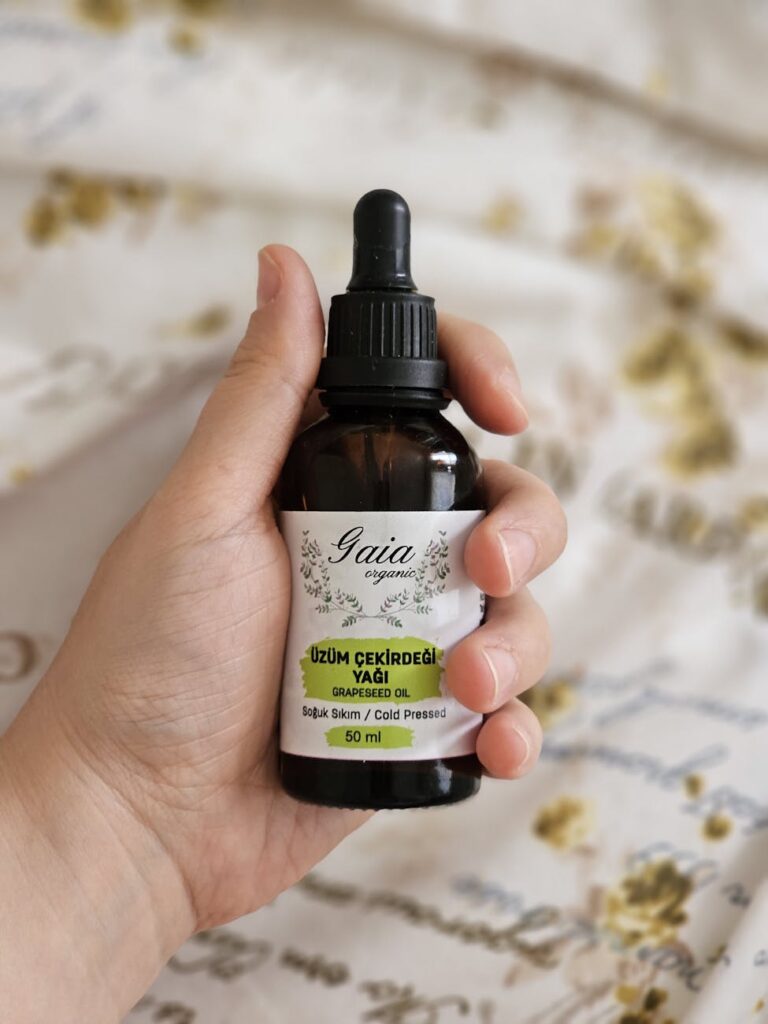
Benefits of Cold-Pressed Chia Seed Oil
Introduction
Chia seeds, derived from the Salvia hispanica plant native to Central and South America, have gained significant attention in recent years for their nutritional benefits. While the seeds themselves are often celebrated for their high fiber and omega-3 fatty acid content, cold-pressed chia seed oil is emerging as a valued component in both culinary and personal care applications. This article explores the properties, benefits, and uses of cold-pressed chia seed oil, providing a comprehensive understanding of its role in health and wellness.
What Is Cold-Pressed Chia Seed Oil?
Cold-pressed chia seed oil is extracted from the seeds of the chia plant using a mechanical pressing method that does not involve heat. This process preserves the oil’s natural nutrients, flavor, and aroma, making it a desirable option for those seeking high-quality oils. The oil is rich in essential fatty acids, particularly alpha-linolenic acid (ALA), which is a type of omega-3 fatty acid. In addition to fatty acids, chia seed oil contains a variety of antioxidants, vitamins, and minerals, contributing to its functional benefits.
Key Benefits and Properties
1. Rich in Omega-3 Fatty Acids
Chia seed oil is particularly notable for its high omega-3 fatty acid content, primarily ALA. This essential fatty acid is known for its potential benefits in promoting heart health, reducing inflammation, and supporting brain function.
2. Antioxidant Properties
The oil contains significant amounts of antioxidants, such as tocopherols and polyphenols. These compounds help neutralize free radicals in the body, potentially reducing oxidative stress and supporting overall wellness.
3. Skin Nourishment
Cold-pressed chia seed oil is often used in skincare due to its moisturizing and nourishing properties. It is easily absorbed by the skin, helping to hydrate and maintain skin elasticity. The oil’s anti-inflammatory properties may also help soothe irritated skin.
4. Nutrient Dense
In addition to omega-3 fatty acids, chia seed oil contains various essential vitamins and minerals, including vitamin E, calcium, and magnesium. These nutrients contribute to its overall health benefits and make it a valuable addition to a balanced diet.
5. Potential Digestive Support
Though more research is needed, some studies suggest that the oil may aid in digestive health due to its high fiber content when consumed in conjunction with chia seeds.
Common Uses
Culinary Applications
Cold-pressed chia seed oil can be utilized in various culinary contexts. It has a mild, nutty flavor that enhances salads, smoothies, and dressings. It is best used as a finishing oil rather than for cooking, as high heat can degrade its beneficial properties.
Skincare Products
Due to its hydrating and nourishing qualities, chia seed oil is frequently incorporated into skincare products such as lotions, creams, and serums. It can be applied directly to the skin or blended with other oils for enhanced benefits.
Hair Care
Chia seed oil can also benefit hair health. Its moisturizing properties may help alleviate dryness and frizz, making it a popular ingredient in hair masks and conditioners.
Nutritional Supplements
Some individuals choose to take chia seed oil in capsule form as a dietary supplement, seeking to benefit from its omega-3 content without the need to consume the seeds directly.
Aromatherapy Applications
While chia seed oil is not commonly used as a primary essential oil in aromatherapy, it can serve as a carrier oil, diluting more concentrated essential oils for topical application. This use is beneficial due to its skin-friendly properties, allowing for the safe application of essential oils on the skin.
Blending with Essential Oils
Chia seed oil can be blended with other essential oils, such as lavender or tea tree oil, to create personalized aromatherapy products. This combination can enhance the therapeutic effects of the essential oils while providing additional moisturizing benefits.
Safety Considerations
While cold-pressed chia seed oil is generally considered safe for most individuals, some precautions should be taken:
Allergies
Individuals with a known allergy to chia seeds should avoid using chia seed oil, as it may trigger allergic reactions.
Skin Sensitivity
Though it is typically well-tolerated, performing a patch test is advisable before using chia seed oil on sensitive skin. This can help identify any potential adverse reactions.
Pregnant or Nursing Women
As with any oil or supplement, pregnant or nursing women should consult with a healthcare professional before adding chia seed oil to their diet or skincare routine.
Storage and Shelf Life
To preserve the quality of cold-pressed chia seed oil, proper storage is essential. It should be kept in a cool, dark place, preferably in a dark glass bottle to protect it from light and heat.
Shelf Life
Cold-pressed chia seed oil typically has a shelf life of approximately 6 to 12 months when stored properly. It is advisable to check for any off-odors or changes in appearance, as these may indicate that the oil has gone rancid.
Frequently Asked Questions
1. Can I cook with chia seed oil?
While you can use chia seed oil in cooking, it is best suited for low-heat applications or as a finishing oil to preserve its beneficial properties. High heat can degrade its nutrients.
2. How should I incorporate chia seed oil into my diet?
Chia seed oil can be added to smoothies, salad dressings, or drizzled over cooked vegetables. It can also be taken in capsule form for those who prefer not to use the oil directly.
3. Is chia seed oil suitable for all skin types?
Chia seed oil is generally well-tolerated by most skin types, but individuals with sensitive skin should perform a patch test before widespread application.
4. How can I tell if my chia seed oil has gone bad?
Signs of rancidity include an off smell, unusual color, or a change in texture. If you notice any of these signs, it is best to discard the oil.
5. Can chia seed oil help with weight management?
While chia seed oil is rich in omega-3 fatty acids and may support overall wellness, it should not be viewed as a weight-loss solution. A balanced diet and exercise are essential for effective weight management.
Conclusion
Cold-pressed chia seed oil is a versatile and nutrient-rich oil that offers numerous benefits for both culinary and personal care applications. Its high omega-3 fatty acid content, antioxidant properties, and skin-nourishing capabilities make it a valuable addition to a balanced lifestyle. Whether incorporated into meals, skincare routines, or as a carrier oil in aromatherapy, understanding how to use chia seed oil effectively can enhance your overall health and wellness. As with any product, it is important to use it mindfully and be aware of any personal sensitivities or allergies.