
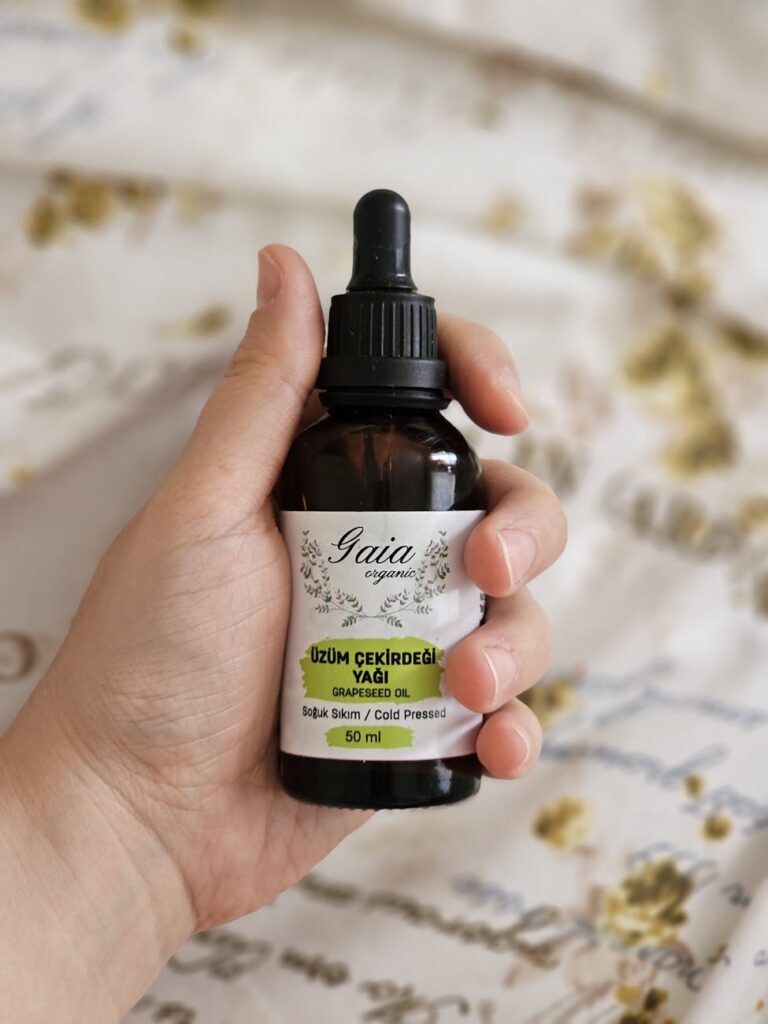
Benefits of Cold Pressed Oils
Introduction
Cold pressed oils have gained significant attention in recent years, particularly in the realms of health, beauty, and culinary arts. Known for their rich flavors and nutrient density, these oils are extracted without the use of heat or chemicals, preserving their natural properties. This article explores the benefits, common uses, and applications of cold pressed oils, while also addressing safety considerations and storage recommendations.
What Is Cold Pressed Oils?
Cold pressed oils are derived from various seeds, nuts, and fruits through a mechanical extraction process that does not involve heat. This method retains the oil’s natural properties, including flavor, aroma, and nutritional value. The process involves crushing the raw material and then pressing it to extract the oil. The absence of heat ensures that sensitive compounds, such as essential fatty acids, vitamins, and antioxidants, remain intact.
Common examples of cold pressed oils include:
- Olive oil
- Coconut oil
- Avocado oil
- Sunflower oil
- Almond oil
- Sweet Almond Oil: Known for its light texture, it is often used to dilute essential oils and can be easily absorbed by the skin.
- Jojoba Oil: Similar to human sebum, jojoba oil is often used in aromatherapy blends and skincare products as it helps balance oil production.
- Allergies: Individuals with allergies to specific nuts or seeds should avoid oils derived from those sources.
- Quality: Always opt for high-quality, organic cold pressed oils to ensure purity and avoid potential contaminants.
- Storage: Proper storage is essential to maintain the oil’s quality and prevent rancidity.
- Cool, Dark Place: Store oils in a cool, dark cabinet or pantry to protect them from light and heat, which can accelerate oxidation.
- Sealed Containers: Use dark glass bottles or tightly sealed containers to minimize exposure to air.
- Refrigeration: Some oils, particularly those high in polyunsaturated fats like flaxseed oil, may benefit from refrigeration to extend their shelf life.
Each type of oil possesses unique characteristics that cater to various culinary and therapeutic applications.
Key Benefits and Properties
Nutrient Density
Cold pressed oils are rich in essential fatty acids, vitamins, and antioxidants. They often contain high levels of polyunsaturated and monounsaturated fats, which are known to support heart health. For example, olive oil is abundant in oleic acid, a monounsaturated fat linked to various health benefits.
Flavor and Aroma
The cold pressing process helps retain the natural flavor and aroma of the source material. This characteristic makes these oils particularly desirable in culinary applications where flavor is paramount. For instance, the distinct taste of cold pressed extra virgin olive oil can enhance a dish’s overall profile.
Antioxidant Properties
Many cold pressed oils are rich in antioxidants, which can help combat oxidative stress in the body. Antioxidants neutralize free radicals, potentially reducing the risk of chronic diseases. Oils such as flaxseed and hemp seed oil contain high levels of omega-3 fatty acids and other antioxidants.
Skin and Hair Benefits
Cold pressed oils are widely recognized for their moisturizing and nourishing properties, making them popular in skincare and haircare products. Oils like jojoba and argan oil can help hydrate the skin and improve its elasticity, while also providing essential nutrients that promote healthy hair.
Common Uses
Culinary Applications
Cold pressed oils are often used in cooking, salad dressings, and marinades. Their rich flavors can enhance various dishes, from salads to grilled vegetables. Some oils, such as avocado oil, have a high smoke point and are suitable for cooking at higher temperatures.
Skin Care
In skincare, cold pressed oils serve as effective moisturizers and carriers for essential oils. They can be used in massage oils, lotions, and serums. Many people incorporate oils like sweet almond or coconut oil in their daily skincare routines for added hydration.
Hair Care
Cold pressed oils are frequently found in hair care products due to their nourishing properties. They can be used as hair masks, conditioners, or styling products. Oils like argan and coconut oil can help improve hair texture and shine.
Aromatherapy Applications
Aromatherapy is a holistic practice that utilizes essential oils for emotional and physical well-being. Cold pressed oils can serve as carrier oils for essential oils, facilitating their application and enhancing their effects. Some commonly used cold pressed oils in aromatherapy include:
Cold pressed oils can also be used in diffusers, providing a subtle and enriching aroma to a space. Their natural scents can evoke feelings of relaxation and well-being.
Safety Considerations
While cold pressed oils are generally safe for most people, there are some precautions to consider:
Storage and Shelf Life
To maximize the shelf life of cold pressed oils, consider the following storage tips:
Generally, cold pressed oils have a shelf life ranging from six months to two years, depending on the type of oil and storage conditions. Always check for signs of rancidity, such as an off smell or flavor, before use.
Frequently Asked Questions
1. What is the difference between cold pressed and refined oils?
Cold pressed oils are extracted without heat, preserving their natural properties, while refined oils undergo processing that often involves heat and chemicals, resulting in a more neutral flavor and longer shelf life but fewer nutrients.
2. Are cold pressed oils suitable for cooking?
Yes, many cold pressed oils, such as avocado and olive oil, are suitable for cooking. However, it is essential to consider the oil’s smoke point when using it for high-heat cooking.
3. Can cold pressed oils cause allergic reactions?
Yes, individuals with allergies to specific seeds or nuts should avoid cold pressed oils derived from those sources. Always perform a patch test when using a new oil topically.
4. Can I use cold pressed oils for skin and hair care?
Absolutely! Cold pressed oils are popular in skincare and haircare due to their nourishing properties. They can be used on their own or as carriers for essential oils.
5. How do I know if my cold pressed oil has gone bad?
Signs of rancidity include an off or unpleasant odor, changes in flavor, and a cloudy appearance. If any of these signs are present, it’s best to discard the oil.
Conclusion
Cold pressed oils offer a wealth of benefits, ranging from culinary applications to skincare and aromatherapy. Their nutrient density, rich flavors, and natural properties make them a valuable addition to any household. By understanding their benefits, uses, and proper storage methods, individuals can fully appreciate the advantages of incorporating cold pressed oils into their daily lives.