
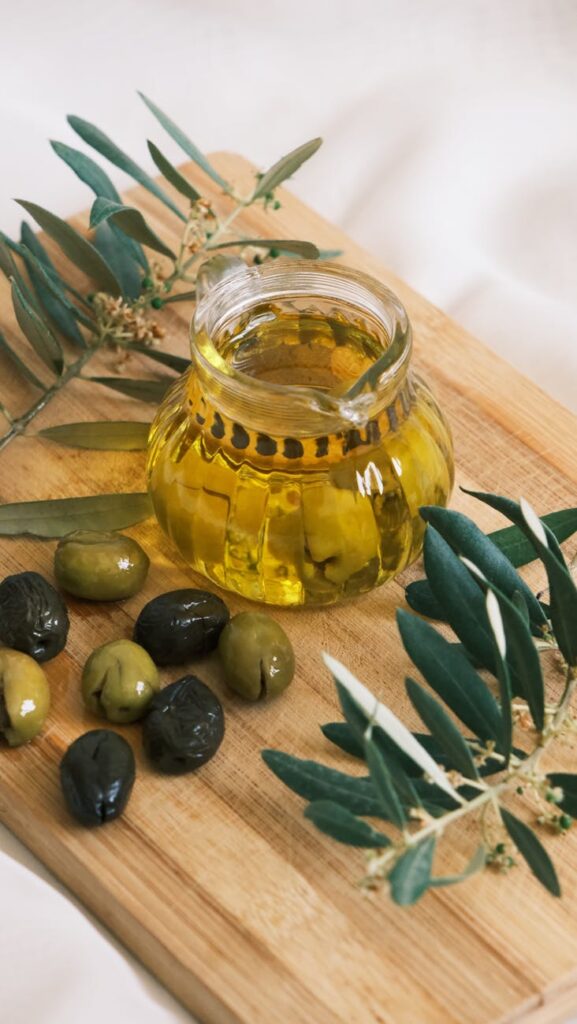
Benefits of Cold-Pressed Olive Pomace Oil
Introduction
Cold-pressed olive pomace oil is a lesser-known derivative of olive oil that has garnered attention for its unique properties and applications. Extracted from the pomace—the solid remains of olives after the extraction of virgin olive oil—this oil offers a range of benefits that make it valuable not only in culinary practices but also in skincare, aromatherapy, and various industrial applications. This article will explore the characteristics, benefits, and uses of cold-pressed olive pomace oil, providing an in-depth understanding of its role in various domains.
What Is Cold-Pressed Olive Pomace Oil?
Cold-pressed olive pomace oil is produced from the residual pulp, skins, and seeds left after the initial pressing of olives for virgin olive oil. Unlike virgin olive oil, which is made from fresh olives and is considered of higher quality, pomace oil is derived from the byproducts of the extraction process.
The production process involves the use of a solvent, typically hexane, to extract the oil from the pomace. However, cold-pressed olive pomace oil emphasizes low-temperature extraction methods to preserve the oil’s beneficial properties while minimizing the use of chemicals. This results in an oil that retains some of the nutritional benefits of olives, albeit to a lesser extent than virgin olive oil.
Key Benefits and Properties
Nutritional Content
Cold-pressed olive pomace oil contains various beneficial nutrients, including monounsaturated fatty acids, particularly oleic acid, which is known for its heart-healthy properties. It also contains antioxidants, vitamins E and K, and polyphenols, which may contribute to overall health.
Skin Benefits
Rich in fatty acids and antioxidants, cold-pressed olive pomace oil possesses moisturizing and nourishing properties. It can help improve skin hydration, elasticity, and overall texture. Additionally, its antioxidant content may help combat oxidative stress, a contributor to skin aging.
Culinary Uses
Due to its relatively high smoke point compared to other olive oils, cold-pressed olive pomace oil is suitable for various cooking methods, including frying and sautéing. Its flavor is often milder than virgin olive oil, making it versatile in salad dressings, marinades, and baking.
Industrial Applications
Beyond culinary and cosmetic uses, cold-pressed olive pomace oil is also utilized in the cosmetic and pharmaceutical industries. Its emollient properties make it a popular ingredient in lotions, creams, and hair care products, enhancing their moisturizing capabilities.
Common Uses
Culinary Applications
1. Cooking Oil: Cold-pressed olive pomace oil is ideal for roasting, frying, and sautéing, thanks to its higher smoke point (around 410°F or 210°C).
2. Dressings and Marinades: Its mild flavor makes it an excellent base for salad dressings and marinades, allowing other ingredients to shine while adding a touch of richness.
3. Baking: This oil can be used in baking recipes where a light flavor is desired, such as cakes and pastries.
Skincare and Cosmetic Uses
1. Moisturizer: It can be applied directly to the skin as a natural moisturizer, helping to hydrate and protect against dryness.
2. Massage Oil: Its smooth texture makes it suitable for use as a massage oil, providing a nourishing glide while delivering its beneficial properties to the skin.
3. Hair Care: Cold-pressed olive pomace oil can be used as a conditioner or treatment for dry or frizzy hair, helping to restore moisture and shine.
Industrial Uses
1. Soap Making: This oil is often included in the formulation of soaps due to its moisturizing properties.
2. Cosmetics: It is found in a variety of cosmetic products, including lotions, creams, and serums, where it acts as an emollient and carrier oil.
Aromatherapy Applications
While not as commonly used in aromatherapy as essential oils, cold-pressed olive pomace oil can serve as a carrier oil. Carrier oils are essential for diluting essential oils before topical application, as they help in spreading and absorbing the oil without causing skin irritation.
Blending with Essential Oils
Cold-pressed olive pomace oil can be blended with various essential oils for aromatherapy purposes. For example, it can be mixed with lavender for a relaxing massage oil or with eucalyptus for a refreshing and invigorating scent. Its mild scent does not overpower essential oils, allowing their therapeutic properties to shine through.
Skin Sensitivity
When using cold-pressed olive pomace oil in aromatherapy, it is important to conduct a patch test to ensure that there are no allergic reactions or sensitivities, particularly if blended with essential oils.
Safety Considerations
While cold-pressed olive pomace oil is generally safe for most people, certain precautions should be taken:
1. Allergic Reactions: Individuals with olive allergies should avoid using this oil in any form.
2. Skin Sensitivity: Conduct a patch test before applying the oil topically, especially when mixed with essential oils.
3. Quality of Oil: Ensure you purchase high-quality oil from reputable sources to avoid adulteration or contamination.
Storage and Shelf Life
To maintain the quality of cold-pressed olive pomace oil, proper storage is essential. Here are some tips:
1. Containers: Store the oil in dark glass or stainless steel containers to protect it from light, which can degrade its quality.
2. Temperature: Keep the oil in a cool, dark place, away from direct sunlight and heat sources, to prolong its shelf life.
3. Shelf Life: When stored correctly, cold-pressed olive pomace oil can last up to 18 months. It is advisable to check for any off odors or changes in color before use, as these may indicate rancidity.
Frequently Asked Questions
Is cold-pressed olive pomace oil the same as virgin olive oil?
No, cold-pressed olive pomace oil is a byproduct of the olive oil extraction process and is typically of lower quality than virgin olive oil, which is made from fresh olives.
Can I use cold-pressed olive pomace oil for cooking?
Yes, cold-pressed olive pomace oil is suitable for various cooking methods, including frying and sautéing, due to its higher smoke point.
Is cold-pressed olive pomace oil safe for all skin types?
While generally safe, individuals with olive allergies or sensitive skin should exercise caution and conduct a patch test before using it topically.
Can I use cold-pressed olive pomace oil in aromatherapy?
Yes, it can be used as a carrier oil for essential oils in aromatherapy applications, but always perform a patch test first.
How do I know if my olive pomace oil is of good quality?
Look for reputable brands that provide information about the oil’s extraction process and storage conditions. Check for certifications or quality seals that indicate purity.
Conclusion
Cold-pressed olive pomace oil is an underappreciated oil that offers a variety of benefits across culinary, cosmetic, and industrial applications. With its unique properties and versatility, it serves as an excellent alternative to other oils, enriching our cooking and skincare routines while providing valuable nutrients. By understanding its uses and safety considerations, one can fully appreciate the role of this oil in everyday life. Whether you are a chef, a skincare enthusiast, or someone looking to explore the world of natural oils, cold-pressed olive pomace oil offers something for everyone.