
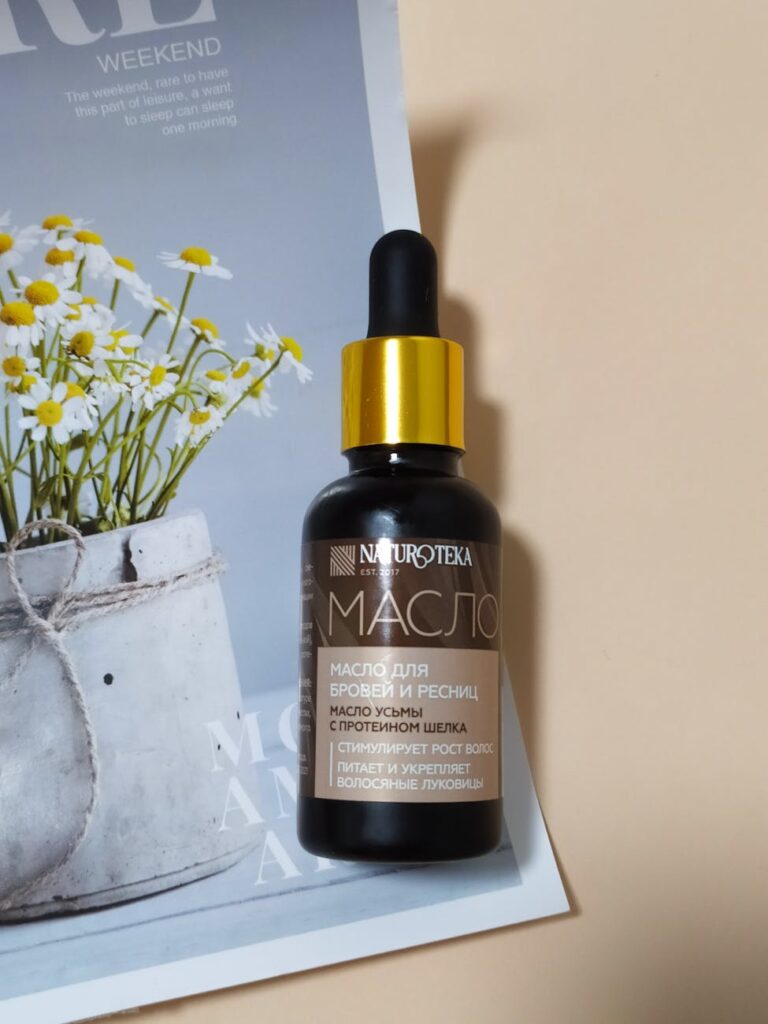
Benefits of Cold-Pressed Rice Bran Oil
Introduction
Cold-pressed rice bran oil has garnered attention in recent years for its versatile applications in cooking, skin care, and even aromatherapy. Extracted from the outer layer of rice grains, this oil is rich in nutrients and has a variety of beneficial properties. This article explores the definition, benefits, uses, and safety considerations of cold-pressed rice bran oil, providing a comprehensive overview for those interested in its potential applications.
What Is Cold-Pressed Rice Bran Oil?
Cold-pressed rice bran oil is derived from the bran layer of rice grains through a mechanical pressing process that does not involve heat. This method preserves the oil’s natural properties, ensuring that essential nutrients remain intact. Rice bran itself is a byproduct of rice milling, making this oil an excellent example of a sustainable product that utilizes what would otherwise be waste.
The oil has a light flavor and a high smoke point, making it suitable for various cooking methods, including frying, sautéing, and baking. Its unique composition, which includes fatty acids, antioxidants, and vitamins, contributes to its growing popularity in both culinary and cosmetic applications.
Key Benefits and Properties
Cold-pressed rice bran oil boasts several beneficial properties, contributing to its versatility and effectiveness in various domains.
Nutritional Profile
Rich in unsaturated fatty acids, particularly oleic and linoleic acids, rice bran oil promotes heart health and may support cholesterol levels. It also contains tocopherols and tocotrienols, which are forms of vitamin E known for their antioxidant properties. This oil is also a good source of phytosterols, which may assist in maintaining healthy cholesterol levels.
Antioxidant Properties
The presence of antioxidants, such as oryzanol and ferulic acid, in rice bran oil helps combat oxidative stress in the body. Antioxidants neutralize free radicals, potentially reducing the risk of chronic diseases and promoting overall health.
Skin Benefits
Rice bran oil is often used in cosmetics and skincare products due to its moisturizing and nourishing properties. It is easily absorbed by the skin, making it suitable for all skin types. The oil helps retain moisture and can improve skin elasticity, making it a popular ingredient in lotions and serums.
Anti-Inflammatory Effects
Some studies suggest that rice bran oil may possess anti-inflammatory properties, which can be beneficial when used topically or consumed. This characteristic makes it a suitable option for individuals with sensitive or irritated skin.
Common Uses
Cold-pressed rice bran oil is versatile and can be used in various applications, including:
Culinary Uses
1. Cooking Oil: Due to its high smoke point (around 450°F or 232°C), rice bran oil is ideal for frying, sautéing, and baking. Its mild flavor allows it to complement a wide range of dishes without overpowering other ingredients.
2. Salad Dressings: The oil can be blended with vinegar or lemon juice to create light and flavorful salad dressings.
3. Marinades: Rice bran oil can be used as a base for marinades, enhancing the flavor and moisture of meats and vegetables.
Cosmetic Uses
1. Moisturizers: Its emollient properties make it a popular choice for lotions, creams, and balms.
2. Massage Oil: The oil can be used in massages due to its smooth texture and skin-nourishing benefits.
3. Hair Care: Rice bran oil may be included in shampoos and conditioners for its ability to improve hair texture and shine.
Aromatherapy Applications
While rice bran oil is primarily known for its culinary and cosmetic uses, it can also serve as a carrier oil in aromatherapy. Carrier oils are used to dilute essential oils before topical application, providing a safe medium for their use.
Blending with Essential Oils
Cold-pressed rice bran oil’s lightweight texture makes it suitable for blending with essential oils. When used in aromatherapy, it can help enhance the absorption of essential oils while providing additional benefits to the skin. Common essential oils that blend well with rice bran oil include lavender, tea tree, and eucalyptus.
Aromatherapy Techniques
1. Topical Application: Mixing essential oils with rice bran oil allows for safe application on the skin, promoting relaxation and soothing properties.
2. Massage: Incorporating essential oils into rice bran oil for massage can amplify the therapeutic benefits of both the oil and the essential oils used.
3. Aromatic Diffusion: While rice bran oil is not typically used in diffusers, it can be combined with essential oils in a massage oil or diffuser blend for a more aromatic experience.
Safety Considerations
While cold-pressed rice bran oil is generally regarded as safe for most individuals, there are some considerations to keep in mind:
Allergies
Individuals with a known allergy to rice should avoid using rice bran oil, as it may trigger allergic reactions. It is always advisable to perform a patch test before using any new oil on the skin.
Quality of Oil
Not all rice bran oils are created equal. It is vital to choose high-quality, cold-pressed oils to ensure that the beneficial properties are preserved. Look for oils that are labeled as organic and free from additives.
Pregnancy and Nursing
While rice bran oil is generally considered safe, pregnant or nursing individuals should consult with a healthcare provider before using any new products, including oils.
Storage and Shelf Life
To maintain the quality and efficacy of cold-pressed rice bran oil, proper storage is essential:
Storage Conditions
- Temperature: Store the oil in a cool, dark place, away from direct sunlight and heat sources. Temperature fluctuations can degrade the oil’s quality.
- Container: Use a dark glass bottle to protect the oil from light, which can cause oxidation and spoilage.
Shelf Life
When stored properly, cold-pressed rice bran oil can last for up to one year. However, always check for any off-smells or changes in color before use, as these can indicate rancidity.
Frequently Asked Questions
Can cold-pressed rice bran oil be used for frying?
Yes, cold-pressed rice bran oil has a high smoke point, making it suitable for frying and other high-heat cooking methods.
Is rice bran oil suitable for all skin types?
Rice bran oil is generally suitable for all skin types due to its lightweight and non-comedogenic nature. However, individuals with specific skin concerns should consult a dermatologist.
How can I incorporate rice bran oil into my diet?
Rice bran oil can be used in salad dressings, marinades, and as a cooking oil for various dishes. Its mild flavor allows it to blend well with other ingredients.
What are the differences between cold-pressed and refined rice bran oil?
Cold-pressed rice bran oil is extracted without heat, preserving its nutrients and flavor. Refined rice bran oil undergoes processing that may strip some of its beneficial properties and flavor.
Can I use rice bran oil in aromatherapy?
Yes, rice bran oil can be used as a carrier oil in aromatherapy, allowing for the safe application of essential oils on the skin.
Conclusion
Cold-pressed rice bran oil is a multifaceted product with a wealth of benefits ranging from culinary uses to skin care applications. Its rich nutrient profile, antioxidant properties, and versatility make it a valuable addition to any home. Whether used in cooking, cosmetics, or aromatherapy, rice bran oil offers a natural and effective way to enhance well-being. Always remember to choose high-quality oils and consult with a healthcare provider when making significant changes to your diet or skincare routine.