
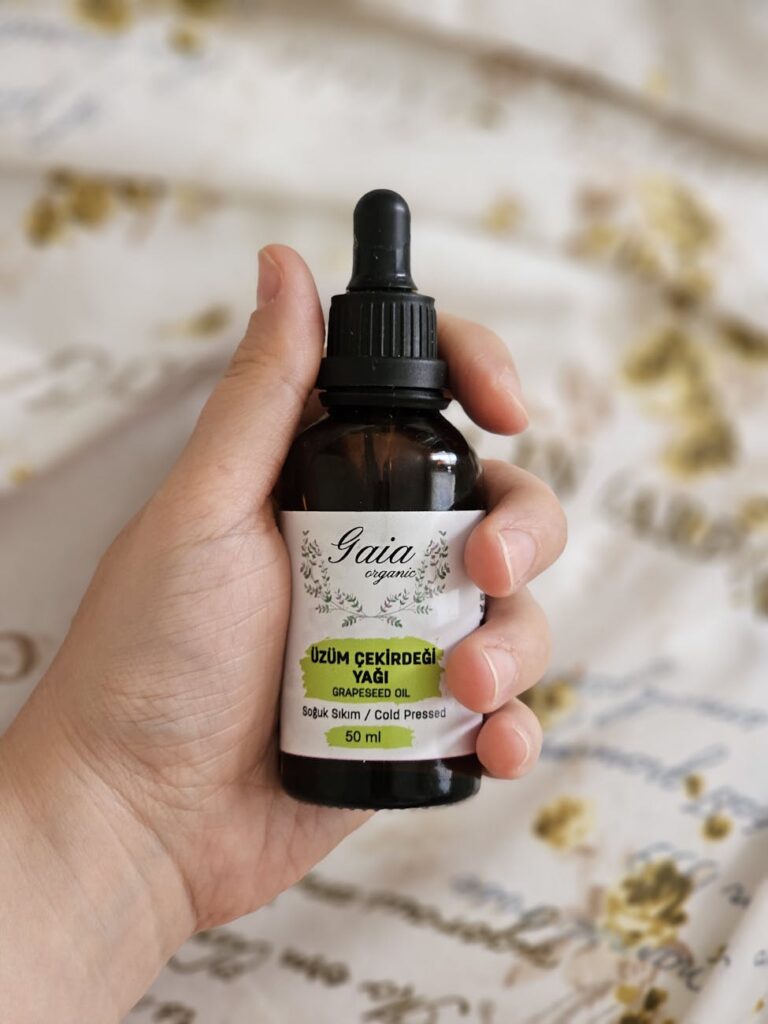
Benefits of Cold-Pressed Safflower Oil
Introduction
Safflower oil, derived from the seeds of the Carthamus tinctorius plant, has been utilized for centuries in various cultures for its culinary and therapeutic properties. Among the different extraction methods, cold-pressed extraction stands out for preserving the oil’s beneficial components. This article delves into the numerous attributes of cold-pressed safflower oil, exploring its benefits, uses, and applications in aromatherapy while addressing safety considerations and storage tips.
What Is Cold-Pressed Safflower Oil?
Cold-pressed safflower oil is extracted from the seeds of the safflower plant without the use of heat or chemicals. This method involves mechanically pressing the seeds, ensuring that the oil retains its natural nutrients, flavor, and aroma. Unlike refined oils, which may undergo high temperatures and chemical processes that strip away beneficial compounds, cold-pressed safflower oil is celebrated for its purity and integrity.
The oil is light in color and has a mild flavor, making it a versatile ingredient in both culinary and cosmetic formulations. Furthermore, this oil is rich in unsaturated fatty acids, making it a sought-after choice for health-conscious individuals.
Key Benefits and Properties
Cold-pressed safflower oil is known for several key benefits and properties:
1. Rich in Unsaturated Fatty Acids
Safflower oil is predominantly composed of polyunsaturated fats, particularly linoleic acid (omega-6 fatty acid), which is essential for maintaining overall health. These fatty acids play a role in cardiovascular health, cholesterol management, and inflammation reduction.
2. Antioxidant Properties
Cold-pressed safflower oil contains vitamin E, a powerful antioxidant that helps combat oxidative stress. Antioxidants are crucial for neutralizing free radicals, potentially reducing the risk of chronic diseases and promoting skin health.
3. Skin Nourishment
The oil is known for its emollient properties, making it an effective moisturizer. It penetrates the skin easily, providing hydration without leaving a greasy residue. This makes it suitable for various skin types, including sensitive and acne-prone skin.
4. Anti-Inflammatory Effects
Some studies suggest that the fatty acids present in safflower oil may help reduce inflammation in the body. This property could be beneficial for maintaining joint health and providing comfort to individuals with inflammatory conditions.
5. Heart Health
Due to its high content of unsaturated fats, cold-pressed safflower oil may support cardiovascular health by improving lipid profiles and reducing bad cholesterol (LDL) levels. Incorporating this oil into a balanced diet could contribute to overall heart wellness.
Common Uses
Cold-pressed safflower oil is versatile and finds application in various domains:
1. Culinary Uses
In the kitchen, cold-pressed safflower oil serves as a cooking oil, salad dressing base, or ingredient in marinades. Its mild flavor complements a wide range of dishes, making it a popular choice for both frying and drizzling.
2. Skincare
In the realm of cosmetics, safflower oil is a common ingredient in lotions, creams, and serums. Its moisturizing properties make it ideal for hydrating dry skin, while its lightweight texture allows for easy absorption.
3. Hair Care
Safflower oil is also used in hair care products, where it can help nourish and hydrate the hair, promoting shine and manageability. It can be applied directly to the scalp or used as part of a hair mask.
4. Massage Oil
Due to its emollient nature, cold-pressed safflower oil is often incorporated into massage blends. It provides a smooth glide and nourishing properties, enhancing the overall experience of relaxation and rejuvenation.
Aromatherapy Applications
Aromatherapy is an integral aspect of wellness that utilizes essential oils for therapeutic benefits. While safflower oil is not an essential oil itself, it can be used as a carrier oil in aromatherapy practices.
1. Carrier Oil
Cold-pressed safflower oil’s lightweight texture makes it an excellent choice for diluting essential oils. It allows for safe topical application, ensuring that the potent properties of essential oils can be enjoyed without irritation.
2. Blending
Due to its neutral scent, safflower oil blends well with a variety of essential oils, including lavender, eucalyptus, and tea tree. This versatility makes it suitable for creating personalized blends tailored to individual preferences and needs.
3. Skin Applications
When combined with essential oils, cold-pressed safflower oil can enhance the therapeutic benefits, such as soothing dry skin or promoting relaxation.
Safety Considerations
While cold-pressed safflower oil is generally considered safe for most individuals, a few safety considerations should be kept in mind:
1. Allergies
Individuals with a known allergy to safflower or related plants should avoid using this oil. Always perform a patch test before applying it to larger areas of the skin to check for potential allergic reactions.
2. Quality and Purity
Opt for high-quality, cold-pressed safflower oil from reputable sources to ensure purity. Avoid oils that have been refined or mixed with additives, as these may alter the oil’s beneficial properties.
3. Pregnancy and Nursing
Pregnant or nursing individuals should consult a healthcare professional before incorporating safflower oil into their routine, especially if they plan to use it in conjunction with essential oils.
Storage and Shelf Life
Proper storage is essential to maintain the quality of cold-pressed safflower oil.
1. Storage Conditions
Store safflower oil in a cool, dark place, away from direct sunlight and heat sources. This will help preserve its nutritional properties and prevent rancidity.
2. Bottle Type
It is advisable to store safflower oil in dark glass bottles to protect it from light exposure. This type of packaging helps maintain the oil’s integrity over time.
3. Shelf Life
Cold-pressed safflower oil typically has a shelf life of about six months to a year when stored correctly. Check for any off-odors or changes in appearance before use, as these may indicate spoilage.
Frequently Asked Questions
1. Can I use cold-pressed safflower oil for cooking?
Yes, cold-pressed safflower oil is suitable for cooking due to its high smoke point, making it ideal for frying and sautéing.
2. Is cold-pressed safflower oil good for sensitive skin?
Yes, its lightweight and emollient properties make it suitable for sensitive skin. However, always perform a patch test before extensive use.
3. Can I use safflower oil in aromatherapy?
While safflower oil is not an essential oil, it can be an effective carrier oil for diluting essential oils in aromatherapy applications.
4. How should I incorporate safflower oil into my skincare routine?
Cold-pressed safflower oil can be applied directly to the skin or blended with essential oils to enhance its moisturizing benefits.
5. What should I look for when purchasing safflower oil?
Choose high-quality, cold-pressed safflower oil from reputable brands to ensure its purity and beneficial properties.
Conclusion
Cold-pressed safflower oil stands as a versatile and beneficial oil, offering a range of applications in culinary, skincare, and aromatherapy practices. With its rich profile of unsaturated fatty acids and antioxidant properties, it serves as a valuable addition to health and wellness routines. By understanding its benefits, uses, and safety considerations, you can harness the full potential of cold-pressed safflower oil in your daily life.