
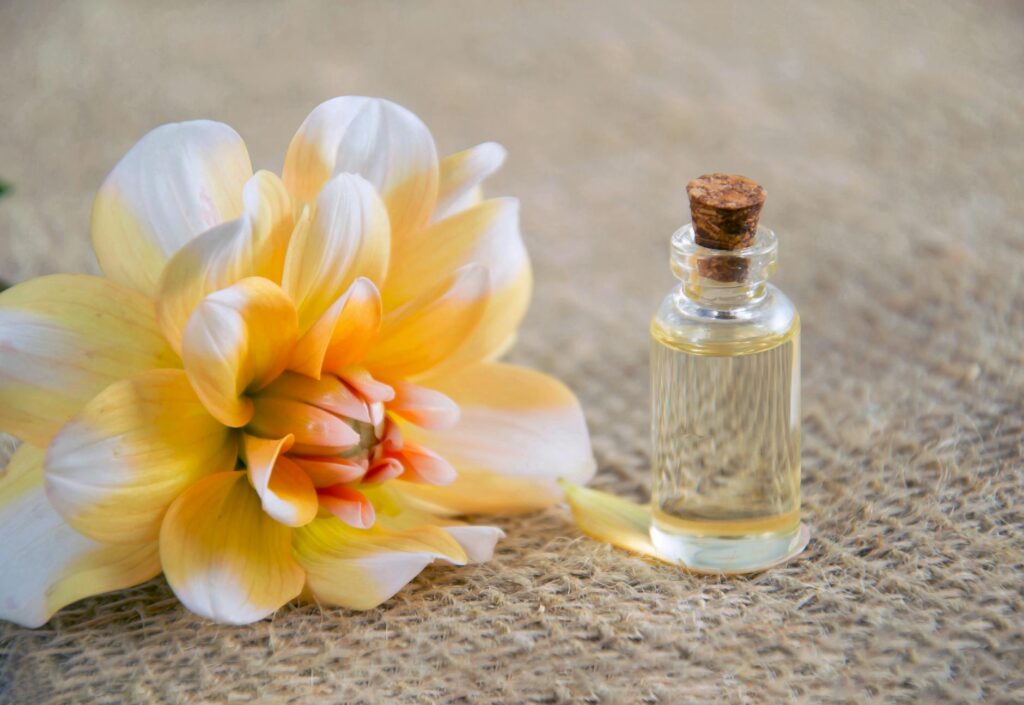
Benefits of Cold-Pressed Sunflower Oil
Introduction
Cold-pressed sunflower oil, derived from the seeds of the Helianthus annuus plant, has gained popularity in both culinary and cosmetic applications due to its rich nutrient profile and versatile properties. Unlike refined oils that undergo high-temperature processing, cold-pressed sunflower oil is extracted using a method that preserves its natural flavor, aroma, and beneficial compounds. This article will explore the characteristics, benefits, and various uses of cold-pressed sunflower oil, along with safety considerations and storage tips.
What Is Cold-Pressed Sunflower Oil?
Cold-pressed sunflower oil is obtained through a mechanical extraction process that does not involve the use of heat or chemicals. The seeds are gently pressed to release their oil, resulting in a product that retains most of its natural nutrients and phytochemicals. This method helps maintain the oil’s flavor, aroma, and color, making it a preferred choice for those seeking natural and unrefined options.
The oil has a light, nutty flavor and a pale yellow color, making it a versatile ingredient in various culinary applications. In addition to its use in cooking, cold-pressed sunflower oil is also a popular choice in skincare and personal care products due to its moisturizing and nourishing properties.
Key Benefits and Properties
Cold-pressed sunflower oil is celebrated for its diverse range of beneficial properties:
Nutritional Profile
- Rich in Unsaturated Fatty Acids: The oil is predominantly composed of polyunsaturated and monounsaturated fatty acids, particularly linoleic acid (omega-6) and oleic acid (omega-9). These fatty acids are essential for maintaining healthy cellular function and supporting cardiovascular health.
- Vitamin E: Cold-pressed sunflower oil is an excellent source of vitamin E, a powerful antioxidant that helps protect cells from oxidative stress and supports skin health.
- Phytosterols: These plant compounds can help lower cholesterol levels and contribute to overall heart health.
- Allergies: Some individuals may have allergies to sunflower seeds or oils. It is advisable to perform a patch test before using the oil topically, especially for those with sensitive skin.
- Quality: When purchasing cold-pressed sunflower oil, it’s essential to choose high-quality, organic products to ensure that the oil is free from contaminants and chemicals.
- Pregnancy and Nursing: As with any new product, individuals who are pregnant or nursing should consult with a healthcare professional before using cold-pressed sunflower oil for culinary or cosmetic purposes.
- Cool, Dark Place: Store the oil in a cool, dark place, away from direct sunlight and heat sources, to prevent oxidation and rancidity.
- Sealed Container: Keep the oil in a tightly sealed container to minimize exposure to air, which can degrade its quality over time.
Anti-Inflammatory Properties
The presence of linoleic acid in cold-pressed sunflower oil may help reduce inflammation in the body. This can be beneficial for individuals experiencing inflammatory skin conditions or general inflammation.
Moisturizing Qualities
Cold-pressed sunflower oil is often praised for its emollient properties, making it an effective moisturizer for the skin. It can help to lock in moisture and create a barrier that protects the skin from environmental stressors.
Common Uses
Culinary Applications
Cold-pressed sunflower oil is widely used in cooking due to its light flavor and high smoke point, making it suitable for sautéing, frying, and baking. It can also be used as a salad dressing or a base for marinades, providing a nutty taste without overpowering other ingredients.
Skincare and Beauty
Due to its moisturizing properties, cold-pressed sunflower oil is a common ingredient in lotions, creams, and hair care products. It is known to be non-comedogenic, meaning it does not clog pores, making it suitable for various skin types, including oily and acne-prone skin.
Industrial Applications
Beyond culinary and cosmetic uses, cold-pressed sunflower oil is also utilized in the production of biodiesel, soap, and various industrial lubricants, showcasing its versatility as a natural oil.
Aromatherapy Applications
While cold-pressed sunflower oil is not typically used as an essential oil in aromatherapy, it can serve as a carrier oil for diluting essential oils. Its light texture and neutral scent make it an ideal base for various blends, allowing the therapeutic properties of essential oils to be delivered effectively without overwhelming the senses.
Blending with Essential Oils
Cold-pressed sunflower oil can be blended with various essential oils, such as lavender, tea tree, or eucalyptus, to create personalized aromatherapy blends. These combinations can be used in massages, diffusers, or topical applications, enhancing relaxation and promoting overall well-being.
Massage Therapy
When used in conjunction with essential oils, cold-pressed sunflower oil can provide a smooth and effective medium for massage. Its moisturizing properties can nourish the skin while allowing for easy glide during the massage process.
Safety Considerations
While cold-pressed sunflower oil is generally safe for most individuals, it is essential to consider a few precautions:
Storage and Shelf Life
Proper storage is crucial for maintaining the quality of cold-pressed sunflower oil. Here are some tips on how to store it effectively:
Storage Conditions
Shelf Life
Cold-pressed sunflower oil typically has a shelf life of about 6 to 12 months when stored correctly. However, it’s essential to check for any off smells or changes in color before use, as these may indicate spoilage.
Frequently Asked Questions
1. How can I tell if cold-pressed sunflower oil has gone bad?
Signs of spoilage include an off or rancid smell, unusual color changes, or a thick or cloudy consistency. If you notice any of these changes, it is best to discard the oil.
2. Can I use cold-pressed sunflower oil for frying?
Yes, cold-pressed sunflower oil has a relatively high smoke point, making it suitable for frying and sautéing. However, it’s essential to monitor the temperature to avoid overheating.
3. Is cold-pressed sunflower oil suitable for all skin types?
Cold-pressed sunflower oil is generally considered safe for most skin types, including oily and acne-prone skin. However, individuals with specific allergies or sensitivities should perform a patch test before using it extensively.
4. Can cold-pressed sunflower oil be used in cooking for high-heat applications?
While cold-pressed sunflower oil has a high smoke point, it is advisable to use it for medium to high-heat cooking. Avoid overheating the oil to prevent it from breaking down and losing its beneficial properties.
5. How does cold-pressed sunflower oil compare to other oils?
Cold-pressed sunflower oil is often compared to olive oil and other vegetable oils. Each type of oil has unique properties and benefits. Cold-pressed sunflower oil is particularly high in vitamin E and linoleic acid, while olive oil is known for its monounsaturated fats and antioxidants.
Conclusion
Cold-pressed sunflower oil is a versatile and beneficial oil with a wide range of applications in cooking, skincare, and aromatherapy. Its rich nutritional profile, moisturizing properties, and ability to blend well with essential oils make it a valuable addition to any wellness routine. By understanding its benefits, uses, and safe storage practices, individuals can incorporate cold-pressed sunflower oil into their daily lives effectively.