
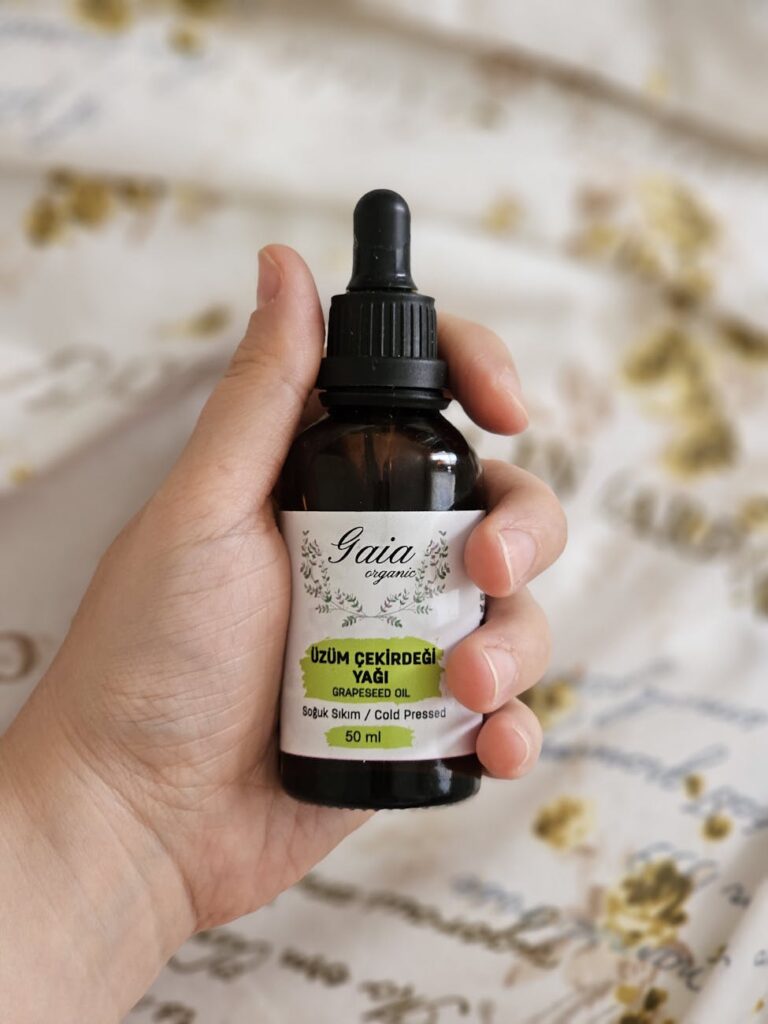
Benefits of Cold-Pressed Walnut Oil
Introduction
Cold-pressed walnut oil has gained increasing popularity in culinary, cosmetic, and therapeutic applications due to its unique properties and benefits. Extracted from the nuts of the walnut tree (Juglans regia), this oil is known for its rich flavor and nutritional profile. In addition to its culinary uses, cold-pressed walnut oil also boasts several health and beauty applications, making it a versatile addition to any wellness routine. This article explores the various dimensions of cold-pressed walnut oil, including its benefits, uses, and safety considerations.
What Is Cold-Pressed Walnut Oil?
Cold-pressed walnut oil is produced through a mechanical process that involves pressing the walnuts at low temperatures. This method preserves the oil’s natural flavors, nutrients, and aromatic compounds, unlike refined oils that may undergo high-temperature processing. The resulting oil has a rich, nutty flavor and a golden-brown hue, making it an appealing choice for both culinary and cosmetic purposes.
This oil is primarily composed of unsaturated fatty acids, particularly omega-3 and omega-6 fatty acids, which are essential for maintaining overall health. In addition to fatty acids, cold-pressed walnut oil is also rich in antioxidants, vitamins, and minerals, further enhancing its appeal.
Key Benefits and Properties
Nutritional Profile
Cold-pressed walnut oil is notable for its nutritional content. It contains a high concentration of:
- Omega-3 Fatty Acids: These essential fats are crucial for heart health and can help reduce inflammation.
- Omega-6 Fatty Acids: While beneficial in moderation, these fats must be balanced with omega-3s for optimal health.
- Antioxidants: Walnut oil is rich in vitamin E, which helps protect cells from oxidative stress.
- Minerals: Magnesium, phosphorus, and copper are among the minerals found in walnut oil, contributing to its nutritional value.
- Moisturizing: The oil acts as an emollient, providing hydration and helping to maintain the skin’s moisture barrier.
- Anti-Aging: Antioxidants like vitamin E may help to reduce the appearance of fine lines and wrinkles.
- Soothing: The oil has anti-inflammatory properties that may aid in calming irritated or inflamed skin.
- Wound Healing: Some studies suggest that walnut oil can promote skin regeneration and speed up the healing process.
- Nourishment: The oil can penetrate the hair shaft, providing essential nutrients to strengthen and nourish hair.
- Shine: Regular use can enhance hair’s natural shine, giving it a healthier appearance.
- Scalp Health: The anti-inflammatory properties may help alleviate scalp issues, such as dryness or irritation.
- Salad Dressings: Its rich, nutty flavor makes it an excellent base for salad dressings and vinaigrettes.
- Cooking: While it has a low smoke point, it can be used for low-heat cooking or as a finishing oil to enhance the flavor of dishes.
- Baking: Walnut oil can be incorporated into baked goods for added richness and flavor.
- Dips and Sauces: Its unique taste can elevate dips, sauces, and marinades.
- Moisturizers: Due to its emollient properties, it is commonly used in creams and lotions.
- Hair Oils: It may be included in hair care products to nourish and protect hair.
- Soaps and Body Washes: Walnut oil can be a key ingredient in natural soaps and body washes for its moisturizing benefits.
- Carrier Oil: Walnut oil can dilute essential oils, making them safe for topical application.
- Blending: Its mild, nutty aroma can complement various essential oils, adding depth to blends.
- Massage Oil: When mixed with essential oils, walnut oil can be used as a soothing massage oil, benefiting both skin and muscles.
- Allergies: Individuals with nut allergies should avoid walnut oil, as it may trigger allergic reactions.
- Skin Sensitivity: A patch test is advisable for those using the oil topically for the first time, as some individuals may experience irritation.
- Consumption: Always consult with a healthcare provider before introducing new oils into your diet, especially if you have existing health conditions or are taking medications.
- Store in a Cool, Dark Place: Exposure to light and heat can degrade the oil, so it’s best kept in a cool, dark cupboard or refrigerator.
- Use Dark Glass Containers: If possible, store walnut oil in dark glass bottles to limit exposure to light.
- Check for Rancidity: Always check the oil for off smells or flavors before use, as rancid oil can lose its beneficial properties.
Skin Benefits
Cold-pressed walnut oil has garnered attention in the beauty industry for its skin-nourishing properties. Some key benefits include:
Hair Care Benefits
Walnut oil is also beneficial for hair health. Its properties include:
Common Uses
Culinary Uses
Cold-pressed walnut oil is a favored ingredient in various culinary applications, including:
Cosmetic Applications
In cosmetics, cold-pressed walnut oil is often found in:
Aromatherapy Applications
While walnut oil is not typically used as an essential oil in aromatherapy, its unique scent and properties make it a potential carrier oil for diluting essential oils. In this capacity, it can enhance the therapeutic effects of essential oils while providing additional benefits. Some key points to consider include:
Safety Considerations
While cold-pressed walnut oil is generally considered safe for most individuals, some precautions should be taken:
Storage and Shelf Life
Proper storage is crucial for maintaining the quality of cold-pressed walnut oil. To extend its shelf life:
Typically, cold-pressed walnut oil has a shelf life of 6 to 12 months when stored correctly.
Frequently Asked Questions
1. What is the difference between cold-pressed and refined walnut oil?
Cold-pressed walnut oil is extracted without heat, preserving its nutrients and flavor, while refined walnut oil undergoes processing that may strip away some of its beneficial properties.
2. Can cold-pressed walnut oil be used for frying?
Cold-pressed walnut oil has a low smoke point, making it unsuitable for high-heat frying. It is best used for low-heat cooking or as a finishing oil.
3. Is cold-pressed walnut oil suitable for all skin types?
While cold-pressed walnut oil is generally safe for most skin types, those with nut allergies or very sensitive skin should conduct a patch test or consult a dermatologist.
4. How can I incorporate walnut oil into my diet?
You can add cold-pressed walnut oil to salad dressings, drizzle it over cooked vegetables, or use it in baking to enhance flavor.
5. Can cold-pressed walnut oil help with hair growth?
While walnut oil can nourish and strengthen hair, there is limited scientific evidence to support its role in promoting hair growth.
Conclusion
Cold-pressed walnut oil offers a wealth of benefits, from its nutritional profile to its applications in cooking and skincare. With its rich flavor and versatile properties, it serves as an excellent addition to both culinary and cosmetic routines. However, as with any natural product, it’s essential to use it mindfully and with consideration of individual health needs. By understanding its benefits, uses, and safety precautions, you can effectively incorporate cold-pressed walnut oil into your lifestyle for a variety of applications.