
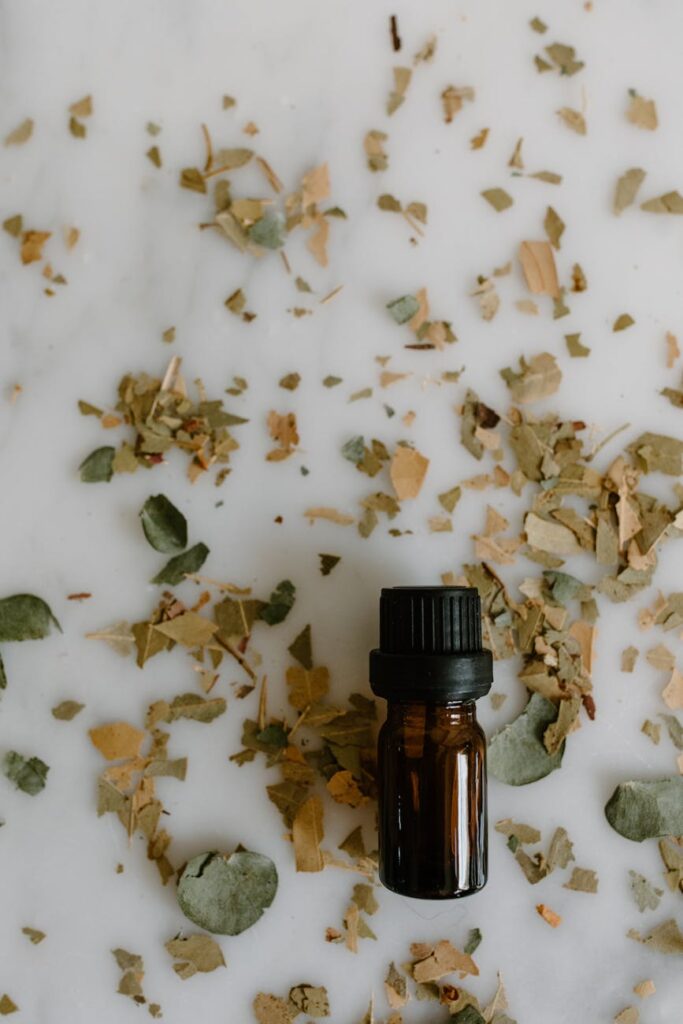
Benefits of DIY Aromatherapy Recipes for Balancing Mood with Patchouli Oil
Introduction
Aromatherapy, a holistic practice that utilizes essential oils for physical and emotional well-being, has gained significant popularity in recent years. Among the diverse array of essential oils available, patchouli oil stands out for its rich, earthy scent and numerous beneficial properties. This article explores the advantages of DIY aromatherapy recipes specifically designed to balance mood using patchouli oil, offering insights into its benefits, applications, and safety considerations.
What Is DIY Aromatherapy Recipes for Balancing Mood with Patchouli Oil?
DIY aromatherapy refers to the practice of creating personalized essential oil blends for various purposes, including mood balancing. Patchouli oil, derived from the leaves of the Pogostemon cablin plant, is known for its grounding and calming effects. When incorporated into DIY recipes, patchouli oil can enhance emotional stability and promote a sense of tranquility.
Creating your own aromatherapy recipes allows for customization according to individual preferences and needs. By blending patchouli oil with other essential oils and carriers, you can tailor the experience to suit your mood and environment.
Key Benefits and Properties
Patchouli oil is celebrated for its unique properties that contribute to emotional and mental well-being:
1. Grounding Effect: The earthy scent of patchouli oil is often associated with grounding and centering. It can help alleviate feelings of anxiety and promote emotional stability.
2. Stress Relief: The calming properties of patchouli oil may help reduce stress levels, making it beneficial for those dealing with daily pressures.
3. Mood Enhancement: Patchouli oil is believed to have aphrodisiac qualities, which can enhance mood and foster feelings of joy and contentment.
4. Anti-Inflammatory Properties: While not directly linked to mood, the anti-inflammatory properties of patchouli may contribute to overall well-being, indirectly supporting emotional health.
5. Antimicrobial Qualities: The oil’s natural antimicrobial properties can support a clean and fresh environment, promoting a sense of peace and comfort.
Common Uses
The versatility of patchouli oil allows for a variety of applications in DIY aromatherapy. Common uses include:
- Massage Blends: When mixed with carrier oils, patchouli oil can be used in therapeutic massages to promote relaxation.
- Diffusion: Adding patchouli oil to a diffuser can fill a room with its soothing aroma, creating a calming atmosphere.
- Bath Products: Incorporating patchouli oil into bath salts or oils can enhance the bathing experience, promoting relaxation and stress relief.
- Personal Fragrance: Patchouli oil can be blended with other essential oils to create a signature scent that uplifts the mood and fosters emotional balance.
- Facial Products: Due to its beneficial properties, patchouli oil can also be included in DIY skincare products to support skin health while creating a calming ritual.
- 10 drops of patchouli oil
- 5 drops of lavender oil
- 5 drops of bergamot oil
- 1 cup of distilled water
- Spray bottle
- 5 drops of patchouli oil
- 5 drops of sweet orange oil
- 2 tablespoons of carrier oil (such as jojoba or sweet almond oil)
- 10 drops of patchouli oil
- 1 cup of Epsom salt
- 1/2 cup of carrier oil (optional, for skin hydration)
- 5 drops of patchouli oil
- 5 drops of chamomile oil
- Inhaler stick
Aromatherapy Applications
Creating your own DIY aromatherapy recipes with patchouli oil can be both enjoyable and rewarding. Here are some practical applications:
1. Mood Balancing Room Spray
Ingredients:
Instructions:
1. In a spray bottle, combine the essential oils with distilled water.
2. Shake well before each use.
3. Spray around your living space to create a calming environment.
2. Soothing Massage Oil
Ingredients:
Instructions:
1. In a small glass bottle, mix the essential oils with the carrier oil.
2. Use this blend for a relaxing massage, focusing on areas of tension.
3. Relaxing Bath Soak
Ingredients:
Instructions:
1. Combine the Epsom salt and patchouli oil in a bowl.
2. Add the carrier oil if using, and mix well.
3. Pour the mixture into a warm bath and soak for at least 20 minutes.
4. Calming Inhaler
Ingredients:
Instructions:
1. Add the essential oils to the inhaler stick.
2. Inhale deeply whenever you need a moment of calm.
Safety Considerations
While patchouli oil is generally regarded as safe, there are some important safety considerations to keep in mind:
1. Dilution: Essential oils should always be diluted in a carrier oil before topical application to minimize the risk of skin irritation.
2. Patch Test: It is advisable to conduct a patch test on a small area of skin prior to widespread use to check for any allergic reactions.
3. Pregnancy and Nursing: Pregnant or nursing individuals should consult with a qualified healthcare professional before using essential oils.
4. Sensitivity: Some individuals may have heightened sensitivities to certain scents. If any adverse reactions occur, discontinue use immediately.
5. Quality of Oil: Ensure that the patchouli oil you purchase is of high quality, ideally organic and steam-distilled. This helps ensure that the beneficial properties are preserved.
Storage and Shelf Life
To maintain the efficacy of patchouli oil and any DIY recipes, proper storage is crucial:
1. Storage: Store essential oils in a cool, dark place, away from direct sunlight and heat. Dark glass bottles are ideal for protecting the oils from light.
2. Shelf Life: Patchouli oil typically has a shelf life of 3 to 5 years when stored properly. However, always check for changes in aroma or consistency before use.
Frequently Asked Questions
1. Can I use patchouli oil in a diffuser?
Yes, patchouli oil can be used in a diffuser. Its grounding scent can create a calming atmosphere in any space.
2. What other oils blend well with patchouli?
Patchouli oil pairs well with a variety of essential oils, including lavender, bergamot, sweet orange, sandalwood, and ylang-ylang.
3. Is patchouli oil safe for children?
While patchouli oil may be used in diluted forms for children over two years old, it is best to consult a healthcare professional for specific guidance.
4. How do I know if I have a quality patchouli oil?
Look for oils that are labeled as pure, organic, and steam-distilled. A reputable supplier should also provide information about the oil’s origin and extraction process.
5. Can patchouli oil help with sleep?
While not a direct treatment, the calming properties of patchouli oil may promote relaxation, which can be helpful in creating a conducive sleep environment.
Conclusion
DIY aromatherapy recipes using patchouli oil offer a unique and customizable approach to balancing mood and enhancing emotional well-being. With its grounding properties and rich scent, patchouli oil can serve as a valuable tool in promoting relaxation and tranquility. By understanding the benefits, common uses, applications, and safety considerations, individuals can confidently incorporate patchouli oil into their self-care routines, creating a harmonious atmosphere conducive to emotional balance.