
Benefits of DIY Aromatherapy Recipes for Energy Boosting
Introduction
In a world that often feels fast-paced and demanding, the quest for sustained energy levels is a common pursuit. Many individuals turn to various methods to enhance their vitality, and one increasingly popular approach is aromatherapy. Utilizing the power of essential oils, DIY aromatherapy recipes can provide a natural, invigorating boost to help manage fatigue and promote alertness. This article delves into the benefits, applications, and safety considerations of crafting your own energy-boosting aromatherapy blends.
What Is DIY Aromatherapy Recipes for Energy Boosting?
DIY aromatherapy involves creating personalized blends of essential oils that cater to individual needs. Specifically, energy-boosting recipes often include oils known for their stimulating properties. These oils can be combined in various forms—such as diffusers, roll-ons, or inhalation blends—to enhance mental clarity, physical energy, and overall well-being. The beauty of DIY aromatherapy lies in its flexibility; individuals can customize their blends based on personal preferences, desired effects, and even the time of day.
Key Benefits and Properties
The allure of DIY aromatherapy recipes for energy boosting is rooted in the unique properties of essential oils. Here are some key benefits associated with these oils:
1. Stimulant Effects: Certain essential oils, like peppermint, rosemary, and citrus oils, are known for their invigorating properties. They can enhance alertness and focus, making them ideal for combating mid-afternoon slumps.
2. Mood Enhancement: Essential oils can influence mood positively. Oils like lemon and bergamot are celebrated for their uplifting characteristics, which contribute to an overall sense of well-being.
3. Stress Reduction: High stress levels can lead to fatigue. Oils such as lavender and frankincense can help mitigate stress, thereby indirectly boosting energy levels.
4. Improved Concentration: Blends that include oils like basil and eucalyptus can enhance cognitive function, promoting better concentration and mental clarity.
5. Customizable Experience: Crafting your own blends allows for a personalized approach. You can select oils that resonate with your preferences and specific energy needs.
Common Uses
DIY energy-boosting aromatherapy recipes have various applications that cater to different lifestyles and situations:
1. Morning Rituals: Incorporating energizing oils into your morning routine can set a positive tone for the day. Diffusing citrus oils or applying a roll-on before heading out can invigorate the senses.
2. Workspace Enhancements: Using a diffuser or inhaler at work can help maintain focus and prevent the midday slump. Blends featuring peppermint or rosemary can be particularly effective.
3. Post-Workout Refreshment: After physical activity, certain essential oils can help rejuvenate both mind and body. A blend of eucalyptus and lemon can provide a refreshing lift.
4. Travel Companion: Long journeys can be tiring. A portable roll-on blend featuring invigorating oils can be applied to the wrists or inhaled to stay alert during travel.
Aromatherapy Applications
There are several effective methods to apply DIY energy-boosting aromatherapy recipes:
1. Diffusion: Using an essential oil diffuser is one of the most popular methods. Fill the diffuser with water and add a few drops of your chosen essential oil blend. The aroma will fill the space, creating an energizing atmosphere.
2. Roll-On Blends: Combine essential oils with a carrier oil (such as jojoba or sweet almond oil) in a roller bottle. This allows for easy application on pulse points like wrists, temples, or behind the ears.
3. Inhalation: For a quick boost, add a few drops of essential oil to a handkerchief or cotton ball and inhale deeply. This method is especially useful for on-the-go energy boosts.
4. Bath Soaks: For a relaxing yet invigorating experience, add a few drops of essential oils to your bathwater. Oils like rosemary and grapefruit can provide both stimulation and relaxation.
5. Spray Mists: Create a refreshing room spray by mixing essential oils with water in a spray bottle. This can be used to uplift the environment around you.
Safety Considerations
While DIY aromatherapy is generally safe when done correctly, it is essential to consider the following precautions:
1. Dilution: Always dilute essential oils with a carrier oil before applying them to the skin to prevent irritation. A typical dilution ratio is 2-3% essential oil to carrier oil.
2. Allergic Reactions: Conduct a patch test before using a new essential oil. Apply a small amount to a discreet area of skin to check for any adverse reactions.
3. Quality of Essential Oils: Use high-quality, pure essential oils from reputable sources to ensure safety and efficacy. Synthetic oils may not provide the same benefits and can cause adverse reactions.
4. Pregnancy and Medical Conditions: Certain essential oils may not be suitable for pregnant individuals or those with specific medical conditions. Always research the individual properties of oils before use.
5. Keep Away from Eyes and Mucous Membranes: Essential oils are potent and can cause irritation. Exercise caution to avoid contact with sensitive areas.
Storage and Shelf Life
Proper storage is crucial to maintain the integrity of essential oils and DIY blends:
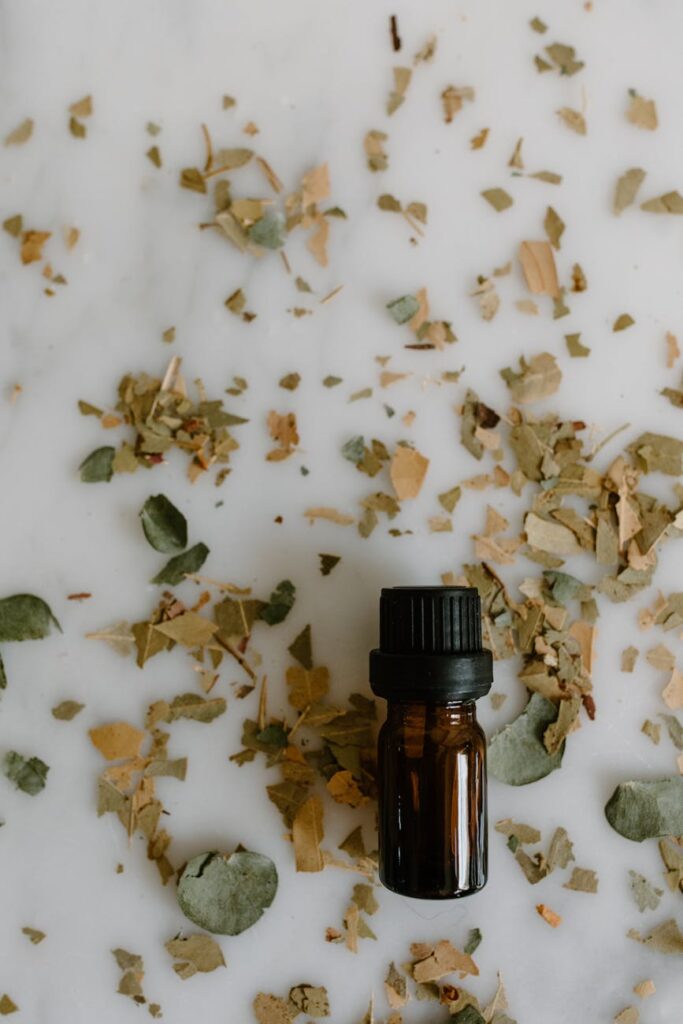
1. Dark Glass Bottles: Store essential oils and blends in dark glass bottles to protect them from light exposure. This helps preserve their potency.
2. Cool, Dry Place: Keep oils away from heat and humidity. A cool, dry cupboard is ideal for storage.
3. Shelf Life: Essential oils vary in shelf life, generally ranging from 1 to 7 years, depending on the oil. Citrus oils tend to have a shorter shelf life compared to woody or resinous oils.
4. Labeling: Clearly label your blends with the contents and date of creation. This helps track freshness and ensures safe use.
Frequently Asked Questions
1. How many essential oils can I combine in a single recipe?
While there is no strict rule, it’s generally advisable to use 2 to 5 essential oils in one blend. This allows you to create a harmonious aroma without overwhelming the senses.
2. Can I use essential oils if I have sensitive skin?
If you have sensitive skin, it’s best to perform a patch test before using a new oil. Dilution is crucial to minimize the risk of irritation.
3. How often can I use my energy-boosting blends?
Usage frequency can vary by individual preference. Many people find that applying or diffusing blends 2-3 times a day is effective, but listen to your body and adjust as needed.
4. Are there specific essential oils that are best for energy boosting?
Yes, some well-known energy-boosting oils include peppermint, lemon, rosemary, eucalyptus, and bergamot. Each has unique properties that can enhance alertness and focus.
5. Can I use essential oils in a car?
Yes, using a car diffuser or inhaling from a cotton ball can provide energy during drives. However, ensure that the scent is not too overpowering, as it may distract from driving.
—
In conclusion, DIY aromatherapy recipes for energy boosting offer a practical and enjoyable way to enhance vitality and mental clarity. By understanding the properties of essential oils and employing safe practices, individuals can create personalized blends that cater to their unique needs. Whether incorporated into daily routines or used in specific situations, these recipes can serve as a natural ally in the pursuit of sustained energy and well-being.