
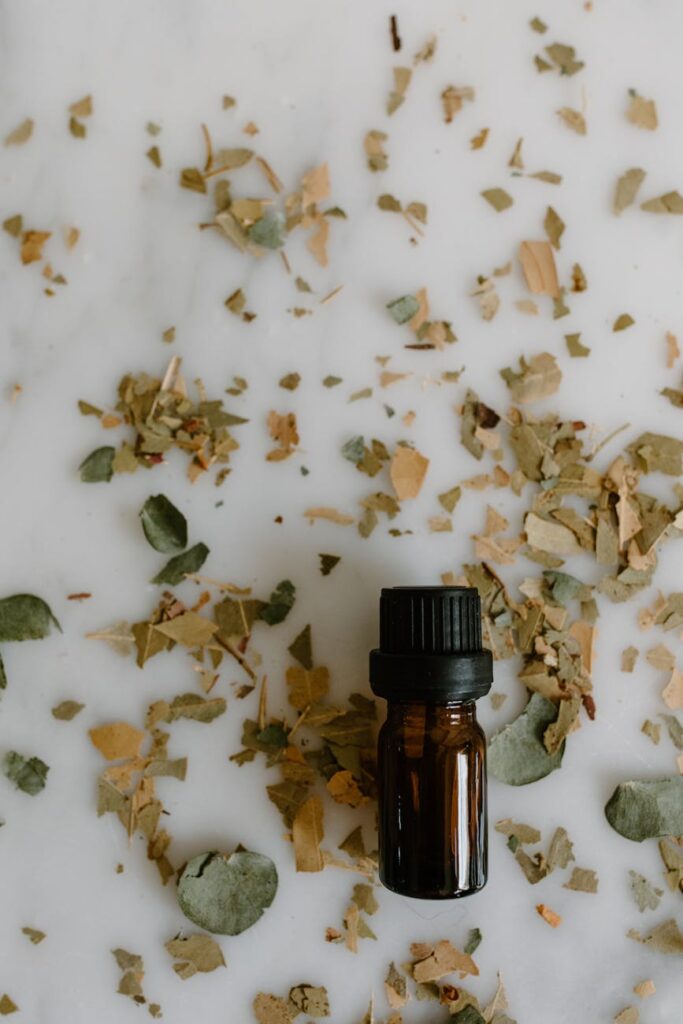
Benefits of DIY Aromatherapy Recipes for Mood Support with Sandalwood Oil
Introduction
As modern lifestyles become increasingly hectic, many individuals seek natural methods to enhance their emotional well-being. Aromatherapy, the practice of using essential oils for therapeutic purposes, has gained popularity as a holistic approach to mood support. Among the myriad essential oils available, sandalwood oil stands out for its unique properties and benefits. This article explores the advantages of DIY aromatherapy recipes featuring sandalwood oil, providing insights into its uses, benefits, safety considerations, and more.
What Is DIY Aromatherapy Recipes for Mood Support with Sandalwood Oil?
DIY aromatherapy recipes involve the creation of personalized blends using essential oils to promote emotional and physical well-being. Sandalwood oil, derived from the wood of the Santalum album tree, is renowned for its calming and grounding properties. When combined with other essential oils, it can enhance the overall impact of an aromatherapy blend, making it an excellent choice for mood support.
Creating your own aromatherapy recipes allows for customization based on personal preferences and specific emotional needs. Whether used in diffusers, massage oils, or bath blends, sandalwood oil can significantly influence mental states and emotional health.
Key Benefits and Properties
Sandalwood oil possesses several beneficial properties that make it a popular choice in aromatherapy:
1. Calming Effects: Sandalwood is widely recognized for its ability to promote relaxation and reduce anxiety. Its soothing aroma can help calm the mind, making it an ideal addition to mood-supporting recipes.
2. Grounding Qualities: The earthy scent of sandalwood is believed to have grounding effects, helping individuals feel more centered and balanced. This can be particularly beneficial during periods of stress or emotional upheaval.
3. Enhancement of Meditation: Many practitioners of meditation and yoga incorporate sandalwood oil into their routines due to its ability to deepen the meditation experience and foster a sense of inner peace.
4. Antidepressant Properties: Some studies suggest that sandalwood oil may have mild antidepressant effects, helping to uplift mood and alleviate feelings of sadness or despair.
5. Support for Emotional Clarity: Sandalwood oil is thought to enhance emotional clarity, allowing individuals to process their feelings more effectively.
Common Uses
Sandalwood oil can be used in various ways to support mood enhancement. Here are some common applications:
1. Diffusion: Adding a few drops of sandalwood oil to a diffuser can fill a room with its calming aroma, creating a serene atmosphere conducive to relaxation.
2. Massage Oils: Blending sandalwood oil with a carrier oil (such as jojoba or sweet almond oil) can create a soothing massage oil that promotes relaxation and stress relief.
3. Bath Blends: Incorporating sandalwood oil into bathwater can enhance the bathing experience, encouraging relaxation and emotional release.
4. Inhalation: Direct inhalation of sandalwood oil can provide immediate mood support, making it a handy tool during moments of stress or anxiety.
5. Personal Care Products: Sandalwood oil can be added to skincare products, such as lotions or creams, for its calming effects and pleasant scent.
Aromatherapy Applications
DIY aromatherapy recipes can be tailored to suit individual needs. Below are a few simple recipes that incorporate sandalwood oil for mood support:
1. Calming Diffuser Blend
Ingredients:
- 5 drops sandalwood oil
- 3 drops lavender oil
- 2 drops bergamot oil
- 2 tablespoons carrier oil (e.g., jojoba oil)
- 3 drops sandalwood oil
- 2 drops chamomile oil
- 1 cup Epsom salt
- 5 drops sandalwood oil
- 3 drops ylang-ylang oil
- 10 drops sandalwood oil
- 5 drops orange oil
- Inhaler stick
Instructions: Add the essential oils to your diffuser filled with water. Turn on and enjoy the calming atmosphere.
2. Relaxing Massage Oil
Ingredients:
Instructions: Mix the oils in a small bottle. Use as a massage oil to unwind after a long day.
3. Soothing Bath Soak
Ingredients:
Instructions: Combine the Epsom salt and essential oils in a bowl. Add to bathwater and soak for at least 20 minutes.
4. Mood-Boosting Inhaler
Ingredients:
Instructions: Add the essential oils to the inhaler stick. Inhale deeply when you need a quick mood lift.
Safety Considerations
While sandalwood oil is generally considered safe for use in aromatherapy, there are some important safety guidelines to consider:
1. Dilution: Always dilute sandalwood oil with a carrier oil before applying it to the skin to prevent irritation or allergic reactions.
2. Patch Test: Conduct a patch test on a small area of skin before using sandalwood oil in a larger application to check for sensitivity.
3. Pregnancy and Nursing: Pregnant or nursing individuals should consult a healthcare professional before using essential oils, including sandalwood.
4. Children: Exercise caution when using essential oils around children. It is recommended to consult with a pediatrician for guidance.
5. Quality of Essential Oils: Ensure that you are using high-quality, pure sandalwood oil from a reputable source to avoid contaminants or synthetic additives.
Storage and Shelf Life
Proper storage of sandalwood oil is essential to maintain its potency and aroma. Here are some guidelines:
1. Cool, Dark Place: Store sandalwood oil in a cool, dark place away from direct sunlight to prevent degradation.
2. Tightly Sealed Containers: Keep the oil in a tightly sealed glass or amber bottle to minimize exposure to air and prevent oxidation.
3. Shelf Life: Sandalwood oil has a relatively long shelf life, typically ranging from 2 to 3 years when stored properly. However, it is advisable to check for any changes in scent or appearance before use.
Frequently Asked Questions
1. Can sandalwood oil be used by everyone?
While sandalwood oil is generally safe for most individuals, those with specific skin sensitivities, pregnant or nursing women, and children should consult a healthcare professional before use.
2. How does sandalwood oil help with stress?
Sandalwood oil is believed to promote relaxation and emotional well-being, making it a popular choice for stress relief.
3. Can I mix sandalwood oil with other essential oils?
Yes, sandalwood oil blends well with many other essential oils, such as lavender, bergamot, and ylang-ylang, enhancing its calming effects.
4. Is sandalwood oil safe for topical use?
When properly diluted with a carrier oil, sandalwood oil is generally safe for topical application. Always perform a patch test first.
5. How often can I use sandalwood oil for mood support?
The frequency of use can depend on individual preferences and needs. It is advisable to listen to your body and use sandalwood oil as needed for mood support.
Conclusion
DIY aromatherapy recipes featuring sandalwood oil offer a natural and effective way to support emotional well-being. With its calming, grounding, and uplifting properties, sandalwood oil serves as a versatile ingredient in various aromatherapy applications. By understanding its benefits, common uses, and safety considerations, individuals can harness the power of sandalwood oil to enhance their mood and foster a sense of tranquility in their daily lives. Whether you are new to aromatherapy or a seasoned practitioner, incorporating sandalwood oil into your routine can provide a soothing respite from the challenges of modern living.