
Benefits of DIY Aromatherapy Recipes for Respiratory Support
Introduction
Aromatherapy, the art and science of utilizing essential oils for therapeutic benefits, has gained traction in holistic wellness practices. Among its various applications, respiratory support remains a significant focus. The ability to create DIY aromatherapy recipes tailored for respiratory health is not only empowering but also allows individuals to connect with nature through the use of plant-derived essences. This article explores the essence of DIY aromatherapy recipes specifically aimed at supporting respiratory health, their benefits, common uses, applications, safety considerations, and storage tips.
What Is DIY Aromatherapy Recipes for Respiratory Support?
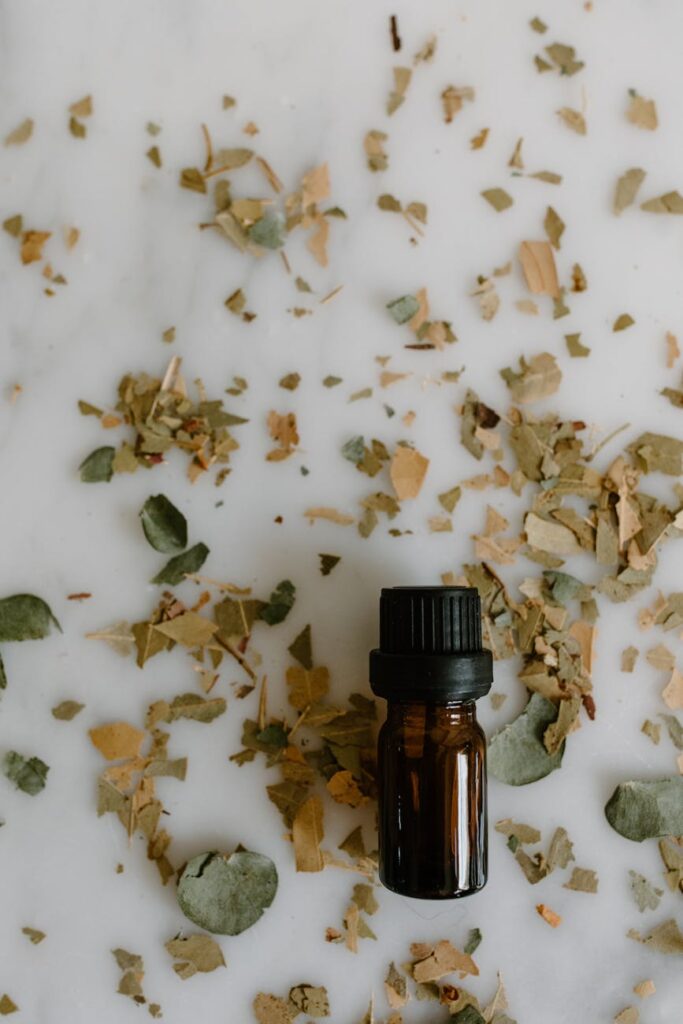
DIY aromatherapy recipes for respiratory support involve the blending of essential oils that are believed to promote respiratory health. These oils can be inhaled, diffused, or applied to the skin (when properly diluted) to provide relief from various respiratory issues. Commonly used essential oils include eucalyptus, peppermint, tea tree, and lavender, each possessing unique properties that may aid in respiratory comfort.
Creating these recipes at home allows for customization based on individual preferences and specific needs. By combining different essential oils, individuals can craft blends that cater to their unique respiratory challenges, whether they are seeking clarity, relief from congestion, or a soothing atmosphere for relaxation.
Key Benefits and Properties
1. Respiratory Relief
Certain essential oils possess expectorant properties, which may help alleviate congestion and support clearer breathing. Oils like eucalyptus and peppermint are often cited for their ability to open airways and provide a sense of ease.
2. Calming Effects
Aromatherapy can promote emotional well-being. Essential oils like lavender and chamomile can induce a sense of calm, which is beneficial for individuals experiencing anxiety related to respiratory issues.
3. Antimicrobial Properties
Some essential oils have natural antimicrobial properties that may help purify the air and reduce airborne pathogens. Oils such as tea tree and lemon are noted for their potential to combat bacteria and viruses.
4. Enhanced Mood
Incorporating aromatherapy into daily routines can elevate mood and reduce stress. Oils like bergamot and sweet orange are uplifting and can create a positive environment conducive to overall wellness.
5. Support for Seasonal Discomfort
Seasonal changes often bring about respiratory discomfort. Blends that include oils such as frankincense and rosemary may provide seasonal support by promoting a healthy respiratory system.
Common Uses
DIY aromatherapy recipes for respiratory support can be employed in various ways:
- Diffusion: Adding essential oils to a diffuser allows for the gentle dispersal of aromatic compounds into the air, creating a therapeutic environment.
- Inhalation: Direct inhalation can be achieved by adding a few drops of essential oil to a tissue or using an inhaler designed for essential oils.
- Topical Application: When diluted with a carrier oil, essential oils can be applied to the chest, throat, or back for localized support.
- Baths or Showers: Adding essential oils to a warm bath or shower can create a soothing atmosphere, allowing for steam inhalation alongside the aromatic experience.
- Dilution: Always dilute essential oils with a carrier oil before applying them to the skin. A common dilution is 2-3 drops of essential oil per teaspoon of carrier oil.
- Patch Test: Conduct a patch test on a small area of skin before using a new essential oil to check for any adverse reactions.
- Avoiding Sensitive Areas: Essential oils should not be applied near the eyes, mucous membranes, or on broken skin.
- Consultation: Individuals with pre-existing conditions or those who are pregnant or nursing should consult a healthcare professional before using essential oils.
- Dark Glass Bottles: Store essential oils in dark glass bottles to protect them from light, which can degrade their quality.
- Cool, Dry Place: Keep essential oils in a cool, dry place away from direct sunlight and heat sources.
- Seal Tightly: Ensure that bottles are sealed tightly to prevent evaporation and contamination.
Aromatherapy Applications
1. Steam Inhalation
Steam inhalation is a popular method for respiratory support. By boiling water and adding a few drops of essential oil, individuals can inhale the steam to help clear nasal passages. Eucalyptus and peppermint are particularly effective for this method.
2. Personal Inhalers
Creating a personal inhaler is a convenient way to carry essential oils on the go. By combining essential oils with a carrier oil in a small inhaler, individuals can have quick access to respiratory support whenever needed.
3. Room Sprays
DIY room sprays made from essential oils can help purify the air and create a pleasant environment. Combining water with essential oils in a spray bottle can be an effective way to refresh indoor spaces.
4. Massage Blends
Diluting essential oils in a carrier oil for massage can provide both respiratory support and relaxation. This method can also enhance circulation and promote overall well-being.
Safety Considerations
While essential oils are generally considered safe when used appropriately, it is essential to adhere to safety guidelines:
Storage and Shelf Life
Proper storage of essential oils is crucial for maintaining their efficacy. Here are some best practices:
The shelf life of essential oils varies; citrus oils typically last 1-2 years, while oils like sandalwood and patchouli can last 5 years or more if stored correctly. Regularly check for any changes in color, consistency, or smell, as these may indicate that the oil has degraded.
Frequently Asked Questions
Q: Can anyone use essential oils for respiratory support?
A: While many individuals can safely use essential oils, those with specific health conditions, pregnant women, and children should consult a healthcare professional before use.
Q: Are there essential oils that should be avoided?
A: Certain essential oils, such as wintergreen and birch, contain compounds that can be harmful in high concentrations. It is advisable to research each oil before use.
Q: How do I know which essential oils to use for my needs?
A: Identifying specific respiratory challenges can guide your choice. For example, eucalyptus and peppermint are often used for congestion, while lavender can aid relaxation.
Q: How often can I use DIY recipes for respiratory support?
A: Frequency can vary based on individual needs, but using recipes several times a day is common. Monitor your body’s response and adjust as necessary.
Q: Can I mix different essential oils?
A: Yes, blending different essential oils can create synergistic effects. It’s essential to understand the properties of each oil and consider their compatibility.
Conclusion
DIY aromatherapy recipes for respiratory support offer a holistic way to enhance respiratory health and well-being. By harnessing the power of essential oils, individuals can create personalized blends that cater to their unique needs. As with any wellness practice, proper understanding and adherence to safety guidelines are paramount. With a thoughtful approach, the art of blending essential oils can be both enjoyable and beneficial, enriching daily life with natural healing properties.