
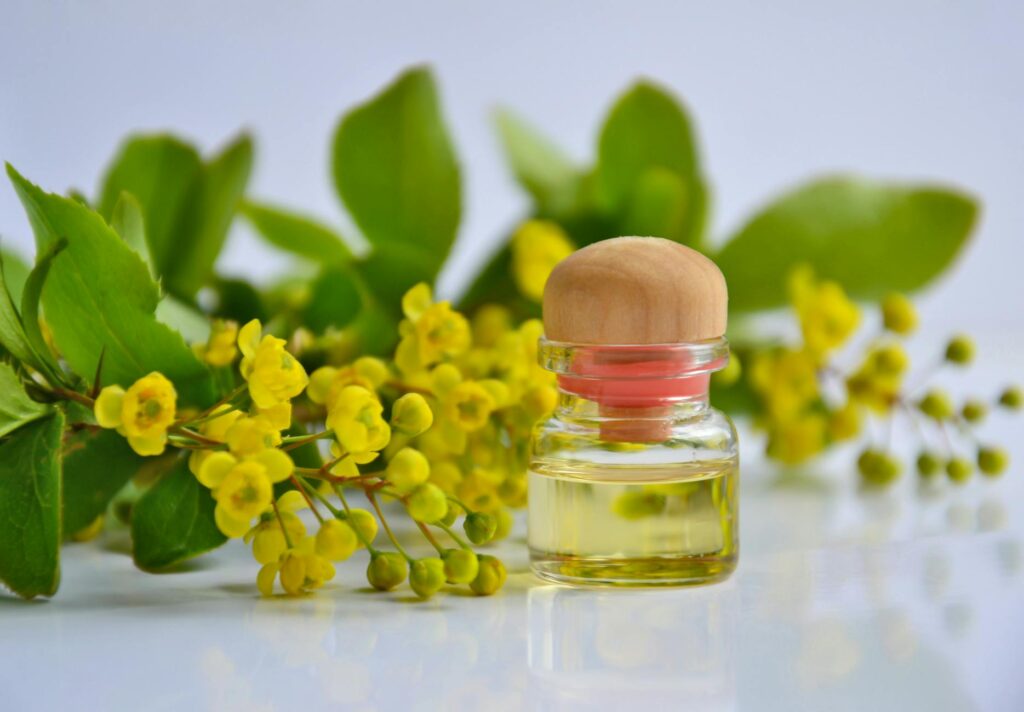
Benefits of DIY Aromatherapy Recipes for Seasonal Allergy Relief with Essential Oils
Introduction
Seasonal allergies can significantly impact quality of life, causing discomfort and hindering daily activities. For many, the onset of spring or fall triggers a flurry of sneezing, nasal congestion, and itchy eyes. While over-the-counter medications provide some relief, they often come with side effects. In recent years, many individuals have turned to natural remedies, particularly essential oils, as an alternative for alleviating allergy symptoms. This article delves into the benefits of DIY aromatherapy recipes using essential oils for seasonal allergy relief, exploring their properties, common uses, and applications.
What Are DIY Aromatherapy Recipes for Seasonal Allergy Relief with Essential Oils?
DIY aromatherapy recipes for seasonal allergy relief harness the natural properties of essential oils to alleviate symptoms associated with allergies. Essential oils are concentrated extracts from plants that capture their aromatic compounds, offering various therapeutic benefits. By combining these oils in specific recipes, individuals can create their own blends tailored to their needs. Common essential oils used for allergy relief include lavender, eucalyptus, peppermint, and tea tree oil, each possessing unique properties that may contribute to alleviating symptoms.
Key Benefits and Properties
1. Anti-inflammatory Properties: Many essential oils possess anti-inflammatory properties that may help reduce swelling and irritation in the respiratory tract. For example, eucalyptus oil is known for its ability to open airways and promote easier breathing.
2. Antihistamine Effects: Certain essential oils, such as peppermint, may act as natural antihistamines, potentially helping to block histamine release in the body and reducing common allergy symptoms.
3. Mood Enhancement: Seasonal allergies can take a toll on one’s mood and energy levels. Aromatherapy can uplift spirits and enhance overall well-being. For instance, citrus oils like lemon and orange can boost mood and energy.
4. Air Purification: Essential oils such as tea tree and lavender contain antimicrobial properties that may help purify the air, reducing the presence of allergens like mold and bacteria.
5. Ease of Use: DIY recipes allow individuals to customize their blends according to personal preferences and specific symptoms, providing a convenient and personalized approach to allergy management.
Common Uses
DIY aromatherapy recipes can be applied in various ways to relieve seasonal allergy symptoms:
1. Diffusion: Using an essential oil diffuser can disperse the oils into the air, allowing for easy inhalation. This method is particularly beneficial for individuals experiencing nasal congestion.
2. Topical Application: Blending essential oils with a carrier oil (such as coconut or jojoba oil) allows for safe topical application. This can be especially soothing for areas of discomfort, such as sinuses or temples.
3. Inhalation: Inhaling essential oils directly from the bottle or using a steam inhalation method can provide immediate relief.
4. Baths: Adding essential oils to bathwater can create a relaxing atmosphere while providing respiratory benefits through steam inhalation.
5. Sprays: Creating a room spray or fabric mist with essential oils can help purify the air and provide a pleasant aroma, contributing to a calming environment.
Aromatherapy Applications
1. Sinus Relief Blend: Combine eucalyptus, peppermint, and lavender oils with a carrier oil for a soothing sinus relief blend. Apply this to the temples and under the nose for immediate effects.
2. Allergy Relief Inhaler: Create a portable inhaler using a blend of tea tree oil, lemon, and rosemary. This inhaler can be used throughout the day to help manage symptoms.
3. Calming Sleep Spray: A calming sleep spray made with lavender and chamomile essential oils can help ease anxiety caused by allergy discomfort, promoting restful sleep.
4. Air Purifying Spray: A mixture of lemon, tea tree, and eucalyptus oils in a spray bottle can be used around the home to reduce airborne allergens.
5. Steam Inhalation: Add a few drops of eucalyptus and peppermint oil to a bowl of hot water. Cover your head with a towel and inhale the steam for a few minutes to relieve sinus pressure.
Safety Considerations
While essential oils offer numerous benefits, it is crucial to approach their use with caution:
1. Dilution: Always dilute essential oils with a carrier oil before applying them to the skin. Essential oils are potent and can cause irritation or allergic reactions if used undiluted.
2. Allergies: Conduct a patch test by applying a small diluted amount of the oil to a small area of skin to check for any adverse reactions.
3. Pregnancy and Nursing: Pregnant or nursing individuals should consult with a healthcare professional before using essential oils, as some may not be safe during these periods.
4. Children and Pets: Be cautious when using essential oils around children and pets. Some oils may be toxic to animals or irritate sensitive skin.
5. Quality of Oils: Always choose high-quality, pure essential oils from reputable sources to avoid synthetic additives or contaminants.
Storage and Shelf Life
To maintain the integrity of essential oils, proper storage is essential:
1. Containers: Store essential oils in dark glass bottles to protect them from light, which can degrade their quality. Amber or cobalt blue glass bottles are ideal.
2. Cool, Dry Place: Keep essential oils in a cool, dry place away from direct sunlight and heat sources, as extreme temperatures can alter their properties.
3. Shelf Life: The shelf life of essential oils varies. Generally, citrus oils have a shorter shelf life (around 1-2 years), while oils like lavender and tea tree can last up to 5 years or more if stored properly.
4. Expiration: Always check for any changes in aroma or consistency, as these may indicate that the oil has expired or degraded.
Frequently Asked Questions
1. Can essential oils cure seasonal allergies?
While essential oils can provide symptomatic relief, they are not a cure for seasonal allergies. They may help alleviate discomfort but should be used in conjunction with other management strategies.
2. How can I safely use essential oils for children?
For children, it is essential to dilute oils appropriately and consult with a healthcare professional about safe options. Generally, oils like lavender and chamomile are considered safer for children.
3. Are there any essential oils to avoid for allergy relief?
Some oils may be irritating to sensitive individuals or may not be recommended for specific conditions. Avoid oils that are known to cause allergic reactions or sensitivities.
4. How often can I use these DIY recipes?
The frequency of use can depend on individual tolerance. It is advisable to start with small applications and increase gradually as needed, paying attention to how your body responds.
5. Can I mix different essential oils together?
Yes, blending essential oils can enhance their effects. However, it is essential to research the properties of each oil and ensure they complement each other.
Conclusion
DIY aromatherapy recipes for seasonal allergy relief provide a natural and customizable approach to managing symptoms. With the anti-inflammatory, antihistamine, and mood-enhancing properties of essential oils, individuals can find relief in a holistic manner. However, it is essential to use these oils safely and responsibly and to remember that they serve as complementary aids rather than replacements for medical treatment. By understanding the benefits, applications, and safety considerations, individuals can effectively incorporate essential oils into their seasonal allergy relief regimen.