
Benefits of DIY Aromatherapy Recipes for Seasonal Mood Changes
Introduction
As the seasons change, many individuals experience shifts in their mood and energy levels. This phenomenon can be attributed to various factors, including changes in daylight, temperature, and even lifestyle patterns associated with different times of the year. Aromatherapy, a holistic practice that utilizes essential oils derived from plants, offers a natural way to support emotional well-being during these transitional periods. DIY aromatherapy recipes allow individuals to create personalized blends that cater to their unique needs, helping to enhance mood, promote relaxation, and foster a sense of balance.
What Is DIY Aromatherapy Recipes for Seasonal Mood Changes?
DIY aromatherapy involves crafting your own essential oil blends at home to address specific emotional or physical challenges. In the context of seasonal mood changes, these recipes typically combine various essential oils known for their mood-enhancing properties. By selecting oils that resonate with one’s personal preferences, individuals can cultivate an aromatic experience tailored to their emotional landscape.
For instance, during the winter months, many people experience feelings of melancholy or fatigue. A DIY blend that incorporates uplifting oils like citrus or peppermint can help invigorate the spirit. Conversely, during the spring, when the world is waking up from winter, calming oils such as lavender can help manage the excitement and stress of new beginnings.
Key Benefits and Properties
The benefits of DIY aromatherapy recipes for seasonal mood changes are vast and varied. Here are some key properties associated with common essential oils used in these recipes:
1. Uplifting Properties: Oils like sweet orange, bergamot, and lemon are known for their ability to uplift spirits and promote feelings of happiness. Their refreshing scents can help combat feelings of sadness or lethargy often experienced during seasonal transitions.
2. Relaxation and Calmness: Essential oils such as lavender, chamomile, and cedarwood are renowned for their calming effects. These oils can alleviate anxiety and promote a sense of peace, making them particularly valuable during stressful seasonal changes.
3. Energy Booster: Peppermint and eucalyptus are excellent choices for energizing blends. Their invigorating scents can help combat fatigue, particularly during the darker months when energy levels may dip.
4. Emotional Balance: Oils like geranium and ylang-ylang can help balance emotions, providing support during times of transition when individuals may feel more vulnerable.
5. Enhanced Focus and Clarity: Rosemary and lemon essential oils can help enhance cognitive function and clarity, which can be beneficial during the busy spring months when people often set new goals.
Common Uses
DIY aromatherapy recipes can be applied in various ways to enhance mood and well-being throughout the changing seasons. Here are some of the common uses:
1. Diffusion: One of the most popular methods for enjoying the benefits of essential oils is through a diffuser. Adding a few drops of your DIY blend to a diffuser can help disperse the aroma throughout a room, creating a pleasant atmosphere that uplifts or calms.
2. Topical Application: Essential oils can be blended with carrier oils (such as jojoba or sweet almond oil) for topical application on pulse points or areas of tension. This method allows for a more direct physical connection with the oils’ properties.
3. Bath Soaks: Adding a few drops of essential oils to a warm bath can create a soothing environment, allowing for relaxation and emotional release during seasonal changes.
4. Inhalation: Simply inhaling the aroma directly from the bottle or from a cotton ball or handkerchief can provide immediate mood support.
5. Room Sprays: DIY room sprays made with essential oils can freshen indoor spaces while also promoting a desired emotional ambiance.
Aromatherapy Applications
Creating DIY aromatherapy recipes for seasonal mood changes can be both an art and a science. Here are some suggested blends to consider for different seasons:
Winter Blend (Cozy Comfort)
- Ingredients:
- 5 drops of sweet orange
- 3 drops of cedarwood
- 2 drops of cinnamon
- Application: Diffuse during cozy evenings or use in a warm bath to create a comforting atmosphere.
- Ingredients:
- 4 drops of lemon
- 3 drops of peppermint
- 2 drops of rosemary
- Application: Use in a diffuser to invigorate and energize your space as the days grow longer.
- Ingredients:
- 5 drops of grapefruit
- 3 drops of lavender
- 2 drops of eucalyptus
- Application: Create a room spray to refresh your environment and promote relaxation during warm summer evenings.
- Ingredients:
- 4 drops of frankincense
- 3 drops of bergamot
- 2 drops of clary sage
- Application: Use for topical application or in a diffuser to promote grounding and tranquility during the transitional months.
Spring Blend (Energizing Awakening)
Summer Blend (Refreshing Renewal)
Autumn Blend (Grounding Harmony)
Safety Considerations
While essential oils can offer numerous benefits, it is essential to use them safely. Here are some important safety considerations:
1. Dilution: Always dilute essential oils with a carrier oil before applying them to the skin to avoid irritation. A general guideline is to use a dilution ratio of 2-3% for topical applications.
2. Patch Test: Conduct a patch test on a small area of skin before using a new essential oil blend to ensure there are no adverse reactions.
3. Avoid Sensitive Areas: Keep essential oils away from sensitive areas, such as the eyes and mucous membranes.
4. Consultation: If you are pregnant, nursing, or have existing health conditions, consult a healthcare professional before using essential oils.
5. Child Safety: Certain essential oils are not recommended for use around children. Always check guidelines for safe usage.
Storage and Shelf Life
Proper storage of essential oils is crucial for maintaining their potency and effectiveness. Here are some tips for storing your DIY aromatherapy blends:
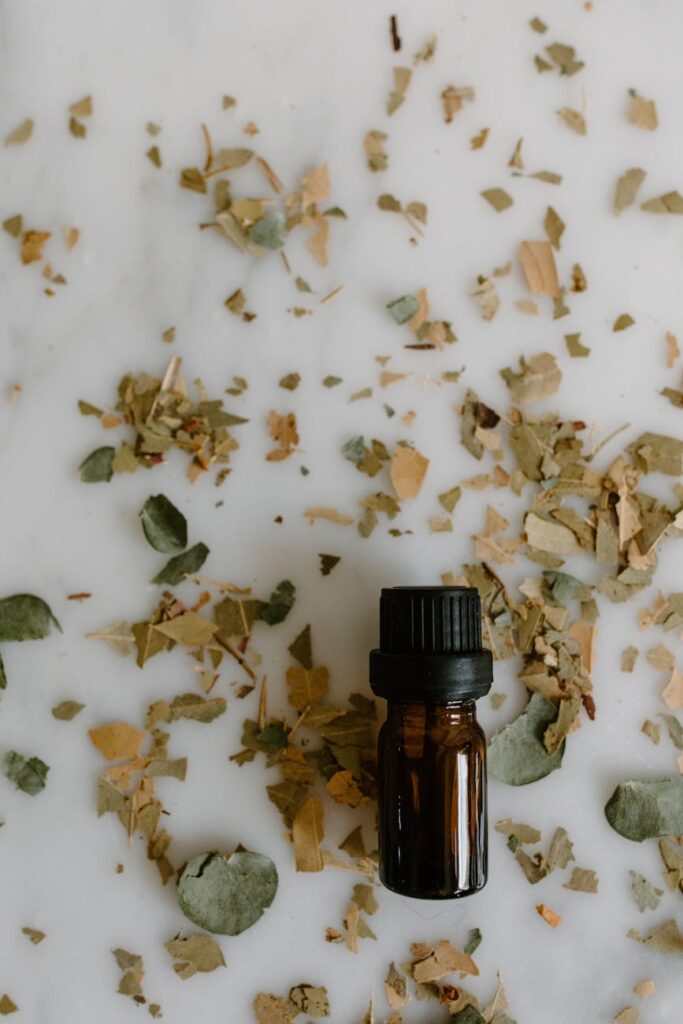
1. Dark Glass Containers: Store essential oils and blends in dark glass bottles to protect them from light, which can degrade their quality.
2. Cool, Dry Place: Keep oils in a cool, dry environment away from direct sunlight and heat sources to preserve their integrity.
3. Shelf Life: Most essential oils have a shelf life of 1-3 years, depending on the type. Citrus oils tend to have a shorter shelf life, while oils like sandalwood and patchouli can last longer.
Frequently Asked Questions
Can I use any essential oil for mood changes?
While many essential oils can positively influence mood, it is essential to choose oils that resonate with your personal preferences and needs. Research the properties of different oils to identify those that may be most beneficial for you.
How often can I use DIY aromatherapy recipes?
You can use DIY aromatherapy recipes as often as desired; however, it’s wise to take breaks and rotate blends to avoid desensitization to scents. Listen to your body and adjust usage based on your personal experiences.
Are there any essential oils I should avoid during certain seasons?
Some oils may be more suitable for particular seasons based on their properties. For example, uplifting citrus oils may be more beneficial in winter, while calming oils like lavender can help during the hustle of spring.
Can I mix different essential oils together?
Yes, blending essential oils is a common practice in DIY aromatherapy. Experiment with different combinations to find scents and properties that work best for your needs.
Where can I find high-quality essential oils?
Seek reputable suppliers who provide information about their sourcing and production methods. Look for oils that are labeled as 100% pure, therapeutic grade, and free from synthetic additives.
Conclusion
DIY aromatherapy recipes serve as a wonderful tool for managing seasonal mood changes. By harnessing the power of essential oils, individuals can create personalized blends that promote emotional well-being and support a balanced state of mind. Whether through diffusion, topical application, or bath soaks, the versatility of aromatherapy allows for a tailored approach to self-care during transitions throughout the year. Embrace the art of DIY aromatherapy and experience the uplifting and calming benefits it can bring to your seasonal journey.