
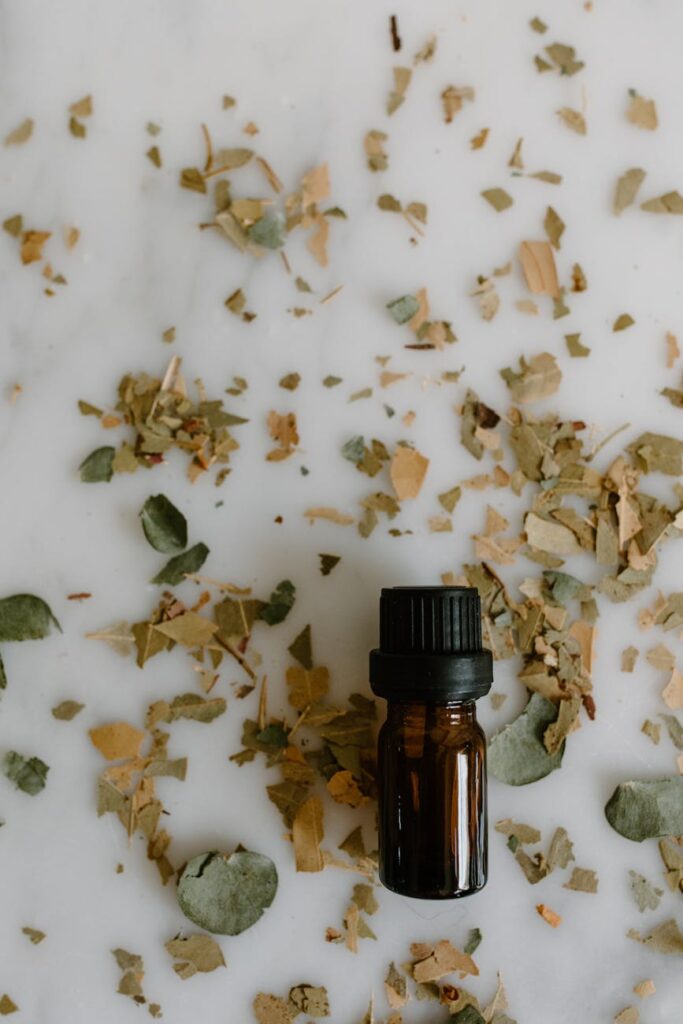
Benefits of DIY Aromatherapy Recipes for Seasonal Mood Support with Citrus Oils
Introduction
As the seasons change, so do our moods and emotional states. Many individuals experience fluctuations in their mental well-being due to varying light levels and environmental factors. Aromatherapy, particularly with citrus oils, has emerged as a popular method for enhancing mood and promoting emotional balance. This article explores the benefits of DIY aromatherapy recipes using citrus oils for seasonal mood support, providing insights into their properties, common uses, and practical applications.
What Is DIY Aromatherapy Recipes for Seasonal Mood Support with Citrus Oils?
DIY aromatherapy involves creating personalized blends of essential oils to harness their therapeutic properties. Citrus oils—extracted from the peels of fruits like oranges, lemons, limes, and grapefruits—are particularly celebrated for their uplifting and invigorating qualities. These essential oils can be combined with carrier oils or other essential oils to create bespoke blends tailored to individual needs, especially during transitional periods of the year.
Key Benefits and Properties
Citrus oils are renowned for their positive effects on mood and emotional health. Here are some of the key benefits and properties of popular citrus oils used in aromatherapy:
1. Uplifting Aroma: Citrus oils, such as sweet orange and grapefruit, possess bright, refreshing scents that can help elevate mood and counter feelings of lethargy or sadness.
2. Anxiolytic Properties: Many citrus oils, including lemon and bergamot, have been studied for their potential to reduce feelings of anxiety and stress.
3. Energizing Effects: The invigorating scent of citrus oils can stimulate the mind and body, making them ideal for combating seasonal fatigue.
4. Antioxidant Benefits: Citrus oils are rich in antioxidants, which may help combat oxidative stress, contributing to overall emotional well-being.
5. Promotes Clarity and Focus: Lemon and lime oils are often used to enhance mental clarity and concentration, making them beneficial during times of increased cognitive demand.
Common Uses
Citrus oils can be used in various ways to support mood during seasonal transitions. Some common applications include:
1. Diffusion: Adding citrus oils to a diffuser can fill a space with their uplifting scent, creating a positive atmosphere.
2. Topical Application: When diluted with a carrier oil, citrus oils can be applied to pulse points or added to massage oils for an invigorating experience.
3. Bath Blends: Incorporating citrus oils into bath products can create a refreshing bathing experience that promotes relaxation and rejuvenation.
4. Room Sprays: DIY room sprays utilizing citrus oils can help purify the air while uplifting the spirit.
5. Inhalation: Simply inhaling the scent of citrus oils directly from the bottle or from a cotton ball can provide immediate mood support.
Aromatherapy Applications
Creating DIY aromatherapy recipes with citrus oils can be a rewarding and enjoyable endeavor. Here are several recipes that can be easily prepared at home:
1. Uplifting Citrus Room Spray
Ingredients:
- 1 cup distilled water
- 1 tablespoon witch hazel or vodka
- 15 drops sweet orange essential oil
- 10 drops lemon essential oil
- 5 drops grapefruit essential oil
- 10 ml roller bottle
- 10 drops lime essential oil
- 10 drops bergamot essential oil
- 5 drops peppermint essential oil
- Carrier oil (e.g., jojoba or sweet almond oil) to fill
- 1 cup Epsom salt
- 10 drops lemon essential oil
- 10 drops sweet orange essential oil
- 5 drops lavender essential oil (for calming effect)
Instructions:
1. In a spray bottle, combine the distilled water and witch hazel or vodka.
2. Add the essential oils and shake well before each use.
3. Spray around your home to create an uplifting atmosphere.
2. Energizing Citrus Roll-On
Ingredients:
Instructions:
1. Add the essential oils to the roller bottle.
2. Fill the rest of the bottle with carrier oil.
3. Cap and shake gently. Apply to pulse points for an energizing boost.
3. Revitalizing Citrus Bath Soak
Ingredients:
Instructions:
1. In a bowl, mix the Epsom salt with the essential oils.
2. Add the mixture to a warm bath and soak for at least 20 minutes.
3. Enjoy the revitalizing effects of the citrus oils.
Safety Considerations
While citrus oils are generally safe for use, it is essential to observe certain precautions:
1. Skin Sensitivity: Citrus oils can be phototoxic, meaning they may cause skin irritation when exposed to sunlight. Avoid direct sun exposure on areas where citrus oils have been applied topically.
2. Dilution: Always dilute essential oils with a carrier oil before applying them to the skin to minimize the risk of irritation.
3. Quality: Use high-quality, pure essential oils from reputable sources to ensure you benefit from their therapeutic properties.
4. Pregnancy and Children: Consult with a qualified professional before using essential oils during pregnancy or on children, as certain oils may not be suitable.
5. Allergy Testing: Conduct a patch test before using a new essential oil to check for possible allergic reactions.
Storage and Shelf Life
Proper storage of essential oils is crucial for maintaining their quality and efficacy. Here are some guidelines:
1. Dark Glass Containers: Store citrus oils in dark glass bottles to protect them from light degradation.
2. Cool, Dry Place: Keep oils in a cool, dry environment, away from heat and humidity, which can affect their properties.
3. Shelf Life: Most citrus oils have a shelf life of about 1-2 years when stored correctly. However, it’s essential to check for any changes in scent or appearance before use.
Frequently Asked Questions
1. Can I mix different citrus oils together?
Yes, many citrus oils blend well together. Experimenting with combinations like lemon and grapefruit or orange and lime can create unique and uplifting blends.
2. How often can I use citrus oils for mood support?
The frequency of use depends on personal preference. Many people find that using citrus oils daily can help maintain an uplifting environment, while others may prefer to use them as needed.
3. Are there any citrus oils that should be avoided?
While most citrus oils are safe, avoid using oils that are known to be phototoxic, such as bergamot, unless you are certain you will not be exposed to sunlight afterward.
4. Can I use citrus oils in cooking or baking?
Some citrus oils are safe for culinary use, but it is crucial to ensure they are food-grade and specifically labeled for consumption. Always follow recommended guidelines for usage.
5. What is the best way to diffuse citrus oils?
Using an essential oil diffuser is the most effective way to disperse citrus oils into the air. Follow the manufacturer’s instructions for the best results.
Conclusion
DIY aromatherapy recipes featuring citrus oils provide a versatile and effective way to support mood during seasonal transitions. With their uplifting properties and easy applications, citrus essential oils can enhance emotional well-being, making them a valuable addition to any aromatherapy practice. By understanding the benefits, uses, and safety considerations, individuals can create personalized blends that align with their unique needs, promoting a more balanced and positive emotional state throughout the year.