
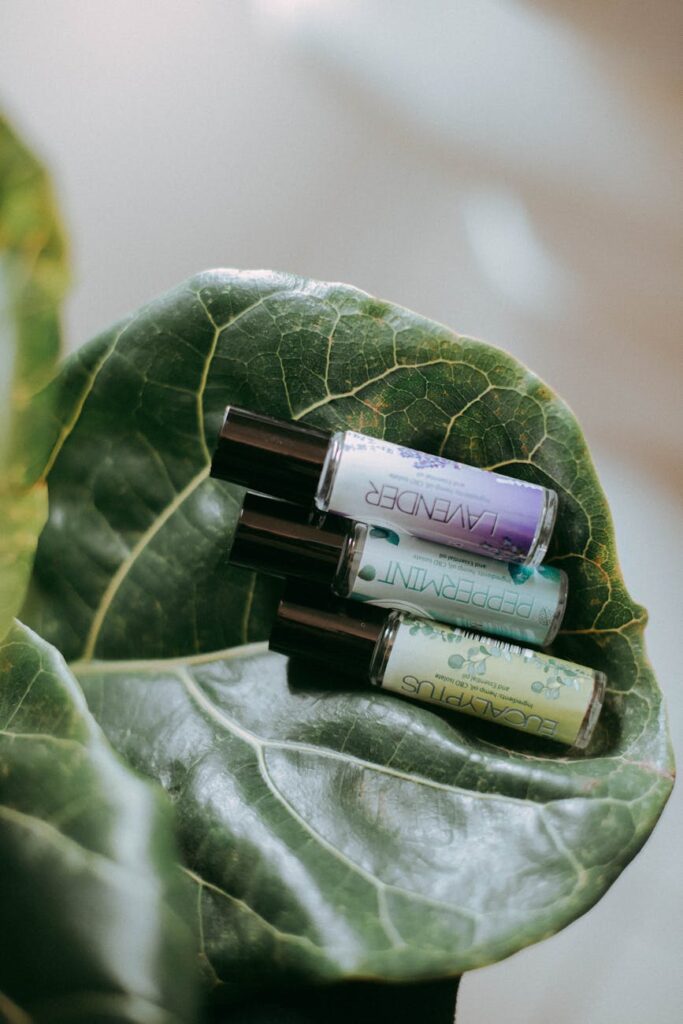
Benefits of DIY Aromatherapy Recipes for Seasonal Mood Support with Peppermint Oil
Introduction
Seasonal changes can significantly impact our mood and emotional well-being. Whether it’s the dreariness of winter, the vibrancy of spring, or the heat of summer, each season brings its own set of challenges. One effective way to counteract these fluctuations in mood is through the use of essential oils, particularly peppermint oil. This article explores the benefits of DIY aromatherapy recipes using peppermint oil for seasonal mood support, providing insights into its properties, common uses, safety considerations, and more.
What Is DIY Aromatherapy Recipes for Seasonal Mood Support with Peppermint Oil?
DIY aromatherapy involves creating your own blends and applications using essential oils to address specific needs, such as mood enhancement. Peppermint oil, derived from the leaves of the peppermint plant (Mentha × piperita), is renowned for its refreshing scent and invigorating properties. By incorporating peppermint oil into your seasonal mood support regimen, you can create personalized recipes that uplift, energize, and soothe.
The Art of DIY Aromatherapy
Creating your own aromatherapy recipes allows for customization based on personal preferences and specific emotional needs. It involves blending essential oils, carrier oils, and other natural ingredients to tailor your experience. DIY recipes can be used in various forms, including diffusers, roll-ons, sprays, and bath additives.
Key Benefits and Properties
Peppermint oil is celebrated for its numerous benefits:
1. Mood Enhancement
- The invigorating aroma of peppermint oil can stimulate the mind, promoting clarity and focus. This makes it an excellent choice for combating seasonal lethargy.
- Peppermint oil has the ability to soothe tension and anxiety. Its refreshing scent can create a calming effect, helping to ease emotional stress during transitional seasons.
- The uplifting properties of peppermint oil can invigorate the senses, making it a suitable option for those experiencing seasonal fatigue or sluggishness.
- The aroma of peppermint oil is thought to enhance cognitive performance and concentration, which can be beneficial during times of emotional upheaval.
- While not a substitute for medical treatment, peppermint oil is often used to relieve headaches and other discomforts that can accompany seasonal mood shifts.
- Combine peppermint oil with other uplifting oils, such as lemon or eucalyptus, to create an energizing atmosphere in your home.
- Create a portable mood support solution by blending peppermint oil with a carrier oil, such as sweet almond or jojoba oil. This can be applied to pulse points for on-the-go relief.
- Adding peppermint oil to a warm bath can create a refreshing and rejuvenating experience, perfect for unwinding during a challenging season.
- Craft a natural room spray with peppermint oil and distilled water to refresh your living space and elevate your mood.
- Direct inhalation of peppermint oil can provide immediate mood support. Place a few drops on a tissue and breathe in deeply, or use an essential oil inhaler.
- Incorporating peppermint oil into massage blends can enhance physical and emotional relaxation. Always dilute with a carrier oil before applying to the skin.
- Combine peppermint oil with Epsom salts for a rejuvenating bath experience. The warmth of the water can enhance the oil’s uplifting effects.
- Create your own candles infused with peppermint oil to enjoy its aroma while also providing a calming ambiance.
- Always dilute peppermint oil with a carrier oil before applying it to the skin to prevent irritation.
- Conduct a patch test before using peppermint oil topically. Apply a small diluted amount to a discreet area of skin to check for any adverse reactions.
- Pregnant and nursing individuals should consult with a healthcare professional before using peppermint oil.
- Peppermint oil is not recommended for children under the age of two. Always consult a professional for age-appropriate uses.
- Those with specific medical conditions or on medication should seek advice from a healthcare provider before using essential oils.
- Store peppermint oil in dark glass bottles to protect it from light, which can degrade its quality.
- Keep the oil in a cool, dry place away from direct sunlight and heat sources to prolong its shelf life.
- Typically, peppermint oil has a shelf life of about 1-3 years. Check for any changes in scent or consistency to determine its usability.
2. Stress Relief
3. Energy Booster
4. Mental Clarity
5. Physical Relief
Common Uses
Peppermint oil can be incorporated into various DIY recipes aimed at supporting mood during different seasons. Here are some common applications:
1. Diffuser Blends
2. Roll-Ons
3. Bath Soaks
4. Room Sprays
Aromatherapy Applications
The versatility of peppermint oil allows it to be used in various aromatherapy applications, including:
1. Inhalation
2. Massage
3. Bathing
4. DIY Candles
Safety Considerations
While peppermint oil is generally considered safe for most people, it is essential to follow safety guidelines:
1. Dilution
2. Patch Testing
3. Pregnancy and Nursing
4. Children
5. Medical Conditions
Storage and Shelf Life
Proper storage of peppermint oil is crucial for maintaining its efficacy. Here are some tips:
1. Dark Glass Containers
2. Cool, Dry Place
3. Expiration
Frequently Asked Questions
1. Can peppermint oil help with seasonal depression?
While peppermint oil is not a treatment for depression, its uplifting properties can enhance mood and provide temporary relief from feelings of sadness.
2. What other essential oils blend well with peppermint?
Peppermint oil pairs well with citrus oils like lemon and orange, as well as other invigorating scents such as eucalyptus and rosemary.
3. Can I apply peppermint oil directly to my skin?
Direct application of undiluted peppermint oil is not recommended due to the risk of skin irritation. Always dilute it with a carrier oil first.
4. How often can I use peppermint oil for mood support?
You can use peppermint oil as often as needed. However, it’s advisable to take breaks to avoid desensitization, especially when using it frequently in inhalation or topical applications.
5. Is peppermint oil safe for pets?
Peppermint oil can be toxic to pets, especially cats and dogs. It’s best to keep essential oils out of reach of animals and consult a veterinarian for pet-safe alternatives.
Conclusion
DIY aromatherapy recipes using peppermint oil offer an accessible and enjoyable way to support seasonal mood fluctuations. By understanding the properties, benefits, and applications of peppermint oil, individuals can create tailored blends that resonate with their emotional needs. As always, safety considerations should be a priority, ensuring a positive and enriching experience with essential oils. Whether you are seeking to invigorate your spirit or unwind after a long day, peppermint oil can serve as a potent ally in your seasonal wellness journey.