
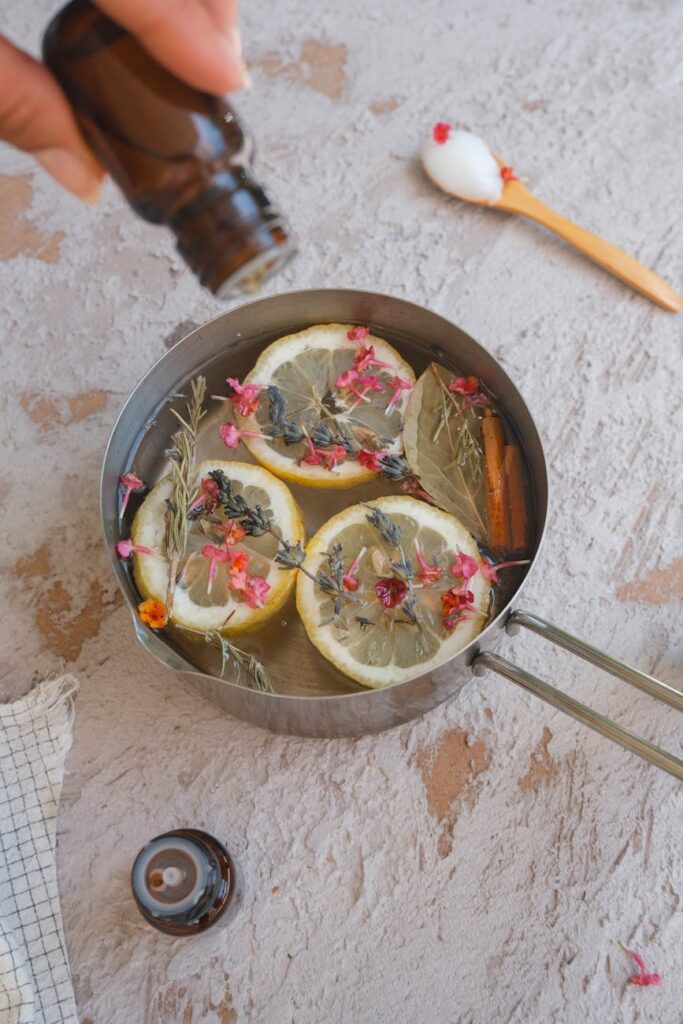
Benefits of DIY Aromatherapy Recipes for Seasonal Mood Support with Spice Oils
Introduction
As the seasons change, so too can our moods and emotional well-being. The transition from the vibrant energy of summer to the quiet introspection of winter often brings with it a need for support and balance. Aromatherapy, particularly through the use of spice oils, offers a natural and holistic approach to enhancing mood and promoting emotional stability. This article explores the benefits of DIY aromatherapy recipes that utilize spice oils specifically for seasonal mood support, providing a comprehensive guide to their applications, safety, and effectiveness.
What Is DIY Aromatherapy Recipes for Seasonal Mood Support with Spice Oils?
DIY aromatherapy involves creating your own essential oil blends and applications tailored to specific needs and preferences. Spice oils—derived from aromatic plants like cinnamon, clove, ginger, and nutmeg—are known for their warm, comforting scents and unique properties. These oils can be blended into various recipes to create personal aromatherapy experiences aimed at supporting mood during seasonal transitions.
By incorporating spice oils into your aromatherapy routine, you can harness their unique properties to foster emotional resilience and create an environment conducive to well-being. Using DIY recipes allows individuals to customize blends to suit personal preferences, making the experience more engaging and effective.
Key Benefits and Properties
Spice oils possess numerous benefits that contribute to their effectiveness in mood support:
1. Warmth and Comfort: The rich, warm scents of spice oils can evoke feelings of comfort and safety, often associated with cozy settings. This emotional response can be particularly beneficial during colder months or times of heightened stress.
2. Invigoration: Certain spice oils, such as ginger and black pepper, are known for their invigorating properties, providing a boost of energy and mental clarity when fatigue sets in during darker months.
3. Uplifting Effects: Oils like cinnamon and clove have been traditionally used to uplift mood and promote a sense of joy, counteracting feelings of sadness or lethargy that can accompany seasonal changes.
4. Stress Relief: Many spice oils have calming properties that can help alleviate stress and anxiety, making them valuable tools for emotional regulation during challenging times.
5. Antioxidant Properties: Some spice oils contain antioxidants, which can support overall well-being and resilience against seasonal illnesses, indirectly impacting mood positively.
Common Uses
DIY aromatherapy recipes utilizing spice oils can be employed in various contexts, including:
- Diffusion: Using a diffuser to disperse the aroma of spice oils throughout a room can create a warm, inviting atmosphere, ideal for relaxation and social gatherings.
- Topical Application: Blending spice oils with a carrier oil for massage or localized application can promote relaxation and uplift mood through skin absorption.
- Bath Products: Adding spice oils to bath products can enhance the bathing experience, providing a soothing and aromatic escape.
- Inhalation: Direct inhalation of spice oils from a bottle or through steam inhalation can offer immediate mood support.
- Room Sprays: Creating a room spray with spice oils can refresh living spaces while providing aromatic benefits.
- 3 drops of ginger essential oil
- 3 drops of cinnamon essential oil
- 2 drops of black pepper essential oil
- 2 tablespoons of sweet almond oil (carrier oil)
- 4 drops of clove essential oil
- 4 drops of nutmeg essential oil
- 3 drops of orange essential oil
- 5 drops of lavender essential oil
- 3 drops of cinnamon essential oil
- 1 cup of Epsom salt
- Dilution: Always dilute essential oils with a carrier oil before applying them to the skin to avoid irritation or allergic reactions.
- Skin Sensitivity: Conduct a patch test by applying a small amount of the diluted oil to a discreet area of skin to check for any adverse reactions.
- Pregnancy and Nursing: Consult with a healthcare professional before using essential oils if you are pregnant or nursing.
- Children and Pets: Certain essential oils may not be suitable for use around children or pets. Always research specific oils and consult guidelines before use.
- Quality of Oils: Use only high-quality, pure essential oils from reputable sources to ensure safety and efficacy.
- Storage Conditions: Keep essential oils in a cool, dark place, preferably in amber or cobalt blue glass bottles to protect them from light and heat.
- Shelf Life: Essential oils typically have a shelf life of 1 to 5 years, depending on the type. Spice oils may have a shorter shelf life, so it is important to check for any changes in scent or consistency before use.
Aromatherapy Applications
Creating DIY aromatherapy recipes with spice oils can be simple and enjoyable. Below are a few popular recipes tailored for seasonal mood support:
Invigorating Spice Blend
Ingredients:
Instructions:
1. In a small bottle, combine the essential oils with the carrier oil.
2. Shake gently to blend.
3. Use as a massage oil for a soothing experience or apply to pulse points for an invigorating effect.
Cozy Autumn Diffuser Blend
Ingredients:
Instructions:
1. Add the essential oils to a diffuser filled with water according to the manufacturer’s instructions.
2. Diffuse during moments of relaxation, study, or while enjoying warm beverages.
Relaxing Bath Soak
Ingredients:
Instructions:
1. In a bowl, mix the essential oils with Epsom salt.
2. Add to warm bath water for a soothing soak that promotes relaxation and comfort.
Safety Considerations
While spice oils can provide numerous benefits, it is essential to practice safety when using them:
Storage and Shelf Life
Proper storage of essential oils is essential for maintaining their integrity and effectiveness:
Frequently Asked Questions
1. Can I mix spice oils with other types of essential oils?
Yes, spice oils can be effectively blended with other essential oils. Consider complementary scents such as citrus, floral, or woodsy oils to enhance the aromatic experience.
2. Are spice oils safe for everyday use?
When diluted properly and used according to guidelines, spice oils can be safe for everyday use. However, it is essential to listen to your body and discontinue use if any adverse reactions occur.
3. How can I incorporate spice oils into my daily routine?
You can incorporate spice oils into your daily routine through various methods, such as using a diffuser, applying them during massage, or adding them to baths. Experiment with different recipes to find what works best for you.
4. Are there specific spice oils recommended for certain seasons?
While spice oils are generally beneficial year-round, oils like cinnamon and clove are particularly popular during the fall and winter months for their warm, comforting properties. Conversely, ginger can be invigorating and refreshing in spring and summer.
5. Can I use spice oils for emotional support during the holidays?
Absolutely. Spice oils can create a warm, inviting atmosphere that supports emotional well-being during the often hectic holiday season. Consider using them in diffusers, room sprays, or as part of self-care routines.
Conclusion
DIY aromatherapy recipes utilizing spice oils offer a unique and natural way to support mood and emotional well-being throughout seasonal transitions. By harnessing the comforting and invigorating properties of these oils, individuals can create personalized experiences that enhance their quality of life. Through thoughtful application, safety considerations, and creative exploration, spice oils can become valuable allies in nurturing emotional resilience and fostering a sense of harmony during changing seasons.