
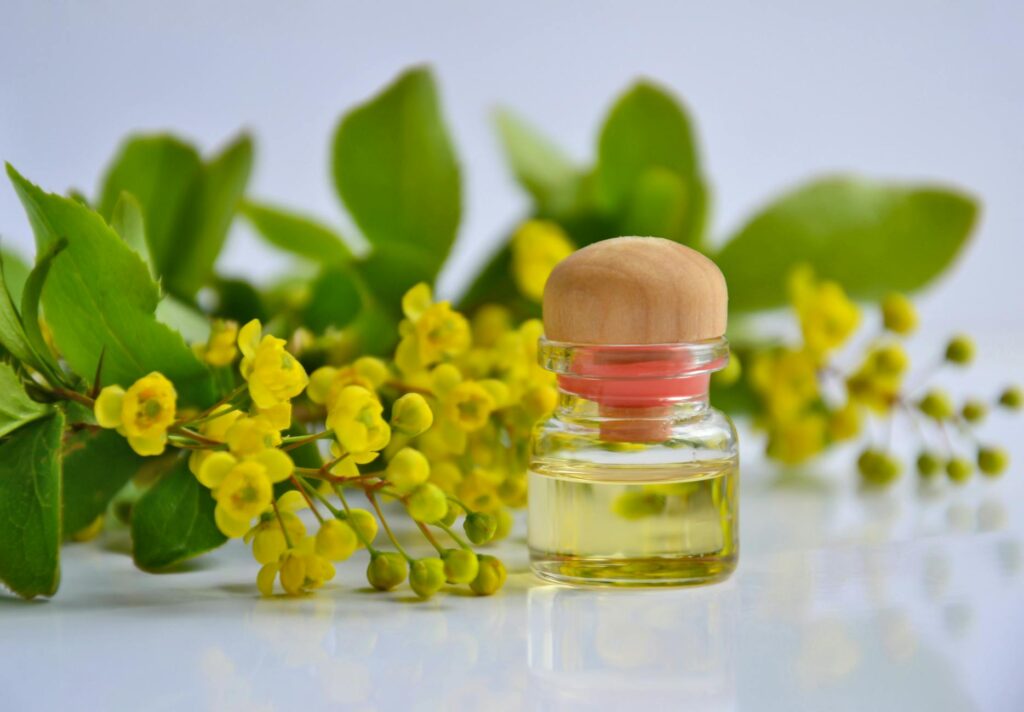
Benefits of DIY Aromatherapy Recipes for Seasonal Skin Hydration
Introduction
As the seasons change, so too do the needs of our skin. The transition from summer’s heat to winter’s chill can leave skin feeling dry, irritated, and in need of nourishment. DIY aromatherapy recipes offer a holistic approach to skincare that harnesses the power of essential oils and natural ingredients. This article explores the benefits of creating your own aromatherapy blends aimed at hydrating and rejuvenating skin throughout the year.
What Is DIY Aromatherapy Recipes for Seasonal Skin Hydration?
DIY aromatherapy recipes for seasonal skin hydration involve the use of essential oils and other natural ingredients to create customized skincare formulations. These recipes can take the form of oils, creams, balms, or sprays, each designed to provide hydration and nourishment to the skin while also delivering the therapeutic properties of essential oils. The beauty of DIY aromatherapy lies in its adaptability; individuals can tailor their recipes to address specific skin concerns and preferences.
Key Benefits and Properties
1. Natural Ingredients
DIY aromatherapy recipes often use natural ingredients, reducing exposure to synthetic chemicals commonly found in commercial skincare products. This can be particularly beneficial for those with sensitive skin.
2. Personalization
Creating your own recipes allows for customization based on individual skin types and seasonal needs. Ingredients can be adjusted to target specific issues such as dryness, irritation, or uneven skin tone.
3. Cost-Effectiveness
Making skincare products at home can be more economical than purchasing high-end commercial products. With a few essential oils and carrier oils, one can create multiple recipes for a fraction of the cost.
4. Therapeutic Benefits
Essential oils are known for their various therapeutic properties, including anti-inflammatory, antibacterial, and antioxidant effects. Incorporating these oils into your skincare routine can provide additional benefits beyond basic hydration.
5. Mindfulness and Creativity
The process of making your own skincare products can be a therapeutic and creative outlet. Engaging in this practice encourages mindfulness and a deeper connection to the ingredients used.
Common Uses
1. Moisturizing Oils
A blend of carrier oils such as jojoba or sweet almond oil can be infused with essential oils like lavender or chamomile to create a hydrating facial oil.
2. Body Butters
Combining shea butter or cocoa butter with essential oils can yield a rich body butter ideal for combating dry skin during colder months.
3. Hydrating Sprays
A simple facial mist can be made with distilled water, aloe vera gel, and a few drops of essential oils like rose or geranium for a refreshing boost of hydration.
4. Lip Balms
DIY lip balms made with beeswax and essential oils like peppermint or tea tree can help maintain lip hydration and softness.
5. Bath Soaks
Epsom salts infused with essential oils such as eucalyptus or frankincense can provide a soothing, hydrating bath experience, benefiting both skin and mind.
Aromatherapy Applications
1. Topical Application
Many DIY recipes involve directly applying the product to the skin. It is advisable to perform a patch test on a small area before full use to check for any allergic reactions.
2. Inhalation
Inhalation of essential oils can also be integrated into the skincare routine. Adding a few drops of essential oil to a diffuser while applying a skincare product can enhance the overall experience.
3. Bathing
Incorporating aromatherapy into bathing rituals can enhance relaxation and hydration. Adding essential oils to bathwater can create a soothing atmosphere while benefiting the skin.
4. Massage
Using DIY aromatherapy oils in massage can not only aid in hydration but also promote relaxation and stress relief, enhancing the overall skincare experience.
Safety Considerations
1. Dilution
Essential oils are highly concentrated and should always be diluted with a carrier oil, especially when applying them to the skin. A general guideline is to use a 1-2% dilution for topical applications, which translates to 1-2 drops of essential oil per teaspoon of carrier oil.
2. Allergies and Sensitivities
Individuals should be aware of any known allergies or sensitivities to specific essential oils or ingredients. Always conduct a patch test before using a new product extensively.
3. Pregnancy and Nursing
Certain essential oils are not recommended for use during pregnancy or nursing. It is advisable to consult reliable resources or experts before using any new ingredients in these circumstances.
4. Storage
Proper storage of essential oils and DIY recipes is crucial to maintain their efficacy and safety. Keep products in dark glass containers away from direct sunlight and heat.
Storage and Shelf Life
1. Dark Glass Containers
Using dark glass containers for storage helps protect essential oils from light, which can degrade their quality. Amber or cobalt blue glass is often recommended.
2. Cool, Dry Place
Store your DIY products in a cool, dry place to prolong their shelf life. Avoid areas with high humidity, such as bathrooms, as moisture can promote microbial growth.
3. Labeling
Label your DIY products with the date of creation and ingredients used. This practice helps track their freshness and ensures safe usage.
4. Shelf Life
The shelf life of your DIY aromatherapy products depends on the ingredients used. Typically, products made with carrier oils have a shelf life of 6 to 12 months, while those containing essential oils may last even longer if stored properly.
Frequently Asked Questions
1. Can I use any essential oil in my DIY recipes?
While many essential oils are safe for topical use, some can cause irritation or allergic reactions. Research each oil and its properties before incorporating it into your recipes.
2. How can I determine my skin type to choose the right ingredients?
Understanding your skin type—whether oily, dry, combination, or sensitive—will guide you in selecting appropriate carrier oils and essential oils. Consult reliable resources for guidance on skin types.
3. Are there any essential oils that should be avoided during pregnancy?
Certain essential oils, such as rosemary and sage, should be avoided during pregnancy. Always consult a knowledgeable resource or expert about safe options.
4. How do I know if my DIY product has gone bad?
Signs that a product may have gone bad include off smells, changes in texture, or discoloration. If you notice any of these signs, it is best to discard the product.
5. Can I modify existing recipes to suit my preferences?
Absolutely! One of the main advantages of DIY aromatherapy is the ability to customize recipes. Feel free to experiment with different essential oils, carrier oils, and other natural ingredients to create a unique formulation.
Conclusion
DIY aromatherapy recipes for seasonal skin hydration offer a natural, personalized approach to skincare. By combining the therapeutic properties of essential oils with nourishing ingredients, one can create effective and enjoyable products tailored to individual needs. Embracing this creative process not only enhances skin health but also promotes mindfulness and well-being. As you explore the world of DIY aromatherapy, remember to prioritize safety and enjoy the journey of crafting your own skincare solutions.