
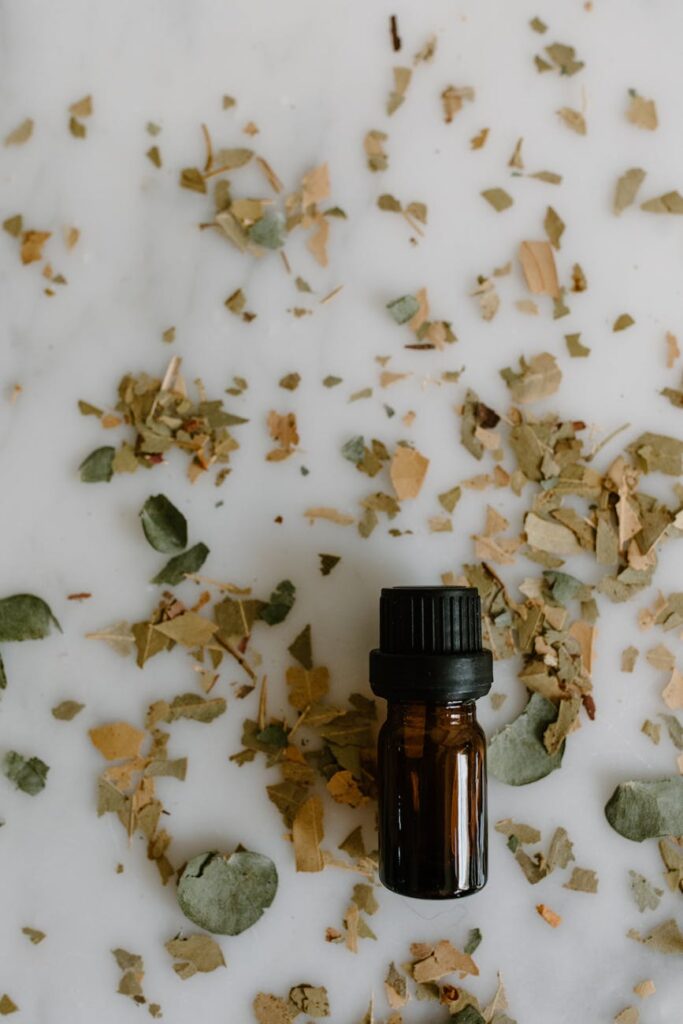
Benefits of DIY Aromatherapy Recipes for Sleep Support with Valerian Root Oil
Introduction
In an increasingly fast-paced world, achieving restful sleep has become a significant challenge for many individuals. As people seek natural alternatives to support their sleep quality, aromatherapy has gained attention for its potential benefits. One of the most noted essential oils in this realm is Valerian root oil, derived from the Valeriana officinalis plant. This article explores the benefits of DIY aromatherapy recipes for sleep support using Valerian root oil, providing insights into its properties, common uses, and practical applications.
What Is DIY Aromatherapy Recipes for Sleep Support with Valerian Root Oil?
DIY aromatherapy recipes involve creating personalized blends using essential oils to enhance well-being. When combined with other supportive ingredients, Valerian root oil can serve as a powerful ally in promoting restful sleep. Traditionally used in herbal medicine, Valerian root is known for its calming effects, particularly in addressing insomnia and anxiety.
Valerian root oil is typically extracted through steam distillation or solvent extraction, retaining the plant’s natural constituents that contribute to its soothing properties. The oil is characterized by a strong, earthy aroma, which can be effectively blended with other essential oils to create a harmonious scent profile.
Key Benefits and Properties
Valerian root oil boasts several beneficial properties that contribute to its reputation as a sleep aid:
1. Sedative Effects: Valerian root has been traditionally recognized for its sedative properties, which may help in promoting relaxation and aiding sleep onset.
2. Anxiolytic Qualities: The oil may assist in reducing anxiety, leading to a calmer state of mind conducive to sleep.
3. Muscle Relaxation: Valerian root oil can help relieve muscle tension, contributing to physical relaxation, which is essential for a restful night’s sleep.
4. Hormonal Balance: Some studies suggest that Valerian may support the balance of neurotransmitters in the brain, potentially helping to regulate sleep patterns.
5. Anti-inflammatory Properties: Valerian root oil may possess anti-inflammatory effects, which can alleviate discomfort that interrupts sleep.
These properties make Valerian root oil a popular choice in DIY aromatherapy recipes aimed at enhancing sleep quality.
Common Uses
Valerian root oil is often used in various formulations, including:
- Sleep Sprays: Blended with water and other calming oils, these sprays can be used on pillows or bed linens to create a soothing sleep environment.
- Massage Oils: Combined with carrier oils, Valerian root oil can be used in massage blends to relieve tension and promote relaxation.
- Bath Blends: Adding a few drops of Valerian root oil to bathwater can create a tranquil atmosphere, promoting relaxation before bedtime.
- Diffusers: Utilizing a diffuser to disperse Valerian root oil in the air can enhance the soothing ambiance of a bedroom.
- 2-3 drops of Valerian root oil
- 2-3 drops of Lavender essential oil
- 1 cup of distilled water
- 5 drops of Valerian root oil
- 5 drops of Chamomile essential oil
- 1 cup of Epsom salt
- 2 drops of Valerian root oil
- 2 drops of Bergamot essential oil
- 2 tablespoons of carrier oil (e.g., sweet almond or jojoba oil)
- 3 drops of Valerian root oil
- 3 drops of Clary Sage essential oil
- Water (as per diffuser instructions)
- Dilution: Always dilute essential oils with a carrier oil before topical application to avoid skin irritation.
- Patch Test: Conduct a patch test prior to full use to check for allergic reactions.
- Pregnancy and Nursing: Pregnant or nursing individuals should consult a healthcare professional before using Valerian root oil.
- Medication Interactions: Those on prescription medications, particularly sedatives or anti-anxiety medications, should exercise caution and consult a healthcare provider to avoid potential interactions.
- Children: Essential oils should be used with caution in children, and consultation with a pediatrician is advisable.
- Storage: Store the oil in a cool, dark place away from direct sunlight and heat sources. A dark glass container is ideal for protecting essential oils from light degradation.
- Shelf Life: Generally, Valerian root oil has a shelf life of 1-3 years when stored properly. Always check for any changes in scent or consistency before use, as these may indicate the oil has gone bad.
Aromatherapy Applications
Incorporating Valerian root oil into DIY aromatherapy recipes can be done in various ways, allowing for customization based on individual preferences. Here are a few applications:
1. Sleep-Inducing Pillow Spray
Ingredients:
Instructions:
1. Combine the essential oils with distilled water in a spray bottle.
2. Shake well before each use.
3. Lightly mist your pillow and bedding before sleep.
2. Relaxing Bath Blend
Ingredients:
Instructions:
1. Mix the essential oils with Epsom salt.
2. Add the mixture to warm bathwater.
3. Soak for at least 20 minutes to enjoy the calming effects.
3. Calming Massage Oil
Ingredients:
Instructions:
1. Blend the essential oils with the carrier oil in a small bowl or bottle.
2. Use the mixture to massage tense areas of the body before bedtime.
4. Diffuser Blend
Ingredients:
Instructions:
1. Add the essential oils to the water in the diffuser.
2. Turn on the diffuser about 30 minutes before bedtime to create a calming atmosphere.
Safety Considerations
While Valerian root oil is generally considered safe for most individuals, it is important to adhere to certain safety guidelines:
Storage and Shelf Life
To maintain the integrity of Valerian root oil and its beneficial properties, proper storage is essential:
Frequently Asked Questions
1. Can Valerian root oil be used alone, or should it be blended with other oils?
While Valerian root oil can be used on its own, blending it with complementary essential oils such as Lavender, Bergamot, or Chamomile can enhance its calming effects and create a more pleasant aroma.
2. How often can I use Valerian root oil for sleep support?
Valerian root oil can be used nightly as part of a bedtime routine. However, it is advisable to listen to your body and adjust usage according to personal comfort and response.
3. Are there any side effects associated with Valerian root oil?
Some individuals may experience mild side effects such as dizziness or gastrointestinal discomfort. If any adverse reactions occur, discontinue use and consult a healthcare professional.
4. Can I use Valerian root oil in a diffuser during the day?
While Valerian root oil is primarily used for sleep support, using it during the day in a diffuser can create a calming atmosphere, particularly in high-stress environments. However, it is advisable to balance its use with energizing oils to avoid excessive drowsiness.
5. Is Valerian root oil safe for pets?
Essential oils can be toxic to pets, particularly cats and dogs. It is crucial to consult a veterinarian before using essential oils, including Valerian root oil, in a household with pets.
Conclusion
DIY aromatherapy recipes utilizing Valerian root oil can be a valuable addition to your sleep support toolkit. Its calming properties, when combined with other gentle essential oils, can create a serene environment conducive to restful sleep. As with any natural remedy, it is essential to understand the properties of the oil, practice safety precautions, and tailor your approach to suit your individual needs. By embracing the art of DIY aromatherapy, you can cultivate a peaceful nighttime routine that enhances your overall well-being.